
What's Happening?
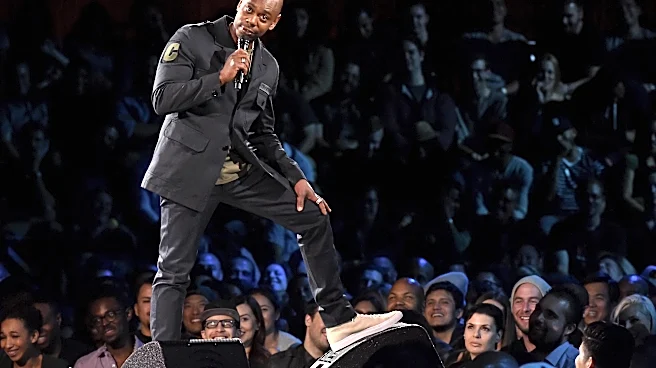
Comedian Dave Chappelle has sparked controversy with jokes made during his recent Madison Square Garden performances, appearing to mock the death of conservative figure Charlie Kirk. Multiple recordings circulated on X show Chappelle stating, "I feel
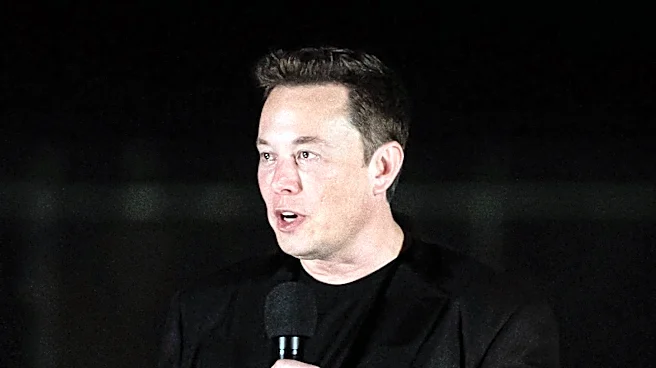
f**ked up saying this... ever since that guy Charlie Kirk got murdered — and I shouldn't say this publicly, but — I feel better." He continued, "I know I shouldn't say that, but it's just a feeling. I just be driving around, like, 'Why am I in such a good mood?'" In another clip, Chappelle suggested Kirk, who was shot and killed at a Turning Point USA event in September, was in hell. Despite Chappelle's strict no-phones policy at his shows, these clips emerged, leading to swift condemnation from conservative commentators. Kirk's widow, Erika Kirk, publicly decried comedians joking about her husband's death as "beyond disgusting," and Elon Musk commented that Chappelle was "just not funny anymore." This incident marks a shift for Chappelle, who has previously faced criticism from the left for jokes about gay and trans people, now directing his provocations towards conservatives.
Why It's Important?
This incident highlights the evolving landscape of comedic boundaries and public discourse in the U.S., particularly concerning political figures and sensitive topics like death. Chappelle's decision to target conservatives, a group he previously seemed to align with in his critiques of 'oversensitive' audiences, indicates a potential shift in his comedic focus and audience engagement. The strong negative reactions from conservative figures and media outlets underscore the deep partisan divisions that permeate even entertainment. The controversy also brings into question the role of comedians in processing public tragedies and political tensions, and where the line between satire and insensitivity lies. The swift condemnation from conservative figures and the public nature of the criticism reflect the heightened scrutiny public figures face in the digital age, where content can rapidly spread and elicit widespread reactions, impacting reputations and public perception.
What's Next?
The immediate aftermath will likely involve continued debate across media platforms regarding the appropriateness of Chappelle's jokes and the broader implications for comedic freedom versus public sensitivity. Chappelle himself has not yet responded to requests for comment, and his silence or any future statement could further shape the narrative. The incident may influence how other comedians approach politically charged material, potentially leading to more cautious or more provocative content depending on their audience and artistic intent. This event could also reignite discussions about 'cancel culture' from both conservative and liberal perspectives, as different groups weigh in on whether Chappelle's comments warrant professional repercussions or are protected under free speech. The ongoing public discussion will likely continue to reflect the polarized nature of American society.
Beyond the Headlines
This controversy delves into deeper ethical and cultural dimensions surrounding humor, grief, and political polarization. Ethically, it raises questions about the responsibility of public figures, particularly comedians, when addressing sensitive topics like death, especially when the deceased is a figure associated with political division. Culturally, it reflects a broader societal struggle to navigate differing values and sensitivities in a highly fragmented media environment. The shift in Chappelle's targets from the left to the right suggests a potential long-term trend where comedians may increasingly find themselves challenging various ideological camps, rather than consistently aligning with one. This could lead to a more complex and unpredictable comedic landscape, where traditional audience expectations are subverted, and the boundaries of acceptable humor are constantly tested and redefined in the public sphere.