



What's Happening?
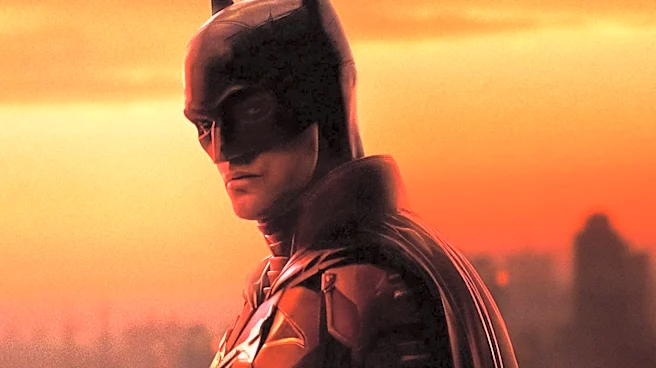
Delays in the production of 'The Batman: Part II' have reportedly released actor Robert Pattinson from his contractual obligation to star in a third film in the series. The sequel, initially anticipated sooner, is now scheduled for release in February
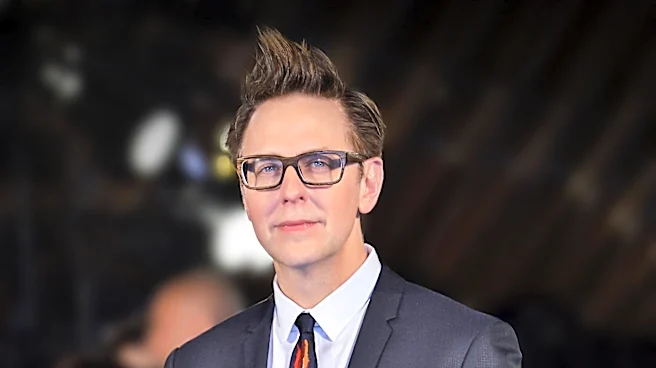
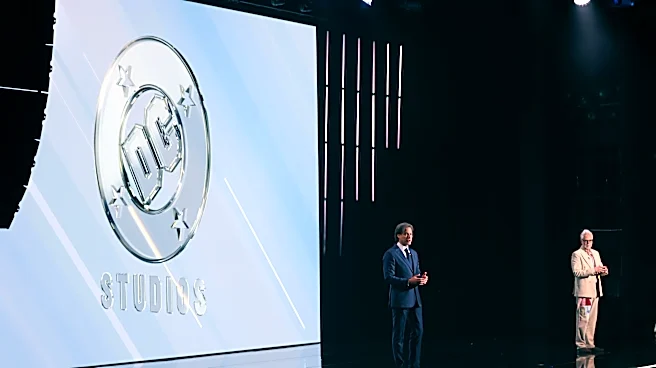
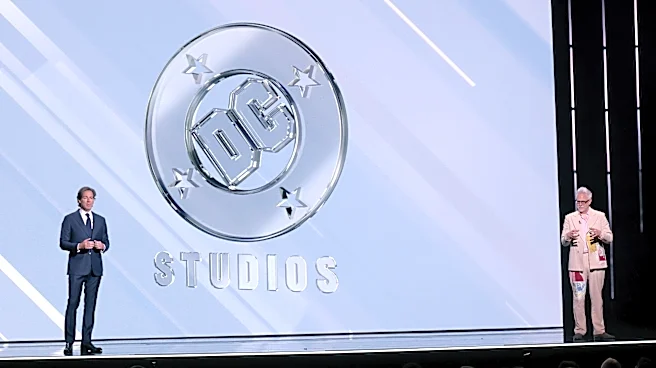
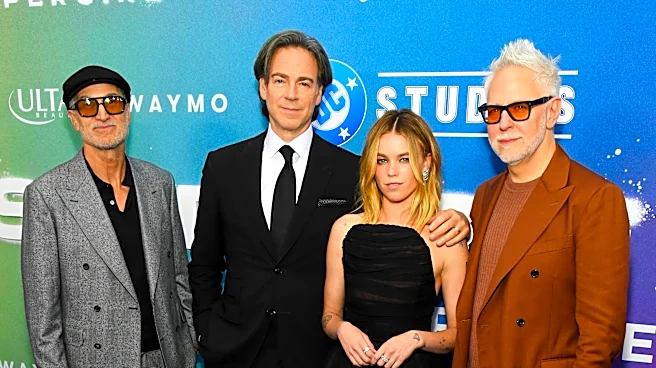
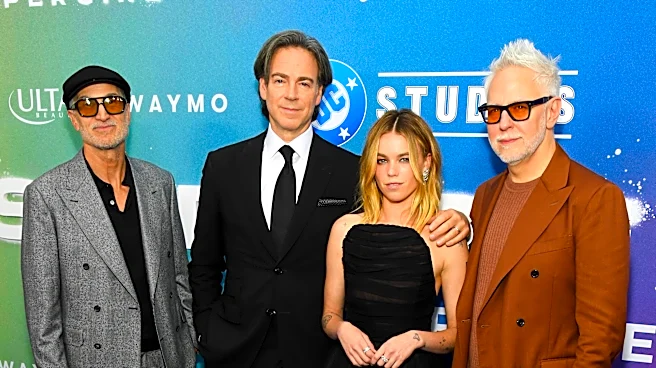
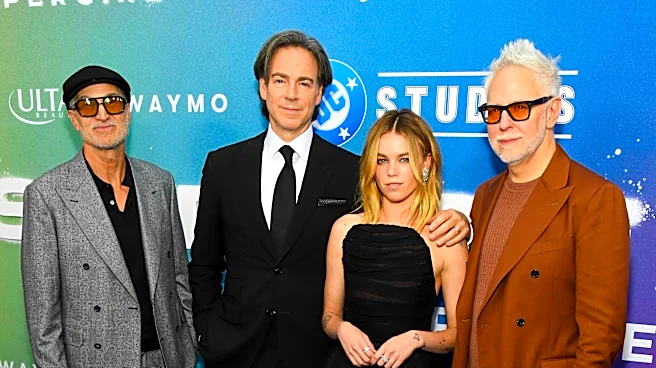
2028, nearly six years after the first installment. This extended timeline has created uncertainty regarding Pattinson's future involvement in a potential third Batman movie. While he could still agree to a new deal, Warner Bros. will need to actively persuade him to continue in the role. The first film, released four years ago, garnered critical acclaim and grossed over $770 million worldwide, suggesting a promising trilogy. However, significant changes have occurred since then, including Matt Reeves stepping away from directing the remainder of the sequel's principal photography due to a family matter, with Steven Soderbergh taking over. Reeves, however, remains committed to the project. Additionally, a change in leadership at DC Studios, following Warner Bros.' takeover by David Ellison's Skydance, has seen James Gunn and Peter Safran depart, with Jeremy Latcham, a former Marvel executive, now in charge.
Why It's Important?
This development is significant for the future of the DC Extended Universe and the 'Batman' franchise. The potential departure of Robert Pattinson could force Warner Bros. to re-evaluate its strategy for one of its most popular characters. The studio's new leadership, under Jeremy Latcham, aims to accelerate the DC superhero universe, which might conflict with maintaining separate, standalone Batman films alongside a new, non-Pattinson Batman envisioned for 'The Brave and the Bold.' This situation highlights the challenges studios face in balancing interconnected cinematic universes with successful standalone projects. Losing Pattinson, whose portrayal was widely praised, could diminish the momentum of the 'The Batman' series and potentially impact box office performance for future installments. The decision to pursue a new contract with Pattinson or recast the role will have considerable financial and creative implications for Warner Bros. and the broader DC franchise, affecting fan engagement and critical reception.
What's Next?
Warner Bros. will likely engage in negotiations with Robert Pattinson to secure his return for a third 'Batman' film, given the success of the first installment. The studio's new management at DC Studios will need to decide whether to prioritize a unified DC universe with a single Batman or continue supporting Matt Reeves' standalone vision, potentially with a new actor if Pattinson declines. The extended delay until 2028 for 'The Batman: Part II' provides a lengthy period for these strategic decisions to be made. The performance of the upcoming sequel will also heavily influence future plans for the franchise. Stakeholders, including fans and investors, will be closely watching how Warner Bros. navigates these creative and contractual challenges, especially as the studio aims to revitalize its superhero properties and compete with other major cinematic universes.
Beyond the Headlines
The situation surrounding Robert Pattinson's contract and the 'Batman' franchise reflects a broader trend in Hollywood where actors are increasingly seeking flexibility in their commitments, especially for demanding, multi-film roles. The possibility of Pattinson taking on another iconic role, such as James Bond, further complicates his availability and willingness to commit to a long-term superhero franchise. This scenario also underscores the tension between artistic vision (Matt Reeves's standalone 'Batman' films) and corporate strategy (DC Studios' desire for a cohesive, interconnected universe). The decision to potentially sacrifice a critically acclaimed, distinctive franchise for the sake of broader universe consistency raises questions about creative freedom versus commercial synergy in modern blockbuster filmmaking. The outcome could set a precedent for how studios manage talent and intellectual property in an era dominated by shared cinematic universes.