






What's Happening?
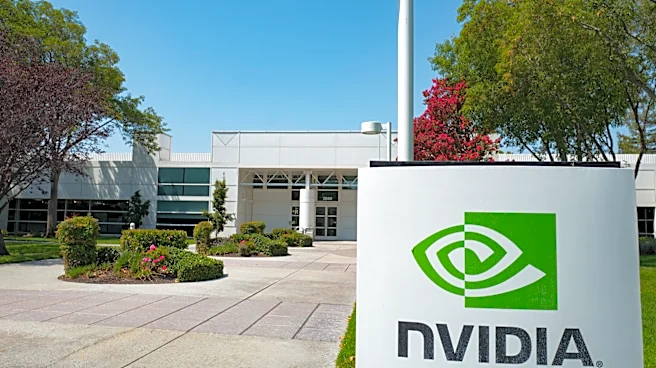
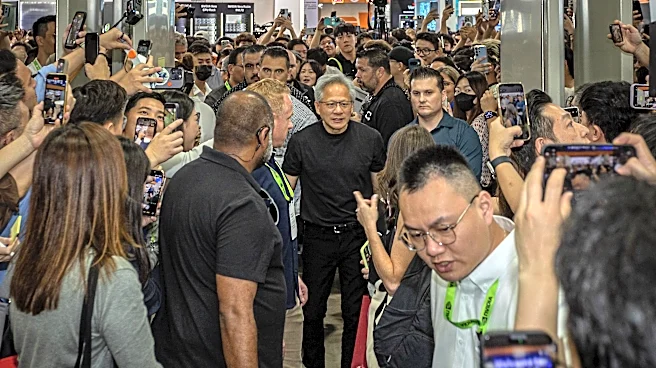
Nvidia CEO Jensen Huang has been reinstated to his position after an 11-day absence, receiving an emotional welcome from employees at the company's Santa Clara headquarters. His return follows an extraordinary reversal by Nvidia's board, which had accepted
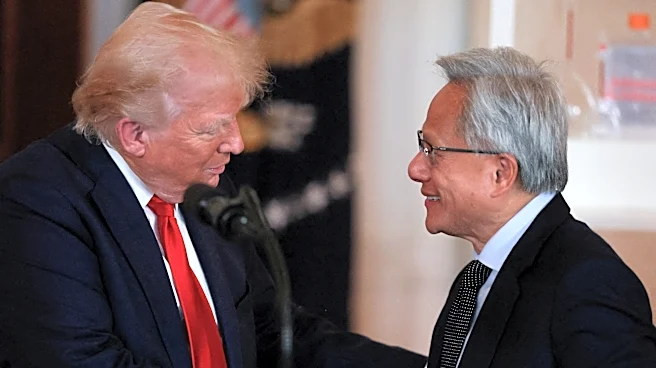
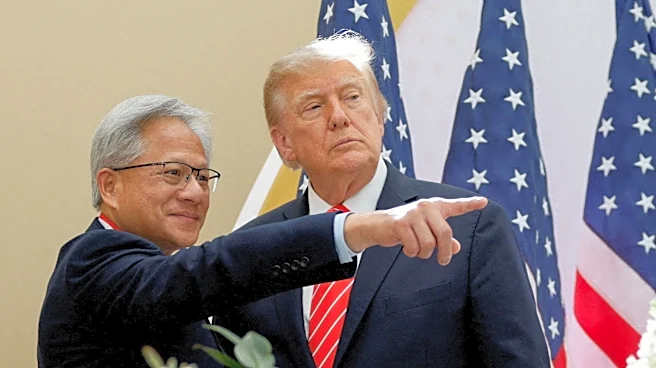
his resignation on November 12. President Trump played a key role in this development, stating he spoke with the board and secured an agreement for Huang's return, describing him as a 'national treasure.' The administration concluded there was no national security risk associated with Huang's reinstatement. Huang had stepped down following reports of extramarital relationships, including one with a subordinate and another with Alice Huang, a Chinese national allegedly linked to Chinese intelligence. These allegations triggered scrutiny over potential national security implications and China's access to advanced AI chips. Despite his return, Huang is scheduled to testify before the US Senate Banking Committee on December 3 to address these concerns.
Why It's Important?
The reinstatement of Jensen Huang is significant due to Nvidia's critical role in the advanced artificial intelligence chip market, a sector with substantial national security implications for the United States. Concerns raised by US lawmakers from both parties highlight the ongoing tension between technological leadership and national security, particularly regarding China's access to advanced AI capabilities. The involvement of President Trump underscores the high-level political interest in the leadership of key technology companies. The scrutiny surrounding Huang's personal conduct and alleged ties to a Chinese national raises questions about corporate governance, executive oversight, and the potential for foreign influence within critical US technology firms. The situation also brings into focus the balance between corporate autonomy and government intervention in matters deemed vital to national interest.
What's Next?
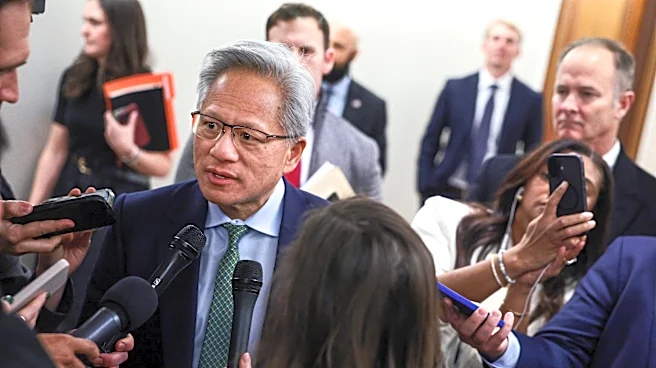
Jensen Huang is scheduled to testify before the US Senate Banking Committee on December 3. This hearing will likely focus on the allegations that led to his temporary resignation, Nvidia's compliance with export controls, and broader national security concerns related to China's access to advanced AI chips. Lawmakers are expected to press Huang on the specifics of the allegations and the company's measures to safeguard sensitive technology. The outcome of this testimony could influence future regulatory actions concerning Nvidia and other US technology companies operating in sensitive sectors. Additionally, the scrutiny over Huang's leadership style, as detailed in reports of him berating executives, may continue to be a point of internal and external discussion, potentially impacting corporate culture and investor confidence.
Beyond the Headlines
The controversy surrounding Jensen Huang's resignation and reinstatement highlights deeper issues concerning the intersection of personal conduct, corporate leadership, and national security in the technology sector. The allegations of extramarital affairs, particularly one involving an individual with alleged ties to Chinese intelligence, underscore the vulnerabilities that can arise when key executives of strategic companies are involved in such situations. This incident could prompt a re-evaluation of vetting processes for top executives in critical industries and lead to increased calls for transparency regarding potential conflicts of interest or foreign influence. Furthermore, the reported difficult workplace environment under Huang's leadership, including instances of verbal abuse, raises ethical questions about corporate culture and the accountability of powerful CEOs, even those deemed 'national treasures.'