






What's Happening?
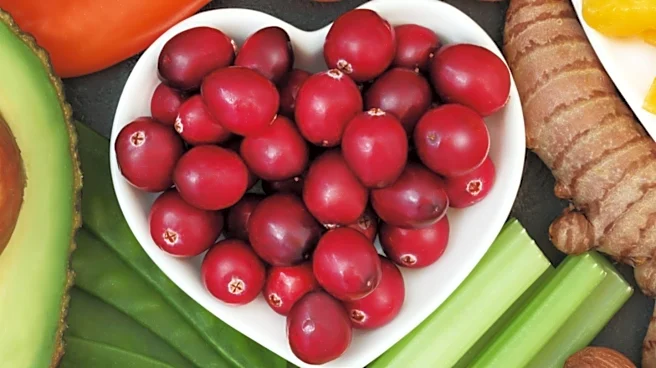
An anti-inflammatory diet focuses on consuming whole, nutritious, and antioxidant-rich foods while avoiding processed items, particularly those high in added sugar and saturated fat. Key foods that help reduce inflammation include tomatoes, strawberries,
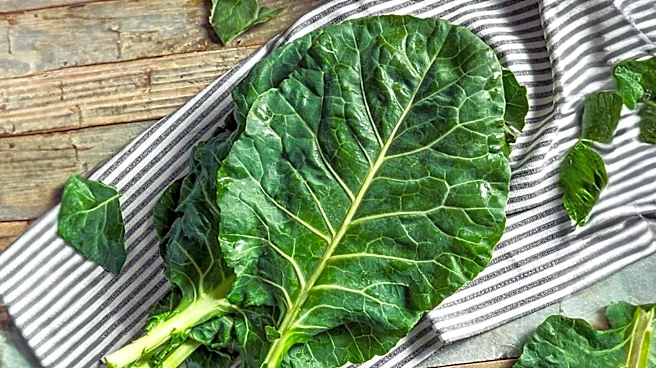
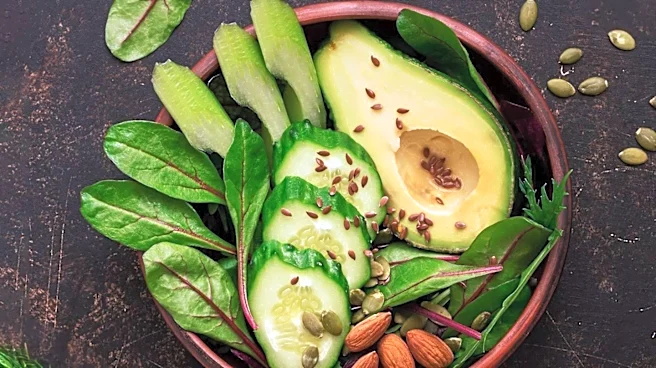
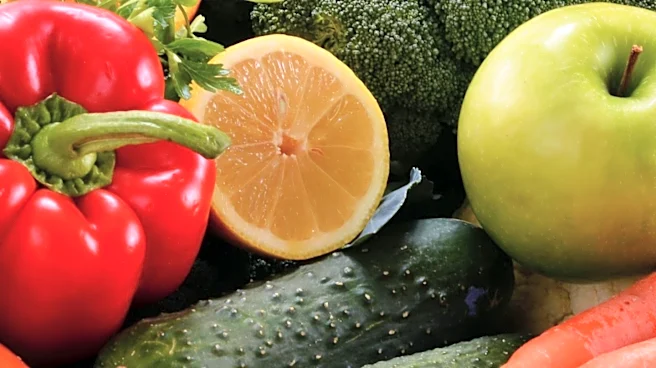
blueberries, oranges, cherries, nuts like almonds and walnuts, olive oil, leafy green vegetables, and fatty fish such as salmon, mackerel, tuna, and sardines. Several established dietary patterns, including the DASH diet, Mediterranean-style diet, and whole food plant-based diets, naturally align with anti-inflammatory principles. These diets prioritize a diverse intake of non-starchy vegetables, fruits, whole grains, low-fat dairy, lean meats, poultry, eggs, beans, nuts, and heart-healthy fats and oils. The goal is to mitigate chronic inflammation, which is linked to various health issues.
Why It's Important?
Chronic inflammation is a significant public health concern in the U.S., contributing to a range of conditions including heart disease, type 2 diabetes, arthritis, and certain cancers. By adopting an anti-inflammatory diet, individuals can potentially reduce their risk of developing these chronic diseases and improve overall well-being. The emphasis on whole, unprocessed foods can also lead to better weight management, which is crucial given the high rates of obesity in the U.S. This dietary approach can empower individuals to take a proactive role in their health, potentially reducing reliance on medications for inflammation-related symptoms. Furthermore, the promotion of such diets could influence food industry trends, encouraging the production and availability of healthier, less processed food options, thereby benefiting the broader population.
What's Next?
The continued emphasis on anti-inflammatory diets suggests a growing trend towards preventive healthcare and nutritional interventions. Healthcare providers and dietitians are likely to increasingly recommend these dietary patterns as a first line of defense against chronic diseases. Educational campaigns promoting the benefits of whole foods and the reduction of processed food intake may become more prevalent. Consumers can expect to see more anti-inflammatory food options in grocery stores and restaurants, driven by demand. Research will likely continue to explore the specific mechanisms through which different foods impact inflammation, leading to more refined dietary guidelines. Individuals are encouraged to consult with healthcare professionals or registered dietitians to tailor an anti-inflammatory eating plan that suits their specific health needs and conditions.
Beyond the Headlines
The shift towards anti-inflammatory diets reflects a broader cultural movement towards mindful eating and a holistic approach to health. It challenges the conventional Western diet, which often features high levels of processed foods, sugars, and unhealthy fats, contributing to systemic inflammation. This dietary philosophy encourages a deeper understanding of food as medicine and promotes a more sustainable and natural way of eating. It also highlights the interconnectedness of diet with various aspects of health, including mental well-being, as inflammation can impact mood and cognitive function. The long-term adoption of anti-inflammatory eating could lead to a healthier population, reduced healthcare costs, and a greater appreciation for diverse, plant-rich food systems. It also underscores the importance of individual responsibility in health management, moving beyond quick fixes to sustainable lifestyle changes.