





What's Happening?
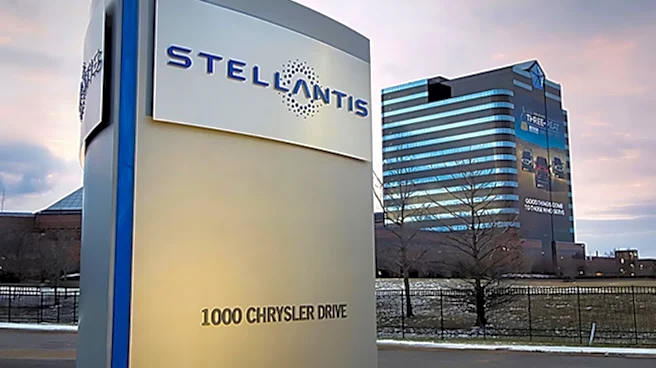
Stellantis recently held its 2026 Factory Booster Day on October 21, an event designed to address manufacturing challenges across its 63 plants by sourcing innovative solutions from external suppliers and startups. Over 280 suppliers and startups submitted
proposals, with more than 80 selected to present their work. The focus areas included artificial intelligence (AI), automation, robotics, vision systems, energy management, and digital manufacturing. This annual event, which has been running since 2016, utilizes an 'Open Challenge' process to match specific plant problems with external solutions. Successful projects are then prepared for broader implementation across Stellantis's manufacturing network, aligning with the company's FaSTLAne 2030 strategic plan. Previous editions have demonstrated the model's effectiveness, such as the real-time monitoring of blank draw-in at Michigan’s Sterling Stamping plant by ThinkDigits, which significantly reduced costs and was subsequently expanded to other lines.
Why It's Important?
This initiative is crucial for Stellantis as it seeks to enhance manufacturing efficiency and innovation within its U.S. and global operations. By actively engaging a wide array of external suppliers and startups, Stellantis can tap into specialized expertise and cutting-edge technologies that might not be readily available internally. This collaborative approach fosters a dynamic ecosystem of innovation, potentially leading to significant cost savings, improved production quality, and increased operational agility. For the U.S. automotive industry, Stellantis's commitment to integrating advanced technologies like AI and robotics into its manufacturing processes could set a precedent, encouraging other manufacturers to adopt similar strategies. This could also create new opportunities for U.S.-based tech startups and suppliers specializing in industrial solutions, driving economic growth and technological advancement in the manufacturing sector. The success of these projects could also influence the competitiveness of U.S. automotive production on a global scale.
What's Next?
Following the 2026 Factory Booster Day, the selected projects will undergo further development and testing. Those that demonstrate success will be scaled up and integrated across Stellantis's manufacturing facilities, including those in the U.S. The company will continue to monitor the performance and impact of these implemented solutions, using the insights gained to refine its innovation strategy. Stellantis's Chief Manufacturing Officer, Francesco Ciancia, emphasized the goal of accelerating innovation on the shop floor by focusing on scalable solutions derived from real plant challenges. This suggests a continuous cycle of problem identification, solution sourcing, and implementation. Future Factory Booster Days are likely to build upon the successes and lessons learned from this year's event, further solidifying Stellantis's commitment to technological advancement in manufacturing as part of its FaSTLAne 2030 strategic plan.
Beyond the Headlines
The Stellantis Factory Booster Day highlights a broader trend in the manufacturing sector: the increasing reliance on external partnerships and open innovation models to drive technological progress. This approach moves beyond traditional in-house R&D, recognizing that specialized expertise often resides outside corporate boundaries. Ethically, this model promotes fair competition among suppliers and startups, offering smaller entities a chance to contribute to a major automotive manufacturer. Legally, it necessitates clear intellectual property agreements and collaboration frameworks to ensure mutual benefit and protect proprietary information. Culturally, it signifies a shift towards a more agile and adaptive manufacturing mindset, where continuous improvement and rapid adoption of new technologies are paramount. In the long term, such initiatives could lead to a more resilient and technologically advanced U.S. manufacturing base, capable of responding quickly to market demands and global challenges.