


What's Happening?
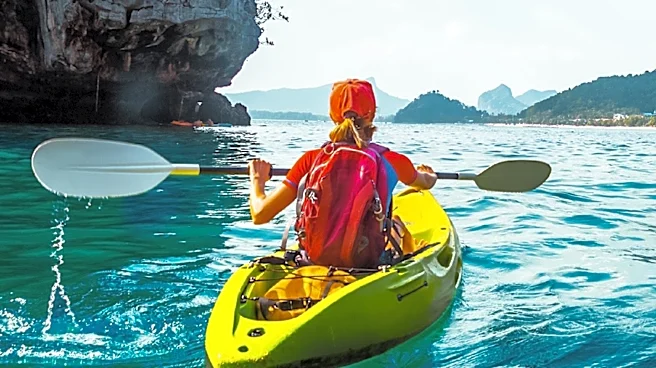
Solo female travel is increasingly visible in Bangladesh as more women seek independence and freedom to explore. Content creators like Shurovy Yeasmin, who has traveled extensively both domestically and internationally, highlight the growing trend. These
women are actively challenging societal expectations that often restrict their movement and autonomy. Maisha Tasnim Sneha, another solo traveler, emphasizes the personal growth and confidence gained from navigating the world independently, often without a fixed plan. While solo travel offers a sense of liberation, it also brings unique challenges, such as societal scrutiny and concerns about safety. Travelers like Shurovy Yeasmin prioritize safety by learning to read people, seeking official help when needed, and avoiding travel alone after dark. The movement is also fostering communities, with online groups like Wander Woman and The Female Travellers Network gaining significant followings, providing platforms for women to connect, share information, and organize trips on their own terms. These communities also offer skill-building programs like cycling, driving, and self-defense to empower women for independent travel.
Why It's Important?
The rise of solo female travel in Bangladesh signifies a significant cultural shift, as women actively reclaim public spaces and challenge traditional gender roles. This movement empowers women by fostering independence, self-reliance, and confidence, allowing them to experience the world on their own terms. It also highlights the ongoing struggle against societal pressures and the need for greater autonomy for women. The growth of women-only travel communities and related services indicates an emerging market demand, potentially leading to the development of more female-centric travel infrastructure, such as women-only hostels. Furthermore, these travelers are raising awareness about responsible tourism, advocating for practices that respect local environments and communities. The legal challenges faced by some women at airports, where their right to travel alone is questioned, underscore the systemic barriers that still exist and the importance of advocating for women's freedom of movement.
What's Next?
The trend of solo female travel in Bangladesh is expected to continue growing, driven by increasing awareness and the support of online communities. As more women embrace independent travel, there may be a greater demand for specialized services and accommodations catering to their needs, potentially leading to new business opportunities in the tourism sector. Legal challenges regarding women's freedom to travel alone, such as the High Court case mentioned, will likely continue to shape policy and societal attitudes. The outcomes of such cases could set precedents for women's rights and autonomy in Bangladesh. Additionally, as the movement gains momentum, there may be increased advocacy for safer travel environments and greater societal acceptance of women traveling independently, potentially leading to broader social changes regarding gender equality and freedom of movement.
Beyond the Headlines
Beyond the immediate act of travel, this movement has deeper implications for gender equality and societal norms in Bangladesh. It directly confronts the historical narrative that women in public spaces must justify their presence, challenging ingrained patriarchal attitudes. The act of solo travel becomes a powerful statement of defiance against restrictions on women's mobility and autonomy. It also fosters a sense of community and solidarity among women, creating networks of support that extend beyond travel itself. The experiences shared by these travelers highlight the ethical considerations within tourism, particularly regarding environmental impact and respect for local cultures. This movement could inspire broader conversations about women's rights, personal freedom, and the evolving role of women in Bangladeshi society, potentially leading to long-term shifts in cultural perceptions and expectations.