


What's Happening?
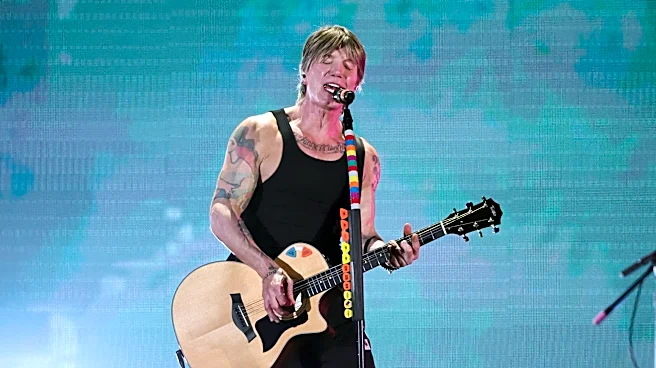
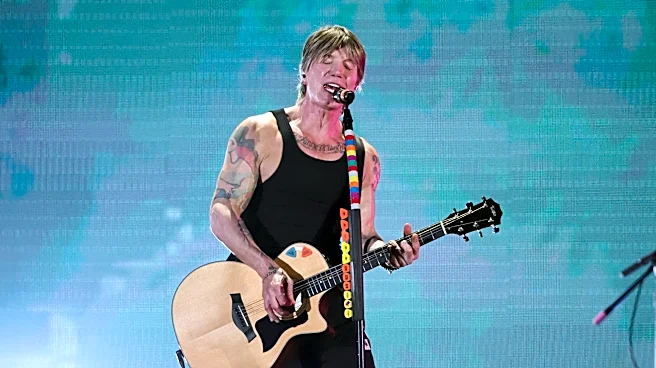
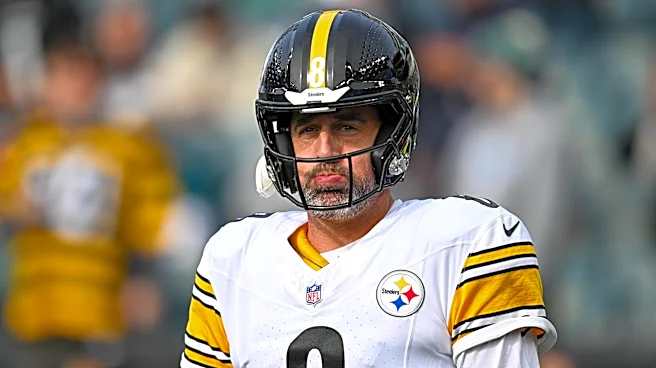
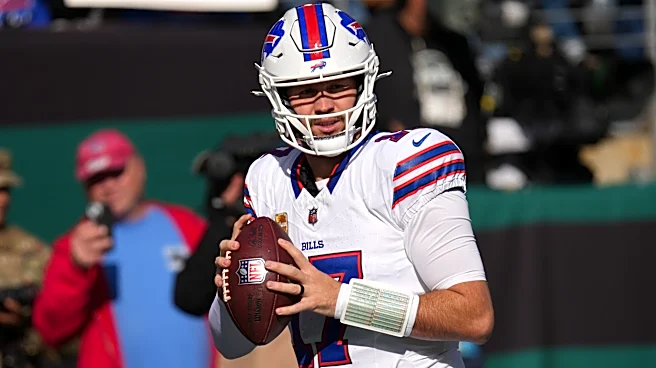
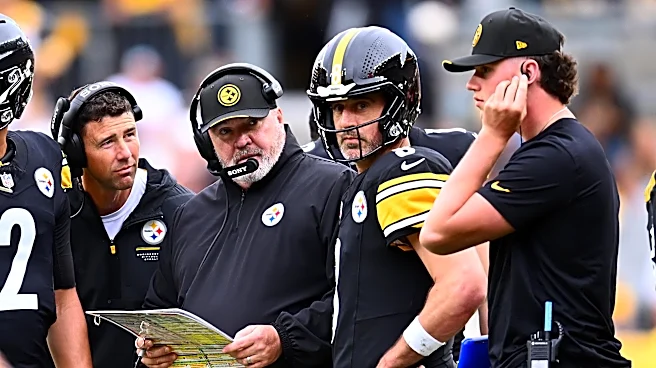
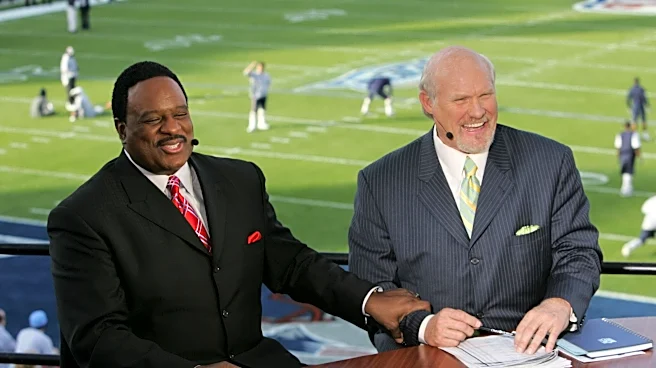
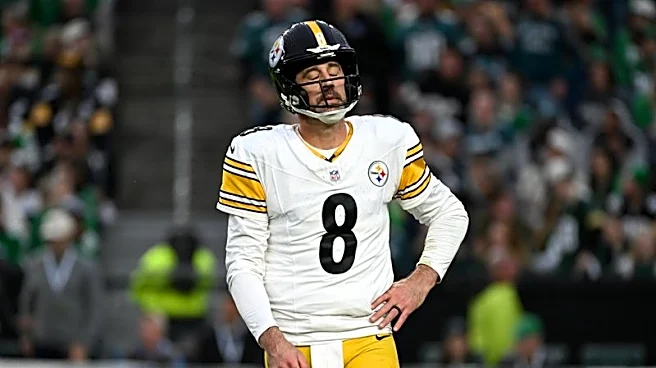
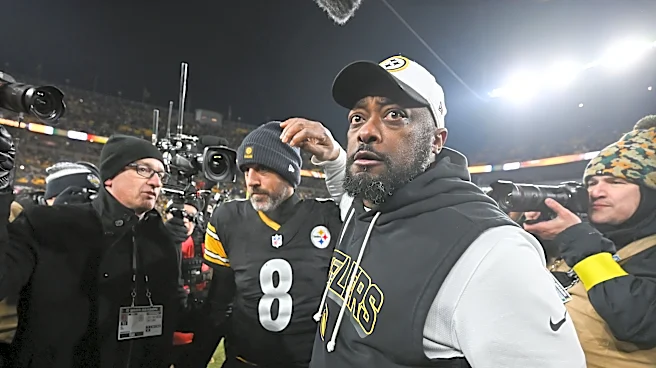
During the 2026 NFL Thanksgiving nightcap between the Buffalo Bills and the Kansas City Chiefs, NBC significantly cut the Goo Goo Dolls' halftime performance. The network opted to air an interview with Mike Tomlin discussing the 'outrageous Aaron Rodgers
situation' that led to Rodgers' release from the Pittsburgh Steelers. Fans were only shown about 90 seconds of the band's set, which included their signature hit 'Iris,' despite expectations for a full performance similar to other Thanksgiving halftime acts like Wu-Tang Clan and Miranda Lambert. The decision sparked widespread frustration among viewers, many of whom took to social media to express their disappointment and blame Rodgers for the interruption.
Why It's Important?
This incident highlights a growing tension between live entertainment and sports commentary during major televised events. For musical artists like the Goo Goo Dolls, a national halftime show during a high-profile NFL game is a significant platform for exposure. Cutting their performance short not only diminishes their opportunity but also frustrates a segment of the audience tuning in for the entertainment aspect. From a broadcasting perspective, the decision reflects a prioritization of breaking news or high-interest sports narratives over scheduled musical acts, potentially alienating viewers who value the full entertainment package. The backlash suggests that networks might need to re-evaluate how they balance these elements to maintain audience satisfaction.
What's Next?
In the immediate aftermath, NBC and the NFL may face continued criticism from fans and potentially from the music industry regarding the handling of live performances. Future halftime show planning for major sporting events might see networks more explicitly outlining the duration and potential for interruptions to musical acts. There could also be increased pressure from fan bases and artists for guaranteed airtime, potentially leading to contractual changes for performers. Broadcasters might also consider alternative scheduling for in-depth interviews, perhaps before or after the main event, to avoid disrupting scheduled entertainment.
Beyond the Headlines
This event touches upon the broader media landscape where real-time sports narratives often dominate airwaves, sometimes at the expense of other content. The 'Aaron Rodgers situation' had been a continuous topic across sports media, indicating a saturation point for some viewers. The incident also raises questions about the perceived value of different types of content by broadcasters and audiences. While sports analysis is crucial for many fans, the desire for diverse entertainment, especially during holiday programming, remains strong. This could prompt a re-evaluation of how networks curate their live event broadcasts to cater to a wider range of viewer preferences and avoid alienating segments of their audience.