
What's Happening?
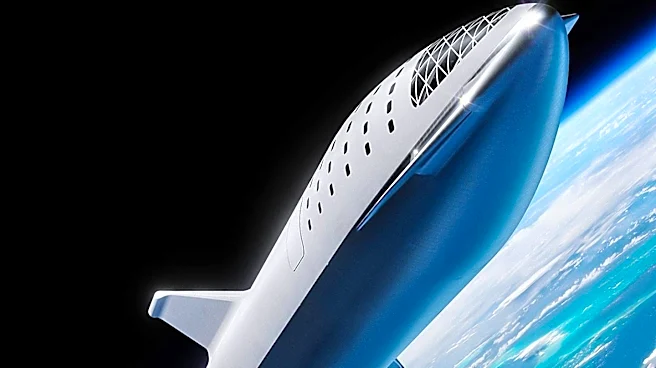
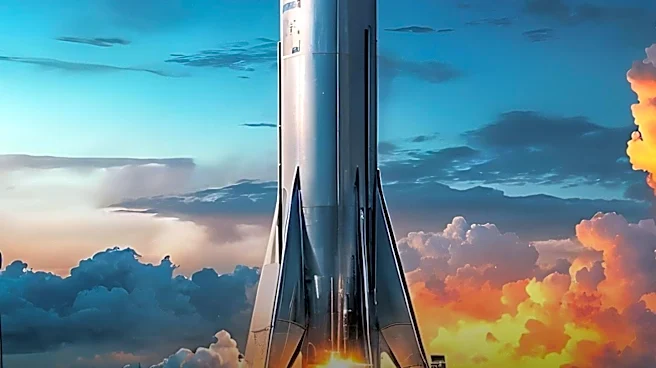
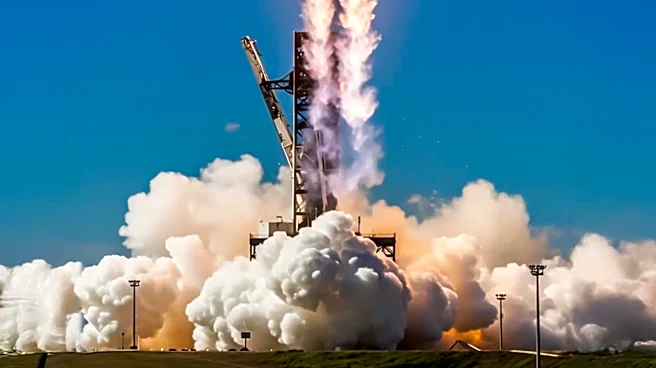
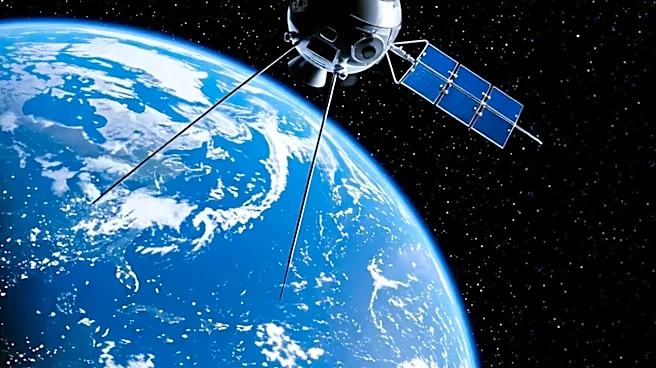
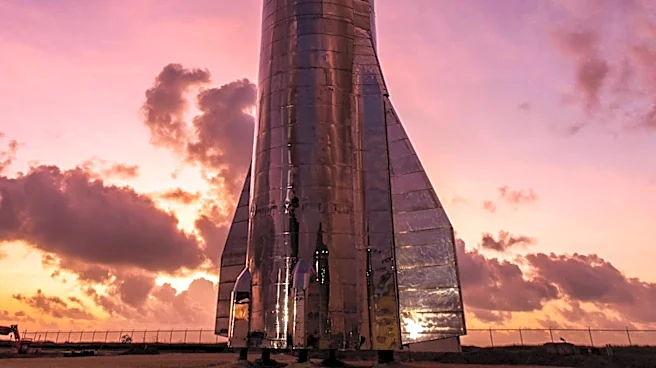
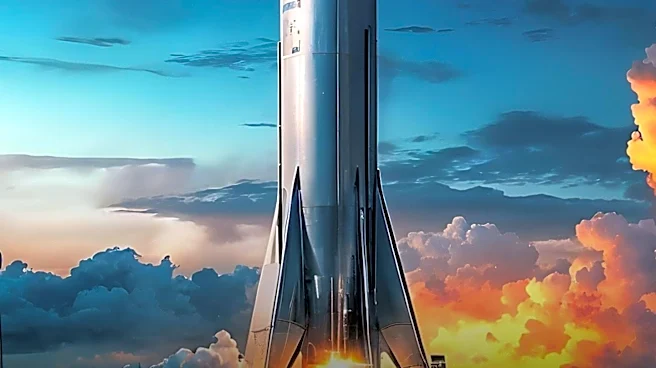
SpaceX is gearing up for its 14th Starship flight test, scheduled for late August 2026. This test is significant as it aims to achieve the first orbital-class mission with the deployment of initial V3
Starlink satellites. A key feature of this mission is the unprecedented attempt to catch the Starship upper stage using the Orbital Launch Tower's chopsticks, a move that could advance the full reusability of the V3 vehicles. The test follows a successful Flight 13 and is contingent on regulatory approval. The market for this test is active, with traders closely monitoring FAA licensing timelines and static-fire results, which could influence the implied probabilities of the mission's success.
Why It's Important?
The success of SpaceX's Starship Flight Test 14 is crucial for the company's long-term goals of achieving full reusability of its spacecraft. This test represents a significant step towards reducing the cost of space travel and increasing the frequency of launches. The deployment of V3 Starlink satellites is also a critical component of SpaceX's plan to expand its satellite internet service, which has implications for global internet accessibility. The outcome of this test could influence investor confidence and impact SpaceX's market position, as well as the broader aerospace industry's approach to reusable spacecraft technology.
What's Next?
Following the test, SpaceX will likely analyze the results to refine its technology and approach. If successful, the company may proceed with more frequent launches and further development of its Starship program. Regulatory approvals and technical evaluations will play a significant role in shaping the next steps. The aerospace community and investors will be watching closely, as the implications of this test could extend to future missions and collaborations. The success of the chopstick catch mechanism could set a new standard for spacecraft recovery and reusability.