


What's Happening?
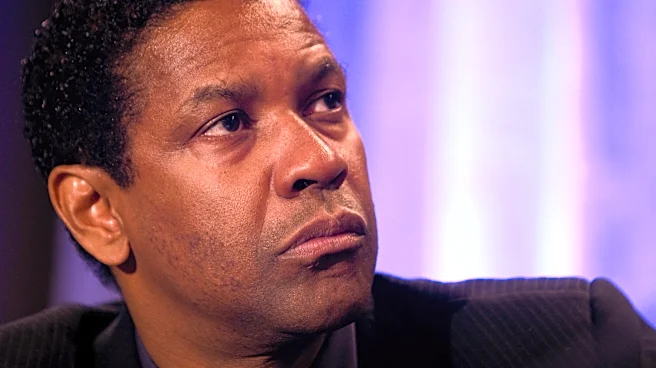
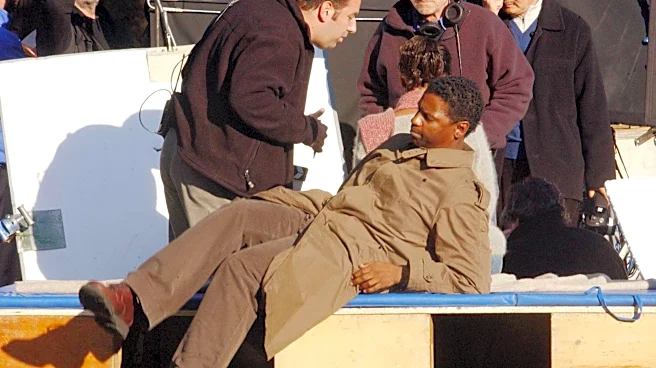
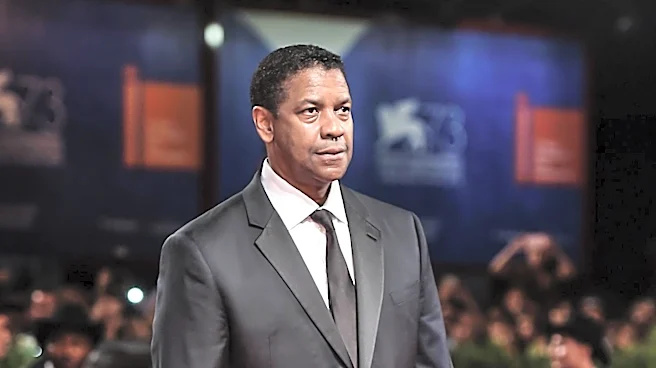
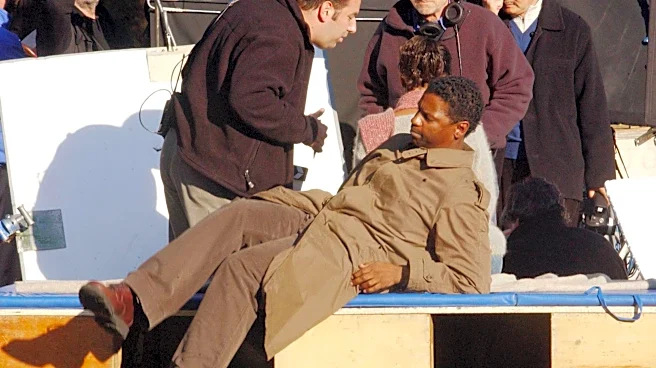
During the production of the 2012 action-thriller 'Safe House,' actor Denzel Washington, who played the notorious criminal Tobin Frost, made a specific demand regarding the fight choreography. According to stunt and fight choreographer Olivier Schneider,
Washington insisted on an equal exchange of blows in a particular fight scene. Initially, Schneider presented pre-visualizations where Washington's character was hit six times and only landed five hits. Washington, a two-time Oscar winner, interrupted the presentation, stating, 'No, he hit me six times and I only hit him five times. I am the star of the film – he is not allowed to hit me even once more!' Schneider had to persuade Washington, explaining that the opponent was the main antagonist and a clear victory in the first encounter would diminish the impact of a final duel. Washington eventually conceded but with the condition that the hits be equal: 'Okay, then he hits me five times – and I hit him five times too!'
Why It's Important?
This anecdote highlights the significant influence and creative control that established actors like Denzel Washington can wield in Hollywood productions. His insistence on specific fight choreography, even down to the number of blows exchanged, underscores the star power that can shape the on-screen portrayal of characters and action sequences. For filmmakers and stunt coordinators, this demonstrates the need for negotiation and persuasive communication when working with high-profile talent. It also reflects how an actor's perception of their character's strength and narrative importance can directly impact the physical storytelling of a film. This level of involvement can contribute to the authenticity and audience reception of action films, as star performances often drive box office success and critical acclaim.
Beyond the Headlines
The incident with Denzel Washington and the fight choreography in 'Safe House' offers a glimpse into the complex dynamics between actors, directors, and stunt teams in the film industry. It touches upon the artistic integrity of a performance versus the practicalities of filmmaking and narrative progression. Washington's demand, while seemingly minor, speaks to a broader theme of how actors protect their on-screen image and character's perceived power. This kind of negotiation is not uncommon and can sometimes lead to creative compromises or, as in this case, a more balanced and perhaps more engaging action sequence. It also subtly reveals the dedication actors have to their roles, even in the minutiae of a fight scene, aiming to deliver a performance that aligns with their vision and the audience's expectations of a leading action star.