






What's Happening?
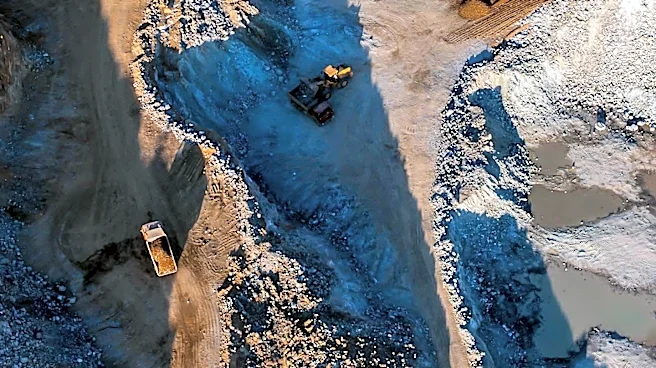
Canada Nickel Company has announced a significant partnership with Komatsu and SMS Equipment to supply the load and haul mining and associated support fleet for its Crawford nickel project in Ontario, Canada. This collaboration marks a crucial step in the project's
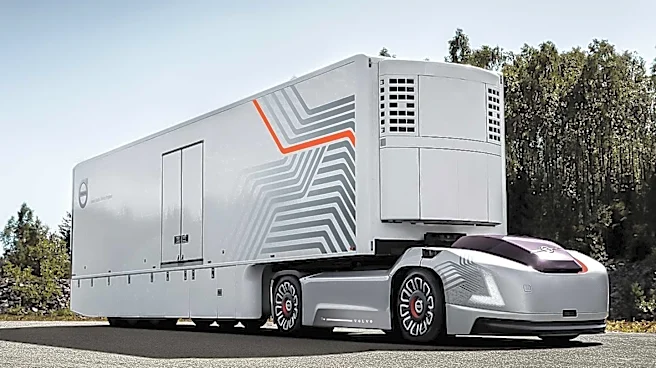
development, focusing on implementing autonomous and electric technologies. The decision followed a comprehensive evaluation of proposals from four equipment vendors, with Komatsu being selected for its proven expertise in automation and electrification. The company's vision for the Crawford project emphasizes safe, sustainable, and low-carbon production of critical minerals. Mark Selby, CEO of Canada Nickel, highlighted the potential value of Komatsu's technologies, including DISPATCH for fleet management and FrontRunner for autonomous haul trucks. The agreement also leverages SMS Equipment's experience in implementing trolley-assisted truck haulage, which is expected to reduce diesel fuel consumption and CO2 emissions significantly, while also facilitating a transition to battery-powered electric vehicles.
Why It's Important?
This partnership is important for several reasons, particularly in the context of the mining industry's shift towards more sustainable and efficient operations. The adoption of autonomous and electric fleets at the Crawford project signifies a commitment to reducing environmental impact through lower CO2 emissions and decreased reliance on diesel fuel. This aligns with global efforts to combat climate change and promotes responsible resource extraction. Economically, the project is substantial, with over 300 machines valued at approximately C$1.5 billion ($1.08 billion) expected to be purchased over the 40-year project life. This investment will create jobs and stimulate economic activity in Ontario, Canada. Furthermore, the project aims to produce 1.6 Mt of nickel, 58 Mt of iron, and 2.8 Mt of chrome over its 41-year mine life, contributing significantly to the supply of critical minerals essential for various industries, including electric vehicles and renewable energy technologies. The de-risking of project start-up and ongoing operations through SMS Equipment's experience in implementing these technologies at other Canadian operations is also a key benefit.
What's Next?
Canada Nickel Company anticipates completing the negotiation of definitive agreements with SMS Equipment and Komatsu by the March quarter of 2027. These agreements will include fleet support arrangements and the previously announced fleet financing agreements with Taykwa Tagamou Nation. The company is working towards a construction decision for the Crawford project in 2027, with the first production guided for 2029. The implementation of trolley-assisted truck haulage will serve as an interim step, allowing for a smooth transition to fully battery-powered electric vehicles as they become available. This phased approach demonstrates a strategic plan for integrating advanced technologies into mining operations. The successful execution of these next steps will be crucial for the project to meet its production targets and sustainability goals, potentially setting a precedent for future mining developments in Canada and beyond.
Beyond the Headlines
The move towards autonomous and electric mining fleets at the Crawford project represents a broader trend in the mining industry to embrace technological innovation for both operational efficiency and environmental stewardship. This shift has ethical implications, as it addresses concerns about worker safety by reducing human exposure to hazardous mining environments through automation. Environmentally, the reduction in diesel consumption and CO2 emissions contributes to a cleaner mining footprint, which is increasingly demanded by stakeholders and regulatory bodies. Culturally, this project could influence public perception of mining, demonstrating that the industry can evolve to be more responsible and sustainable. The long-term shift could see a widespread adoption of similar technologies across the global mining sector, driven by both economic incentives and environmental pressures. This project also highlights the importance of partnerships between mining companies and technology providers in achieving these ambitious goals, fostering a collaborative ecosystem for innovation in critical mineral extraction.