




What's Happening?
OpenRoad Insurance, a specialized provider of insurance for classic and collector vehicles, has expanded its licensing to 40 U.S. states. This marks an increase from 35 states since March, with recent additions including New York, New Hampshire, Vermont,
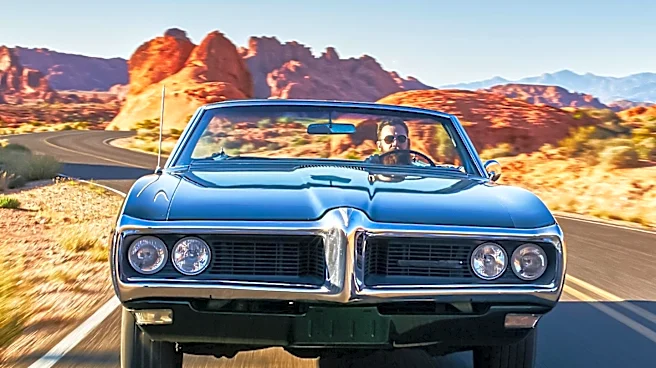
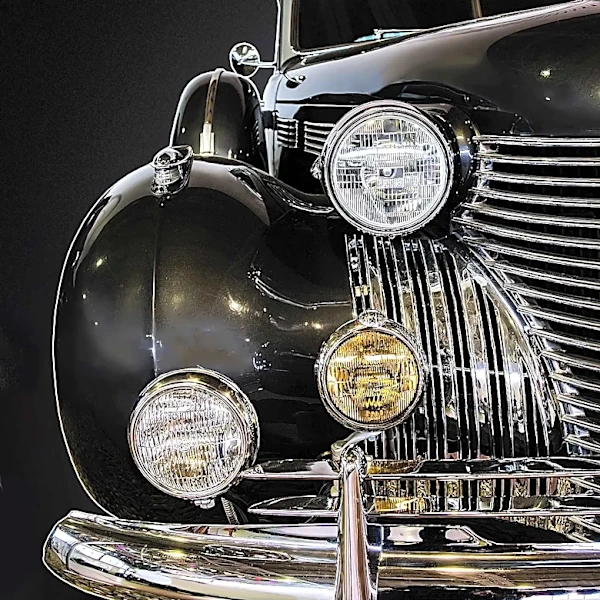
North Carolina, and Delaware. The company, which launched two years ago, aims to provide competitive pricing and comprehensive coverage for car enthusiasts. Richard Hutchinson, CEO of OpenRoad Insurance, stated that reaching 80% of states in two years is a testament to the product team's efforts. OpenRoad Insurance focuses on the collector vehicle segment, which allows it to maintain low overhead and competitive pricing while offering specialized coverage. The company's policies include agreed-value coverage, allowing policyholders and OpenRoad to determine a vehicle's value at the time of policy writing, ensuring a predetermined payout in case of a total loss. Policyholders can also revise this agreed value to reflect appreciation or completed restorations. Additional protections cover emergency evacuation expenses, tools and spare parts, and vehicles under construction. Eligibility for coverage broadly includes vehicles from 1989 or earlier, with newer vehicles evaluated based on enthusiast traits like convertible or two-door body styles, performance or aesthetic upgrades, and usage patterns. OpenRoad Insurance categorizes insured vehicles into classic and collector cars, modern sports and performance cars, muscle cars, classic trucks and 4x4s, antique vehicles, modified vehicles, and other unique vehicles such as vintage tractors and fire trucks. Dallas-based OpenRoad currently has Texas as its largest state by insured volume and plans to expand into 48 continental states.
Why It's Important?
This expansion by OpenRoad Insurance signifies a growing market and increased accessibility for owners of classic and collector vehicles across the U.S. The availability of specialized insurance products like agreed-value coverage is crucial for this niche market, as standard auto insurance policies often do not adequately cover the unique value and appreciation of collector cars. The ability to revise agreed values at any time is particularly important for owners who invest in restorations or whose vehicles appreciate over time, ensuring their assets are fully protected. This move also intensifies competition within the specialized vehicle insurance sector, potentially leading to more favorable terms and broader options for consumers. For the insurance industry, OpenRoad's rapid expansion demonstrates the viability and profitability of targeting specific, underserved segments. The company's focus on keeping overhead low and pricing competitive, while offering best-in-class coverage, could set a new standard for specialized insurers. Furthermore, the expansion into key states like New York and North Carolina opens up significant new markets for the company, tapping into diverse communities of car enthusiasts. The planned expansion into 48 continental states indicates a long-term strategy to become a dominant player in this specialized insurance category, impacting how classic and collector vehicles are valued and protected nationwide.
What's Next?
OpenRoad Insurance plans to continue its expansion, with the goal of being licensed in 48 continental states. This ongoing expansion will likely involve further regulatory approvals and the establishment of operational capabilities in new territories. As the company grows, it may introduce additional specialized coverage options or refine existing ones to meet the evolving needs of the classic and collector vehicle market. Competitors in the specialized insurance sector may respond by enhancing their own offerings or adjusting pricing strategies to retain market share. The increased presence of OpenRoad Insurance could also lead to greater awareness among classic car owners about the benefits of specialized insurance, potentially driving overall market growth. The company's success in maintaining low overhead and competitive pricing will be critical as it scales, and it will need to ensure its customer service and claims processes remain efficient to support a larger policyholder base. Furthermore, as OpenRoad expands, it will likely continue to leverage its data on vehicle usage and enthusiast traits to refine its eligibility criteria and risk assessment models, potentially influencing industry best practices for insuring unique vehicles.
Beyond the Headlines
The expansion of OpenRoad Insurance highlights a broader trend in the insurance industry towards hyper-specialization and tailored products. As consumer markets become more fragmented and diverse, traditional one-size-fits-all insurance models are proving insufficient for niche segments like classic car collectors. This shift reflects a deeper understanding of specific asset classes and their unique risk profiles, moving beyond standard depreciation models to embrace agreed-value coverage that acknowledges the intrinsic and often appreciating value of collector items. Ethically, this approach ensures that enthusiasts are not penalized by standard insurance practices that might undervalue their cherished possessions, fostering greater trust and satisfaction within the community. Culturally, the rise of specialized insurance for classic vehicles underscores the enduring passion for automotive heritage and the significant investment individuals make in preserving these pieces of history. It also points to the economic impact of the collector car market, which extends beyond mere hobbyism to a substantial industry involving restoration, maintenance, and valuation. The success of companies like OpenRoad could encourage other insurers to explore similar specialized offerings for various unique assets, from art collections to vintage machinery, thereby reshaping the landscape of personal lines insurance and asset protection.