





What's Happening?
Paris recently hosted its inaugural Paris Dog Week in September, an event that brought together dozens of dogs and their owners for a series of activities including pool parties, tarot readings, runway shows, and wellness events. The week culminated in a fashion
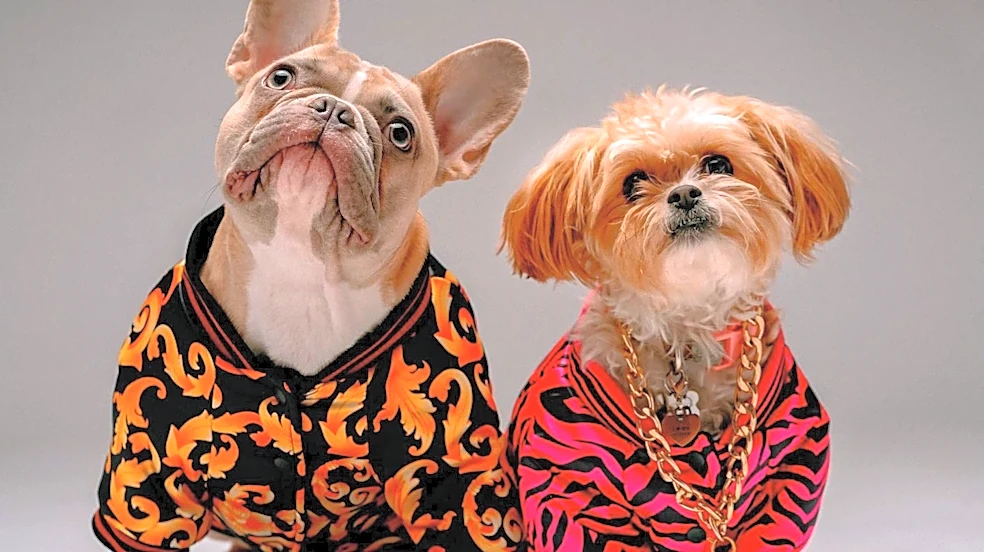
show called “Le Grand Dogwalk” at the Hôtel Alfred Sommier, a 19th-century mansion. During the fashion show, dogs like Serge, a Dachshund, modeled custom attire such as a woven pink poncho. The event also featured a bingo night hosted by drag queen Le Filip with her whippet Azur, where four-legged guests enjoyed specially prepared pizza for dogs. This initiative was co-founded by Ineke Meredith, who also launched a dog-cosmetics brand, Fur Love, in 2024, and was inspired by London Dog Week, which has been running since 2019. The event was organized by local business owners and supported by city hall, with local assemblyman Béchir Saket Bouderbala noting its role in discussing how public spaces are shared.
Why It's Important?
The emergence of events like Paris Dog Week highlights a growing trend in the pet care market, which was valued at approximately $181 billion in 2025 and is projected to reach around $283 billion by 2033. This growth indicates a significant economic opportunity for businesses catering to pet owners, including those in fashion, wellness, and specialized food products. For the U.S., this trend suggests potential for similar high-end pet-centric events and services, reflecting an increasing willingness of consumers to spend on their pets' well-being and luxury. The event also underscores a shift in urban planning and public policy, as cities like Paris begin to consider the needs of dog owners in public spaces. This could influence U.S. cities to re-evaluate regulations regarding pets in public transit and the creation of more off-leash areas, potentially impacting urban development and community services. The involvement of local politicians in supporting such events also signals a recognition of pet owners as a significant demographic with specific needs and economic contributions.
What's Next?
Following the success of its first edition, Paris Dog Week is expected to continue annually, with organizers and participants like Christian Schneider, a documentarian and designer from Asheville, N.C., expressing intentions to return. This suggests a potential for the event to grow in scale and attract more international participants and brands, including those from the U.S. The event's success may also inspire other major cities, both in Europe and the U.S., to launch similar initiatives, further expanding the pet care and luxury pet product markets. Discussions around dog-inclusive urban measures, such as simplifying public transit rules and creating more off-leash spaces, are likely to continue and potentially lead to policy changes in Paris and other cities. The ongoing growth of the global pet care market indicates a sustained interest in and demand for specialized pet services and products, encouraging further innovation and investment in this sector.
Beyond the Headlines
Paris Dog Week reflects a broader cultural shift towards integrating pets more fully into human lifestyles, moving beyond basic care to include luxury, fashion, and social events. This trend raises questions about the evolving definition of family and companionship, where pets are increasingly viewed as integral members. Ethically, it prompts discussions about responsible pet ownership in an urban environment, balancing the desires of pet owners with the needs of the wider community. The event also highlights the economic power of the pet industry, which is not only growing in size but also diversifying into niche markets like high-end pet fashion and wellness. This could lead to new business models and entrepreneurial opportunities, while also potentially exacerbating disparities in pet care access based on socioeconomic status. Furthermore, the political engagement around dog-inclusive measures suggests a growing recognition of animal welfare and pet owner rights as legitimate concerns in urban governance.