







What's Happening?
Amazon Music has announced significant expansions to its video podcast catalog, extending the format beyond the United States to include Canada, the United Kingdom, Mexico, Brazil, and Japan. This initiative involves new partnerships with major podcast hosting
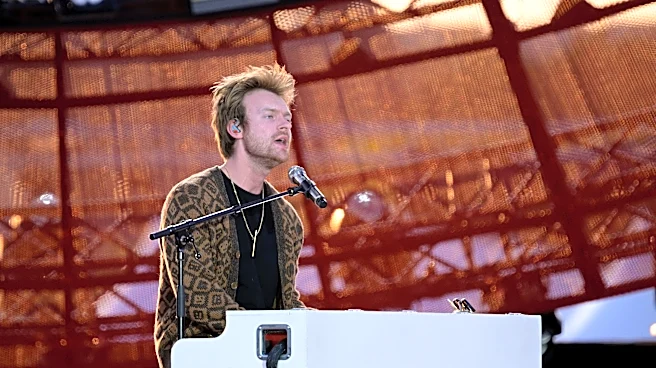
providers such as ART19, Triton Digital’s Omny Studio, and Flightcast, with future collaborations expected with SiriusXM, Megaphone, and Libsyn. These partnerships will bring content from publishers like iHeartMedia, SiriusXM, Spotify, and NBC Sports to the platform, featuring popular shows like 'Hey Jonas!' and 'Pro Football Talk Live with Mike Florio.' The video podcasts will be accessible across all Amazon Music subscription tiers on iOS and Android devices. Additionally, Amazon Music is introducing monetization tools for video podcasts, allowing creators to dynamically insert video ads into their shows, complementing existing brand sponsorships and baked-in advertisements. The company emphasizes that publishers and creators will maintain control over their hosting, ad inventory, and audience targeting. This move aligns with a growing consumer preference for watchable podcasts, as indicated by industry data.
Why It's Important?
This expansion by Amazon Music is a strategic move to capture a larger share of the rapidly growing video podcast market, which is increasingly favored by consumers. By offering video podcasts in multiple countries and integrating monetization tools, Amazon Music aims to attract both listeners and creators, intensifying competition with established platforms like YouTube, Spotify, and Apple Podcasts. For creators, the new monetization options provide additional revenue streams and greater control over their content and advertising, potentially drawing more talent to Amazon Music. For consumers, the availability of a wider range of video podcasts and the flexibility to switch between audio and video formats enhance the user experience. This development could shift market dynamics in the digital audio and video streaming landscape, pushing other platforms to innovate further in video podcast offerings and creator monetization. The move also leverages Amazon's global reach and existing subscriber base, particularly Prime members, to accelerate adoption and engagement.
What's Next?
In the coming months, Amazon Music anticipates further partnerships with hosting providers like SiriusXM (including SiriusXM Media, AdsWizz, and Simplecast), Megaphone, and Libsyn, which will continue to broaden its video podcast library. The rollout of dynamic video ad insertion tools will likely evolve as creators and advertisers adapt to the new monetization model, potentially leading to more sophisticated targeting and ad formats. The company will likely monitor user engagement and content performance in the newly launched regions to refine its strategy and content offerings. Competitors in the streaming market are expected to respond with their own enhancements to video podcast capabilities and creator support to retain and attract users. The increasing trend of 'watchable podcasts' suggests that platforms will continue to invest in visual content, potentially leading to more interactive and immersive podcast experiences in the future.
Beyond the Headlines
The expansion of video podcasts by Amazon Music highlights a broader shift in digital media consumption, where the lines between audio and video content are increasingly blurring. This trend reflects a consumer demand for more engaging and visually rich experiences, moving beyond traditional audio-only formats. The emphasis on creator monetization tools also underscores the growing importance of the creator economy, where platforms are vying to offer the most attractive terms and features to content producers. This could lead to a more diverse and high-quality content ecosystem as creators are empowered with better tools and revenue opportunities. Furthermore, the global rollout signifies a strategic effort to localize content and cater to diverse international audiences, potentially fostering cross-cultural content exchange and consumption. The integration of video into podcasts also raises questions about content moderation and the evolving standards for visual storytelling in an audio-first medium.