






What's Happening?
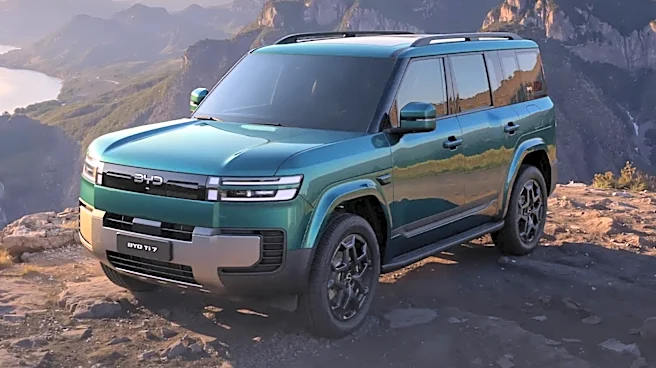
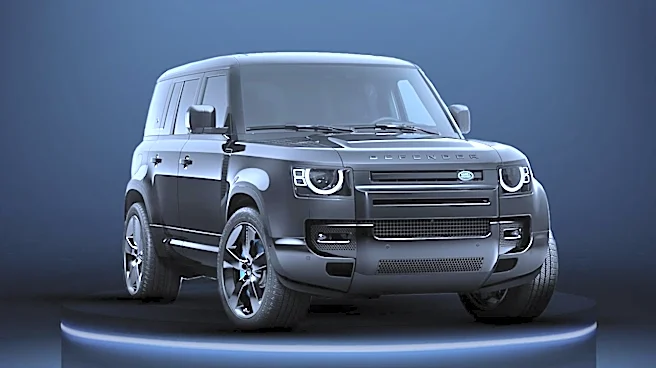
Jaguar Land Rover (JLR) has faced a setback in its legal dispute with Chinese automaker BYD, concerning allegations that BYD's Ti7 SUV is a 'copycat' of the Defender. A judge in The Hague has ordered JLR to destroy all digital documents seized during
raids on two BYD offices in the Netherlands in August. The court ruled that the seized evidence was not relevant to substantiating JLR's claims of design copying or potential financial damages, primarily because the Ti7 is not yet available in Europe. JLR had orchestrated these raids to obtain documents related to the Ti7's launch in Europe and the UK. BYD described the raids as a 'fishing expedition' that exceeded the scope of the copying allegations, arguing that commercially sensitive and technical data unrelated to the dispute were also seized. The judge mandated that JLR destroy or return the materials within 24 hours, with penalties of up to €50,000 per hour, capped at €500,000, for non-compliance. JLR was also ordered to pay BYD €25,376.57 towards its legal costs.
Why It's Important?
This ruling is significant as it marks an initial legal victory for BYD and a setback for JLR in a high-profile intellectual property (IP) dispute. It highlights the complexities and challenges of enforcing design rights across international jurisdictions, particularly when dealing with rapidly expanding global automotive markets. For JLR, the inability to use the seized documents could complicate its case, potentially weakening its ability to prove infringement and seek an injunction against the Ti7's sale in Europe. For BYD, the decision reinforces its position against what it termed an overreaching legal tactic, potentially deterring similar broad evidence-gathering efforts in future IP disputes. The case also underscores the growing tension between established Western automakers and emerging Chinese brands, as the latter increasingly enter global markets with competitive products, sometimes leading to accusations of design infringement. The outcome of such cases can set precedents for how IP rights are protected and challenged in the global automotive industry.
What's Next?
The legal battle between JLR and BYD is expected to continue, with this ruling being just the first step in a potentially lengthy process. JLR is anticipated to pursue its core claims of 'infringement of the model right to the Defender' in The Hague and 'infringement of copyright and slavish imitation of the Defender' in Rotterdam. The British carmaker will likely seek an injunction to prevent the Ti7 from being sold in European showrooms. However, there are doubts whether the case will be resolved before the Ti7's expected arrival in UK dealerships in early 2027. Both companies are likely to prepare for further court proceedings, with legal teams focusing on presenting evidence directly related to design similarities. The broader implications for the automotive industry include increased scrutiny on design originality and intellectual property protection as Chinese brands continue their expansion into Western markets.
Beyond the Headlines
This legal skirmish extends beyond a simple design dispute, touching upon broader themes of global competition, intellectual property rights in a globalized economy, and the strategic challenges faced by legacy automakers. The rapid rise of Chinese automotive brands, offering vehicles with competitive pricing and features, is disrupting traditional market dynamics. Accusations of 'copycat' designs reflect a deeper tension as established brands seek to protect their heritage and market share against new entrants. The case also highlights the varying interpretations and enforcement of IP laws across different countries, making international legal battles complex and costly. Furthermore, the incident could influence how companies conduct due diligence and manage their IP portfolios when operating in multiple jurisdictions. The outcome of this and similar cases will shape the future landscape of automotive design and innovation, potentially encouraging more original design or leading to more aggressive legal strategies to protect existing intellectual property.