




What's Happening?
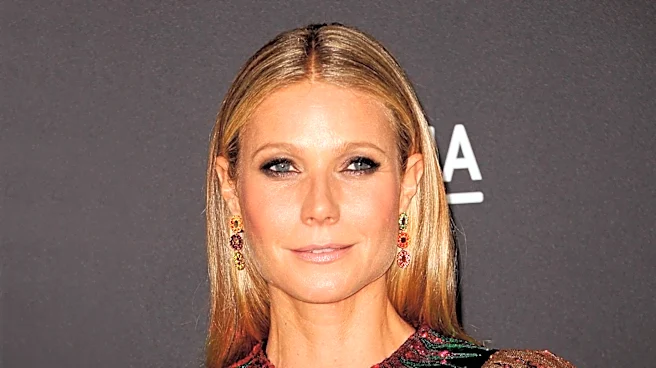
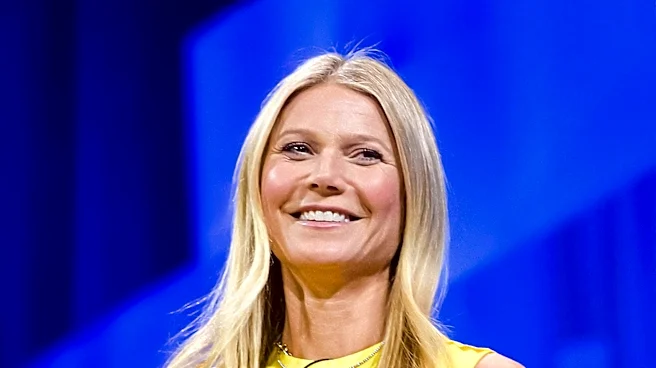
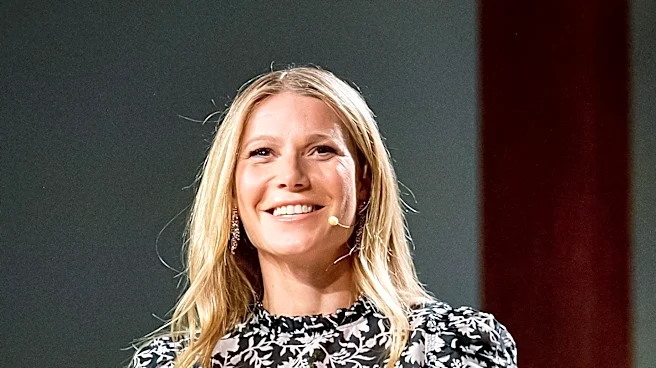
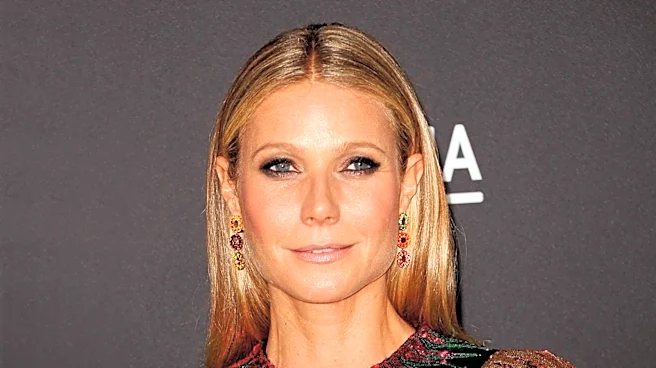
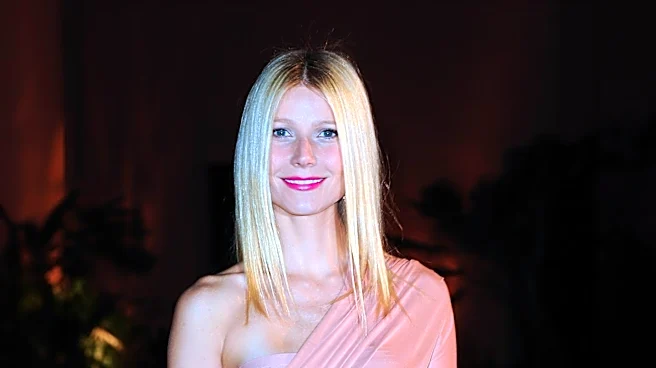
Gwyneth Paltrow recently discussed the origins of the term 'conscious uncoupling' used during her 2014 divorce from Chris Martin. Speaking on the 'Friends Keep Secrets' podcast, Paltrow clarified that she did not coin the phrase. Instead, a therapist
introduced the concept to her and Martin. The decision to adopt this approach stemmed from Paltrow's desire to protect their children, Apple and Moses, from the negative impacts often associated with parental divorce. She surveyed friends from divorced households about their worst experiences, finding that ongoing parental friction, rather than the divorce itself, caused the most lasting pain. This led her and Martin to commit to maintaining a family unit, even if they were no longer a couple, to ensure their children grew up in a stable environment where both parents could coexist peacefully, such as sharing meals at the same table. The term 'conscious uncoupling' became widely discussed and, at times, ridiculed after its initial announcement.
Why It's Important?
Paltrow's clarification on 'conscious uncoupling' highlights a broader societal shift in how divorce and co-parenting are perceived and approached, particularly among public figures. While initially met with skepticism and humor, the concept emphasizes prioritizing children's well-being over traditional adversarial divorce proceedings. This approach can influence public discourse on family structures post-divorce, encouraging more amicable separations. For families in the U.S., this perspective offers an alternative model that seeks to minimize emotional trauma for children, potentially leading to better long-term psychological outcomes. The emphasis on maintaining a 'family' unit, even after marital dissolution, challenges conventional notions of divorce as a complete severing of ties, promoting a more collaborative and child-centric framework for separated parents. This could inspire other parents to seek similar therapeutic guidance to navigate their separations more constructively.
What's Next?
The continued discussion around 'conscious uncoupling' by public figures like Gwyneth Paltrow is likely to further normalize and popularize alternative divorce and co-parenting strategies. This could lead to increased demand for therapists specializing in family mediation and child-focused separation techniques. We may see more public figures adopting and openly discussing similar approaches, further destigmatizing divorce and promoting healthier post-marital relationships for the sake of children. The ongoing dialogue could also influence legal frameworks and support services to better accommodate non-traditional family structures and cooperative parenting models. As societal views evolve, the concept of 'conscious uncoupling' may become a more accepted and understood pathway for families navigating separation, moving beyond its initial perception as a celebrity eccentricity.
Beyond the Headlines
Beyond the immediate context of celebrity divorce, the 'conscious uncoupling' narrative touches upon deeper ethical and cultural dimensions regarding family dissolution. It challenges the traditional adversarial legal system often associated with divorce, advocating for a more compassionate and child-centered approach. This shift reflects a growing awareness of the psychological impact of parental conflict on children and a desire to mitigate long-term emotional scars. Culturally, it promotes a redefinition of 'family' to include non-traditional structures where parents, though separated, remain a cohesive unit for their children. This concept encourages personal responsibility in managing emotional responses during separation and highlights the value of therapeutic intervention in navigating complex family transitions. It also underscores the power of language in shaping public perception, as a carefully chosen term can reframe a potentially negative event into a more positive and intentional process.