







What's Happening?
Old-fashioned gardening tips, passed down through generations, continue to be relevant for modern gardeners. These practices focus on working with nature and observing plant behavior rather than relying on specialized products or technology. Key recommendations
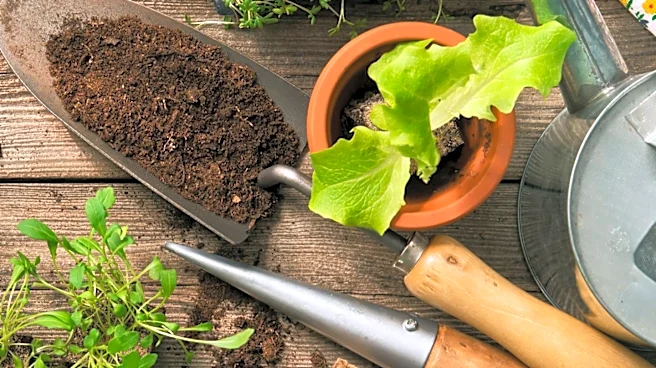
include incorporating crushed eggshells into compost for calcium, rotating crops to prevent the buildup of soilborne diseases and pests, and watering plants deeply to ensure moisture reaches the root zone. Gardeners are also advised to walk through their gardens daily to identify and address problems like weeds, insect damage, or discoloration early on. These methods highlight a practical, hands-on approach to plant care, emphasizing long-term soil health and plant vitality.
Why It's Important?
The resurgence of interest in traditional gardening methods underscores a broader shift towards sustainable and environmentally conscious practices in the U.S. These techniques offer cost-effective alternatives to chemical fertilizers and pesticides, promoting biodiversity and reducing ecological footprints. For home gardeners, adopting these methods can lead to healthier, more resilient plants and a greater understanding of natural ecosystems. On a larger scale, the principles of crop rotation and composting contribute to soil conservation and nutrient cycling, which are vital for agricultural sustainability. This approach also fosters a connection to historical agricultural wisdom, encouraging self-sufficiency and a deeper appreciation for the natural world.
What's Next?
As awareness of environmental impact grows, more individuals and communities are likely to explore and implement these traditional gardening techniques. Educational initiatives and community gardens may increasingly promote these methods, offering workshops on composting, seed saving, and natural pest control. The integration of these practices into urban farming and permaculture designs could also expand, leading to more localized food systems and greener urban spaces. Furthermore, research into the scientific basis of these age-old practices may continue, validating their effectiveness and potentially inspiring new innovations in sustainable agriculture.
Beyond the Headlines
Beyond their practical benefits, these traditional gardening tips reflect a philosophical approach to living that values patience, observation, and harmony with nature. In an increasingly fast-paced and technology-driven world, engaging in these practices can offer a meditative and grounding experience. It encourages a slower pace of life, where attention to detail and understanding natural cycles become paramount. This shift can also foster a sense of community through shared knowledge and resources, as gardeners exchange tips and seeds. Ultimately, embracing these old-fashioned methods is not just about growing plants; it's about cultivating a more mindful and sustainable lifestyle.