


What's Happening?
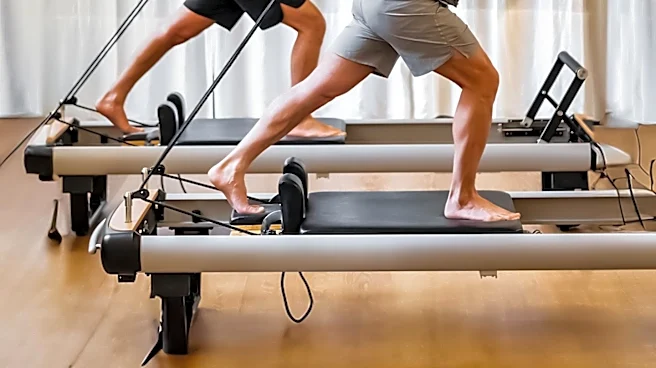
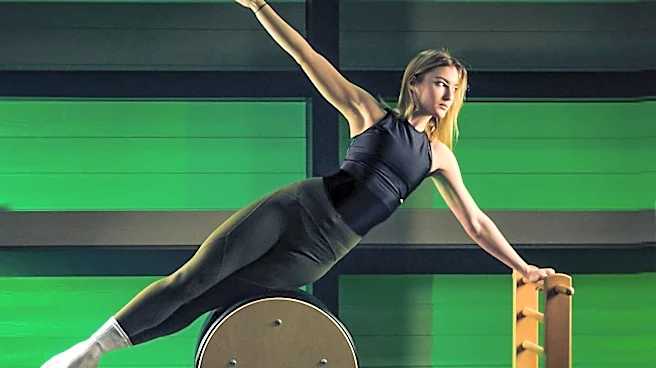
Pilates is an exercise method that prioritizes core control, alignment, and stability, focusing on strengthening deep abdominal and core muscles. It is beneficial for a wide range of individuals, from young people to athletes, by enhancing posture, fortifying
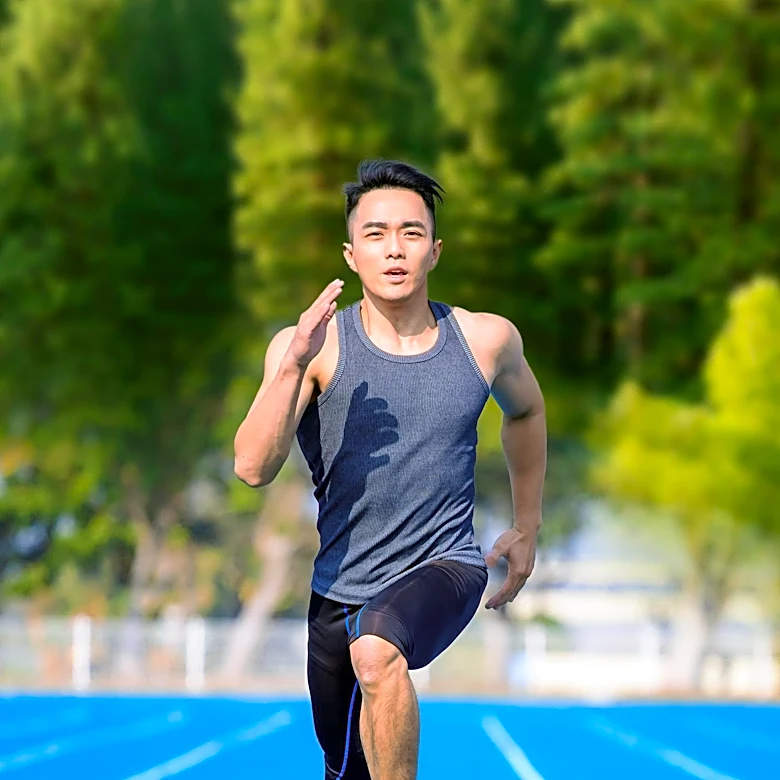
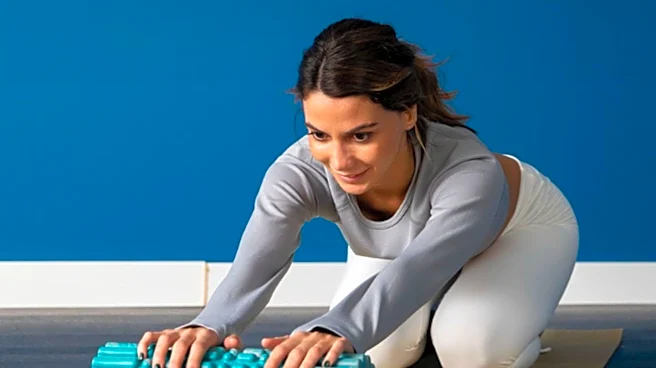
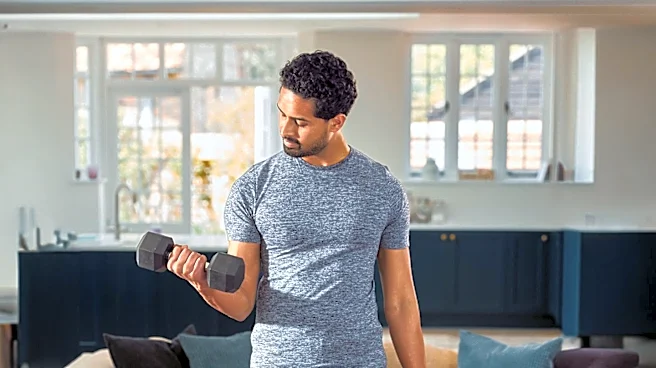
deep muscle groups, and alleviating back and joint pain. According to Kirsten King, founder of Fluidform, Pilates offers a unique layer of strength through control, mobility, and stability, teaching individuals how to effectively utilize their existing strength. Unlike traditional strength training or running, Pilates specifically instructs how to control body movements and how different body parts work in conjunction. Beginners are advised to start with 10 to 15 minutes daily, gradually increasing duration as their strength improves. This approach helps build a sustainable fitness routine and allows the body to adapt progressively. Pilates can also serve as a complementary activity to other forms of exercise like running, weightlifting, and yoga, making the body more robust and efficient in performing these activities.
Why It's Important?
The emphasis on Pilates highlights a shift in fitness understanding, moving beyond mere muscle size or lifting capacity to encompass functional strength and body control. This is particularly important for athletes and individuals engaged in high-impact activities, as Pilates addresses imbalances and compensations that can lead to injuries. By improving force distribution and muscular endurance, Pilates helps prevent overworking specific body parts, thereby reducing strain on joints and the spine. For the general public, its focus on posture and core stability can significantly mitigate chronic issues like lower back pain, a common ailment. The integration of Pilates into diverse fitness regimens can lead to more resilient bodies, better movement mechanics, and enhanced overall physical performance, ultimately contributing to a healthier and more active population. This broader understanding of strength can influence how fitness programs are designed and promoted across the U.S., encouraging a more holistic approach to physical well-being.
What's Next?
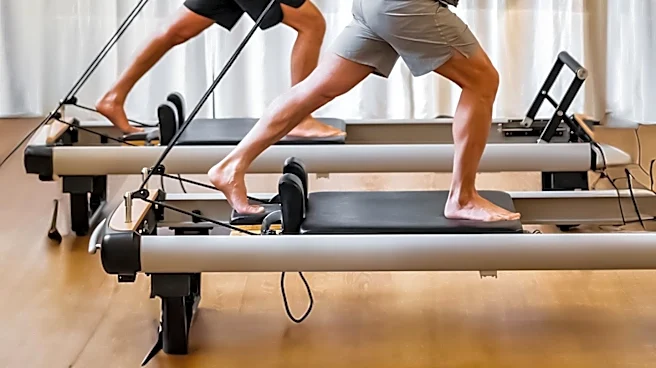
As awareness of Pilates' benefits grows, particularly its role in injury prevention and performance enhancement, there may be an increased integration of Pilates into mainstream fitness programs and athletic training protocols. Fitness centers and personal trainers are likely to expand their Pilates offerings, including both mat and reformer classes, to cater to a wider audience seeking improved control, mobility, and stability. Educational initiatives could also emerge, aimed at dispelling misconceptions about Pilates being solely for women or only for flexibility, highlighting its comprehensive strength-building aspects. Furthermore, the development of more accessible digital platforms and apps offering Pilates instruction could make the practice more widespread, allowing individuals to incorporate it into their daily routines from home. This trend could lead to a more informed approach to physical fitness, where control and functional movement are valued as much as traditional strength metrics.
Beyond the Headlines
The growing recognition of Pilates underscores a deeper cultural shift towards mindful movement and holistic health. In a society often focused on high-intensity workouts and visible muscle gains, Pilates champions internal strength, body awareness, and injury resilience. This approach has ethical implications, promoting sustainable fitness practices that prioritize long-term well-being over short-term aesthetic goals or performance peaks that might lead to burnout or injury. Legally, as more individuals seek specialized fitness guidance, there might be an increased demand for certified Pilates instructors and regulated training standards to ensure safety and efficacy. Culturally, the integration of Pilates into diverse demographics, including professional athletes and men, challenges traditional gender stereotypes in fitness, fostering a more inclusive and comprehensive understanding of physical health. This evolution could lead to a broader acceptance of varied exercise modalities, encouraging individuals to explore what best suits their body's needs rather than conforming to conventional fitness norms.