




What's Happening?
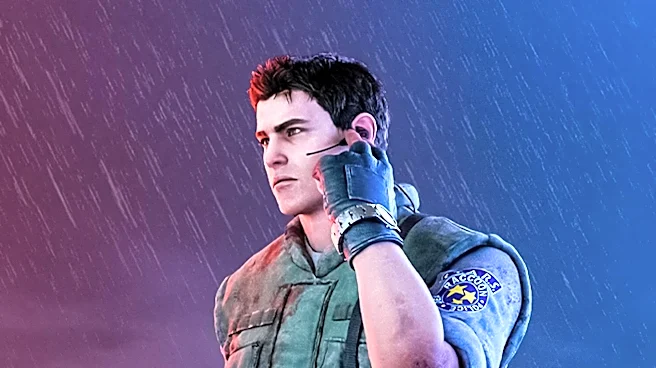
Horror filmmaker Zach Cregger has voiced his frustration regarding the public discourse surrounding his 'Resident Evil' film, stating that much of the conversation did not pertain to the movie itself. Cregger explained that discussions predominantly revolved
around whether the film adhered to various fan expectations from the video games, focusing on character portrayals, lore accuracy, and deviations from the source material. He noted that fans questioned elements such as the absence of specific characters, the snowy setting of Raccoon City, and the inclusion of modern technology like smartphones. Despite his attempts to explain creative liberties taken to enhance the film's quality, Cregger admitted he was naive to expect a different outcome. The film, released on September 18, ultimately achieved significant box office success, grossing over $400 million worldwide against a reported budget of $75 million, and received positive reviews.
Why It's Important?
Zach Cregger's experience with the 'Resident Evil' film highlights a significant challenge faced by filmmakers adapting established intellectual properties (IPs), particularly those with passionate fan bases. This situation underscores the tension between creative artistic vision and audience expectations rooted in original source material. For the U.S. film industry, this dynamic can influence production decisions, potentially leading studios to either strictly adhere to IP for fan appeasement or risk alienating a core audience by pursuing a unique creative direction. The financial success of Cregger's film, despite initial fan backlash, suggests that critical and commercial viability can still be achieved even when deviating from source material, provided the film delivers a compelling experience. This case may encourage filmmakers to take more creative risks with adaptations, while also prompting studios to better manage fan expectations through clearer communication about artistic intent.
What's Next?
Following the commercial success of his 'Resident Evil' film, Zach Cregger has indicated a desire to step away from franchise films, though he maintains a 'never say never' stance regarding a potential sequel. He is currently developing his next original film, 'The Flood,' a sci-fi thriller starring Jennifer Lawrence, slated for an August 11, 2028 release. The conversation surrounding his 'Resident Evil' adaptation may influence how Cregger approaches future projects, potentially reinforcing his inclination towards original content where he has full creative control. For Sony, the film's strong box office performance makes a sequel a strong possibility, but Cregger's reluctance could lead to a different director taking the helm or a re-evaluation of the franchise's direction. The broader industry will likely continue to observe how adaptations of popular IPs navigate fan expectations versus creative freedom.
Beyond the Headlines
Cregger's frustration points to a deeper cultural phenomenon in the digital age: the intense scrutiny and proprietary feelings that fans develop towards beloved IPs. This dynamic, amplified by social media, creates a challenging environment for creators who aim to reinterpret or expand upon established narratives. The 'Resident Evil' case exemplifies the ongoing debate about the nature of adaptation—whether it should be a faithful recreation or a reinterpretation that brings new perspectives. This tension raises questions about artistic autonomy versus audience ownership in the realm of popular culture. It also highlights the evolving role of the audience, who, through online platforms, can exert significant pressure on creative processes, potentially shaping the future of how established stories are brought to the screen and influencing the types of projects filmmakers choose to undertake.