








What's Happening?
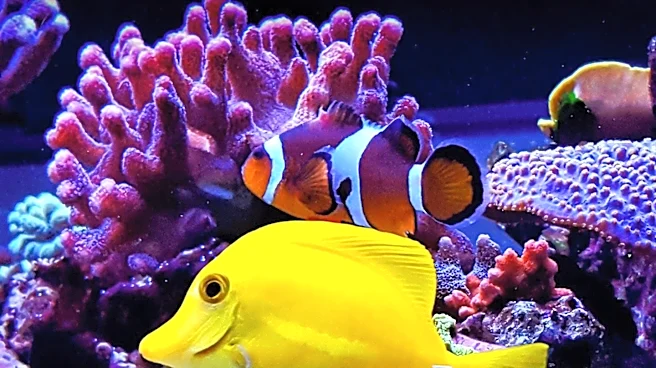
A comprehensive guide for reef tank enthusiasts highlights the critical requirements for successfully keeping anemones, such as bubble tip and rock flower anemones. The guide stresses that anemones are mobile animals with specific needs for strong lighting,
stable water chemistry, and proper placement within a well-established aquarium system. It advises hobbyists to ensure their tanks have been stable for at least six months, maintaining consistent salinity, temperature (76-79°F), alkalinity (8-9 dKH), and nutrient levels. Ammonia and nitrite must be zero, while nitrate and phosphate should be present but not excessively high, as an overly sterile tank can hinder anemone health. The guide also details species-specific care, noting that bubble tip anemones can wander and sting nearby corals, while rock flower anemones are generally smaller and less prone to roaming, making them suitable for lower areas of the aquascape. Proper acclimation and guarding powerheads are crucial to prevent injury to these sensitive invertebrates.
Why It's Important?
The detailed guidance on anemone care is important for the U.S. aquarium industry and hobbyists, as it promotes responsible pet ownership and contributes to the sustainability of the marine ornamental trade. By emphasizing the need for mature systems and stable water parameters, the guide helps reduce the mortality rate of anemones in home aquariums, which can be a significant economic and ethical concern. High mortality rates lead to increased demand for wild-caught specimens or unsustainable aquaculture practices. Educating hobbyists on the specific requirements of different anemone species, such as their mobility and potential to sting corals, helps prevent common mistakes that can result in the loss of expensive livestock and damage to entire reef ecosystems within tanks. This knowledge empowers hobbyists to create thriving environments, fostering a more successful and enjoyable experience, and potentially reducing the financial burden associated with replacing lost animals and corals.
What's Next?
Hobbyists are encouraged to thoroughly research and prepare their reef tanks before introducing anemones, ensuring all water parameters are stable and appropriate lighting and flow are established. The guide suggests starting with species known for adapting well to aquarium life and planning placement carefully to accommodate the anemone's potential for movement and expansion. Continued monitoring of water quality and the anemone's behavior is essential, with a focus on distinguishing normal settling from signs of decline. The industry may see a shift towards more informed purchasing decisions by consumers, potentially increasing demand for captive-bred or aquacultured anemones if their care requirements are better understood and met. Educational resources like this guide will likely continue to be vital in promoting best practices within the U.S. reef-keeping community.
Beyond the Headlines
Beyond the immediate practicalities of reef tank maintenance, this guide touches upon the broader ethical considerations of keeping complex marine life in captivity. The emphasis on understanding an anemone's 'nature' and allowing it to 'choose its own spaces' highlights a growing trend in the pet industry towards more holistic and animal-centric care. This approach moves beyond simply sustaining life to fostering an environment where animals can thrive and express natural behaviors. The guide implicitly encourages a deeper appreciation for marine ecosystems and the intricate balance required to maintain them, even on a small scale within a home aquarium. This shift in perspective can contribute to greater conservation awareness and support for marine research, as hobbyists become more attuned to the delicate needs of these creatures and the broader environmental challenges facing coral reefs globally.