







What's Happening?
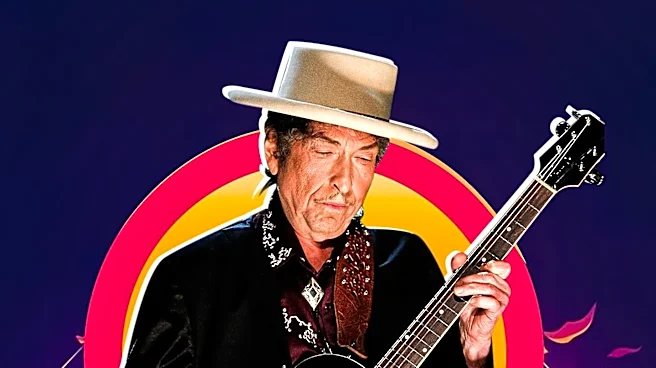
The legendary heavy metal band Judas Priest owes its iconic name to a song by folk music icon Bob Dylan. According to former band member Al Atkins, bassist Bruno Stapenhill suggested the name, drawing it from Dylan's 1967 album 'John Wesley Harding,'
specifically the track 'The Ballad of Frankie Lee and Judas Priest.' This revelation highlights an unexpected connection between two seemingly disparate musical genres. The band, known for its pioneering role in heavy metal with its distinctive sound and imagery, adopted the name after hearing that another band had changed their name to Black Sabbath, prompting them to seek a similar impactful moniker. Dylan's song itself is a mysterious, allegorical folk tune that tells the story of two friends and the challenges of temptation, with various interpretations regarding its deeper meaning.
Why It's Important?
This connection is significant as it illustrates the pervasive and often unexpected influence of artists across different musical landscapes. Bob Dylan, a figure synonymous with folk music and lyrical depth, indirectly contributed to the identity of a band that would define the heavy metal genre. This cross-genre inspiration underscores how artistic creativity can transcend stylistic boundaries, impacting cultural movements in unforeseen ways. For fans of both Dylan and Judas Priest, it offers a new perspective on the origins of a band's identity and the broader tapestry of music history. It also emphasizes the enduring legacy of Dylan's songwriting, where even a less-known track can leave a lasting mark on popular culture, shaping the narrative of a globally recognized band.
What's Next?
While the origin of Judas Priest's name is a historical fact, this information may lead to renewed interest in Bob Dylan's 'The Ballad of Frankie Lee and Judas Priest' among heavy metal fans who were previously unaware of the connection. It could also spark further discussions and analyses within musicology circles regarding the interconnectedness of musical genres and the subtle ways artists influence each other. For Judas Priest, this detail adds another layer to their rich history, potentially becoming a talking point in future interviews or documentaries about the band. The story serves as a reminder that the roots of cultural phenomena are often complex and draw from diverse sources, encouraging a deeper exploration of musical heritage.
Beyond the Headlines
The story of Judas Priest's naming convention delves into the deeper implications of artistic influence and the serendipitous nature of cultural evolution. It highlights how a single piece of art, in this case, a Bob Dylan song, can resonate in unexpected ways and contribute to the formation of an entirely different artistic entity. This phenomenon transcends mere inspiration; it speaks to the shared human experience and the universal themes that artists explore, regardless of their genre. The allegorical nature of Dylan's song, with its themes of temptation and betrayal, inadvertently lent a powerful and evocative name to a band that would become synonymous with rebellion and intensity. This demonstrates how art's meaning can be reinterpreted and repurposed, creating new narratives and legacies that extend far beyond the original creator's intent.