





What's Happening?
Film productions in south-central Kentucky, specifically Glasgow and Barren County, have generated millions of dollars in economic activity. Glasgow-Barren County Tourism Executive Director MacLean Lessenberry, who also leads the Southern Kentucky Film Commission,
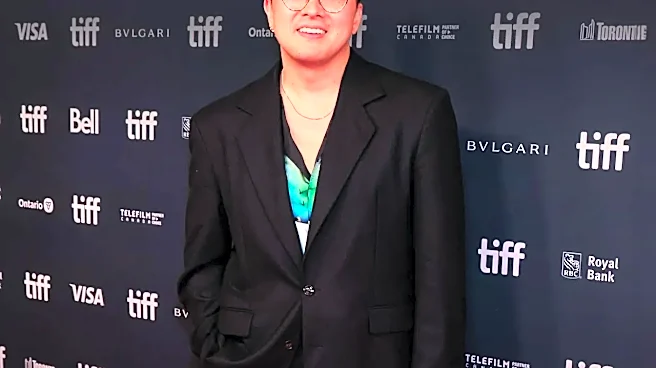
reported that three feature films shot in the area over the summer brought significant revenue to local businesses. This includes hotels, restaurants, property owners, and various service providers. The economic impact stems from production crews utilizing local accommodations, purchasing supplies and props, hiring local workers, renting filming locations, and contracting local companies for services like cleaning and transportation. One of the discussed productions is 'I Wish I Never Had Sex with Him,' a romantic comedy starring Madelaine Petsch, Chet Hanks, and Brett Dier. This film, described as combining elements of 'Groundhog Day' and 'Freaky Friday,' had its global distribution rights handled by Voltage Pictures, which launched international sales at the Toronto International Film Festival. Producer Brian Skiba, who has previously worked with the Southern Kentucky Film Commission, highlighted the community's welcoming nature and support as crucial for successful productions.
Why It's Important?
The influx of film productions is vital for the economic development of rural communities like Glasgow and Barren County in Kentucky. When a multi-million dollar production sets up in a smaller town, the funds directly circulate within the local economy, rather than being confined to the production company. This creates immediate financial benefits for a wide array of local businesses, from hospitality and retail to specialized services. The activity also diversifies the region's tourism economy, moving beyond traditional vacationers to include production crews who stay for extended periods, generating consistent demand. For individual businesses, such as Highland Social, an upscale restaurant and bar in downtown Glasgow, being rented as a filming location provides additional revenue and exposure. This model offers a sustainable way for smaller communities to attract external investment and create job opportunities, leveraging their unique locations and local resources to support a growing industry.
What's Next?
The Southern Kentucky Film Commission plans to continue promoting south-central Kentucky as an attractive filming destination. Their strategy involves highlighting the state's entertainment production incentives and the region's available locations, businesses, and workforce. The commission acts as a liaison, offering 'concierge-level service' that includes location scouting, background casting, local connections, and logistical assistance to production companies. While final economic figures for the recent Glasgow projects are still pending from the Kentucky Film Office, the success of these three feature films suggests a growing trend. This ongoing effort aims to expand the traditional definition of tourism for Glasgow and Barren County, bringing in groups of workers for weeks at a time, which generates demand for lodging, meals, transportation, and professional services. The long-term exposure from films showcasing these locations could also attract more visitors to the region.
Beyond the Headlines
The success of film productions in Glasgow and Barren County illustrates a broader shift in how rural American communities are seeking economic growth. Beyond the immediate financial gains, hosting film crews can foster a sense of community pride and provide unique experiences for residents, such as working as extras or providing services. This engagement can lead to the development of specialized local talent and infrastructure tailored to the film industry, creating a more robust and diversified local economy. Furthermore, the exposure of these communities on screen can subtly influence national perceptions, potentially boosting tourism and attracting new residents or businesses in the long run. The collaborative model, where local tourism agencies work directly with production companies, highlights an effective strategy for smaller regions to compete for and benefit from large-scale creative projects, transforming their economic landscape and cultural identity.