

What's Happening?
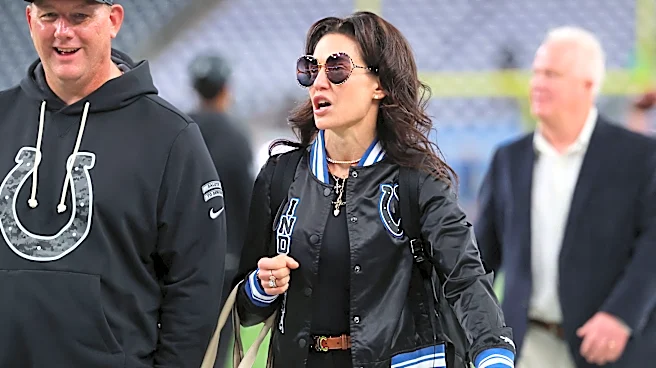
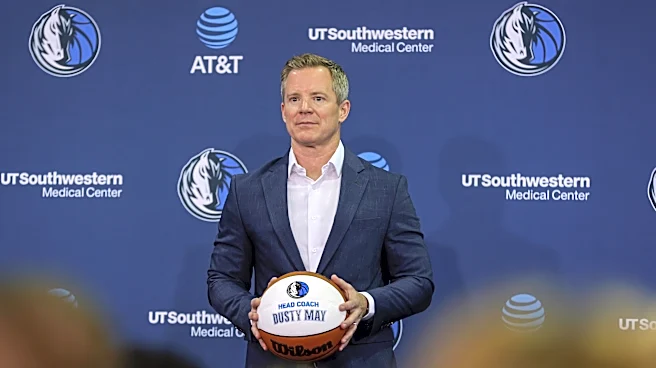
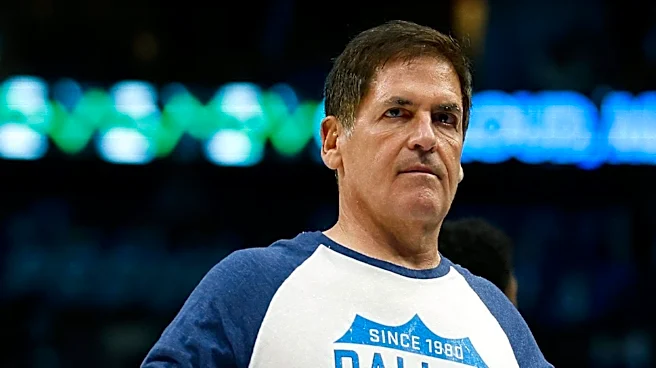
Mark Cuban, minority owner of the NBA's Dallas Mavericks, has publicly defended Carlie Irsay-Gordon, the principal owner and CEO of the Indianapolis Colts, regarding her visible presence on the NFL sidelines. Irsay-Gordon has faced scrutiny and criticism
for her sideline demeanor, which includes wearing a headset and taking notes, especially as the Colts have struggled with a 3-8 record. Cuban drew parallels to his own past practice of sitting behind the Mavericks' bench, explaining that his intention was to learn, observe interactions, and build relationships with team personnel. He stated that being close to the team allowed him to understand how people worked together, responded to situations, and felt comfortable approaching him with concerns. Cuban emphasized that his approach was about gathering information to make better decisions and that Irsay-Gordon's actions reflect an owner who cares enough not to be swayed by public opinion. This defense comes as Irsay-Gordon's sideline activities have become a significant talking point among fans and commentators.
Why It's Important?
Cuban's defense highlights a broader discussion about ownership involvement in professional sports and the scrutiny faced by team owners, particularly women in leadership roles. His perspective suggests that an owner's hands-on approach, even if unconventional, can be a valuable method for understanding team dynamics and fostering open communication. The criticism directed at Irsay-Gordon, despite her efforts to be engaged, underscores the challenges women executives face in male-dominated industries like professional sports, where their actions may be judged differently than those of their male counterparts. This situation also brings to light the pressure on owners to deliver winning results, with any perceived misstep or unusual behavior amplified during periods of poor team performance. Cuban's intervention aims to reframe the narrative around Irsay-Gordon's engagement as a positive, proactive effort rather than a distraction or an indication of meddling.
What's Next?
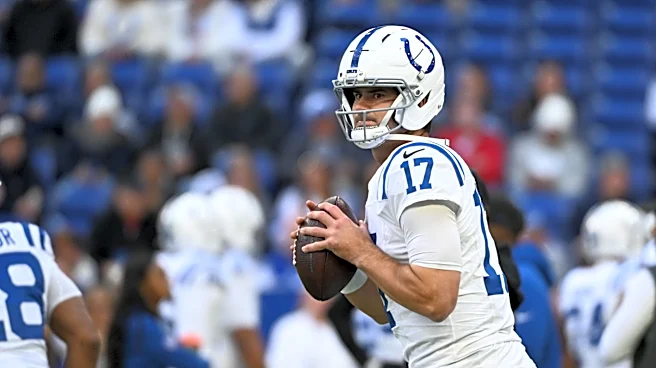
The debate surrounding Carlie Irsay-Gordon's sideline presence is likely to continue, especially as the Indianapolis Colts navigate their current season. If the team's performance improves, the scrutiny on her actions might lessen, but if struggles persist, her visibility could remain a point of contention. Cuban's public support may encourage other figures in sports to voice similar perspectives on ownership engagement, potentially shifting the conversation from criticism to a more nuanced understanding of different leadership styles. Irsay-Gordon will likely continue her current approach, as Cuban praised her for not caring what others think. The Colts' future decisions regarding their quarterback situation and overall team strategy will also be closely watched, as these are the ultimate measures by which fans and critics will judge her leadership.
Beyond the Headlines
This situation delves into the evolving landscape of sports ownership and leadership, particularly the role of women in prominent positions. The differing reactions to Irsay-Gordon's sideline presence compared to male owners like Cuban, who engaged similarly, expose underlying biases and expectations within sports culture. It raises questions about what constitutes 'appropriate' behavior for an owner and whether those standards are applied equally. Furthermore, it highlights the tension between traditional ownership roles, often perceived as more detached, and a more engaged, hands-on approach. The incident also touches on the broader theme of public perception versus actual intent in leadership, where an owner's genuine desire to learn and connect can be misconstrued or criticized, especially when team performance is subpar. This discussion contributes to the ongoing dialogue about diversity, inclusion, and equitable treatment in professional sports leadership.