








What's Happening?
Fox Corporation has announced a significant acquisition of Roku, a leading connected-television platform, for $22 billion. This move positions Fox as a major player in the U.S. television market, combining its existing news, sports, and advertising businesses
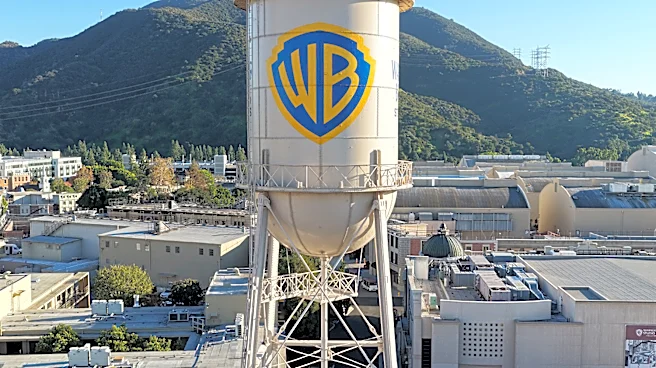
with Roku's extensive platform, which is present in half of all U.S. homes with broadband internet. The acquisition is part of a broader trend of media consolidation, highlighted by another major deal where David Ellison's $111 billion bid to merge Paramount with Warner Bros. Discovery was approved by President Trump's Justice Department. These developments mark a shift in the media landscape, focusing on control over content distribution rather than content creation itself.
Why It's Important?
The acquisition of Roku by Fox Corporation is a strategic move that underscores the growing importance of distribution control in the media industry. By acquiring Roku, Fox gains significant influence over how content is accessed and consumed by millions of Americans. This consolidation could lead to increased control over advertising and content prioritization, potentially impacting the diversity of available media content. The deal also reflects a broader trend of media consolidation, where a few powerful entities are gaining control over major content distribution channels, raising concerns about media plurality and the potential for biased content dissemination.
What's Next?
Following the acquisition, Fox Corporation is expected to integrate Roku's platform with its existing media assets, potentially enhancing its advertising capabilities and viewer engagement strategies. The merger of Paramount with Warner Bros. Discovery is also set to proceed, further consolidating media power. These moves may prompt regulatory scrutiny and public debate over media ownership and its implications for democracy and free speech. Stakeholders, including competitors and consumer advocacy groups, may push for regulatory interventions to ensure fair competition and prevent monopolistic practices in the media industry.
Beyond the Headlines
The consolidation of media power raises ethical and cultural concerns about the influence of a few corporations over public discourse. The ability to control content distribution can shape public opinion and political narratives, potentially undermining democratic processes. The trend towards media consolidation also highlights the need for robust regulatory frameworks to ensure media diversity and protect consumer interests. As traditional cable declines, the shift to digital platforms presents both opportunities and challenges for maintaining a balanced media ecosystem.