



What's Happening?
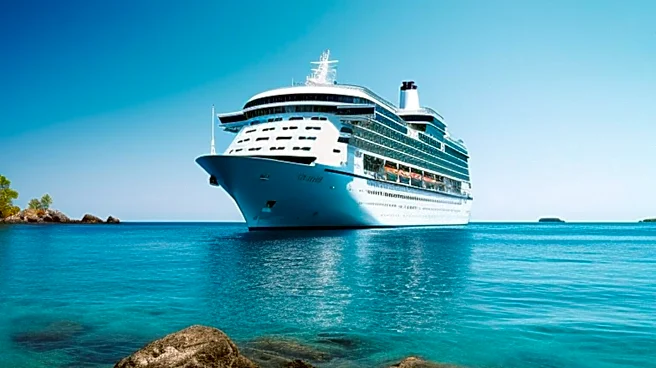
Royal Caribbean Group and Norwegian Cruise Line Holdings are reporting an increase in last-minute cruise bookings, particularly for European and Caribbean destinations. Royal Caribbean Group CEO Jason Liberty noted this trend during the company's third-quarter
earnings call on October 27, attributing stronger-than-expected close-in demand to exceeding expectations. This trend is partly driven by the growing appeal of short cruises, especially among younger travelers, with approximately half of Royal Caribbean's guests being millennials or younger. These younger travelers tend to take more frequent, shorter trips and spend as much on these as on longer itineraries. Consequently, Royal Caribbean has been able to increase prices on some sailings as departure dates approach, rather than offering discounts. Similarly, Norwegian Cruise Line Holdings reported an increase in last-minute bookings in its third-quarter results on October 29, with CEO John Chidsey citing 'extraordinary close-in demand' from consumers who delayed summer vacations. However, Norwegian is also facing pressure to maintain competitive pricing due to increased capacity in the Caribbean.
Why It's Important?
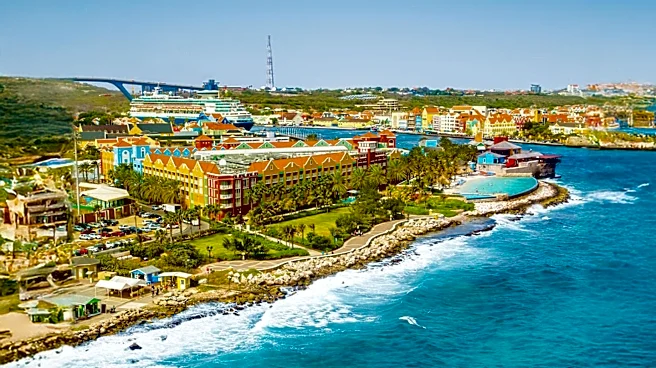
This shift in booking behavior has significant implications for the cruise industry and travelers. For cruise lines like Royal Caribbean, strong last-minute demand, particularly from younger demographics, allows them to maintain or even increase prices closer to departure, boosting revenue. This indicates a robust market for shorter, more flexible travel options. Conversely, Norwegian Cruise Line's experience highlights the challenge of balancing increased capacity with pricing strategies. The substantial increase in Caribbean passenger capacity, estimated at 11.5% in 2026 compared to the previous year, creates a competitive environment. While some travelers with flexible schedules might find last-minute deals, those with specific preferences for ships, cabin categories, or holiday sailings may need to book early to secure their desired options. This dynamic affects both the profitability of cruise operators and the affordability of cruise travel for consumers, shaping future marketing and pricing strategies across the industry.
What's Next?
The cruise industry will likely continue to adapt to these evolving booking patterns. Cruise lines may further tailor their offerings to attract younger travelers and those seeking shorter getaways, potentially leading to more diverse itinerary lengths and onboard experiences. For travelers, the decision to book early or wait for last-minute deals will depend on their flexibility and specific travel desires. The increased capacity in regions like the Caribbean suggests that competitive pricing for some itineraries may persist, offering opportunities for budget-conscious travelers. However, popular routes and premium options will likely continue to command higher prices, even for last-minute bookings. Cruise lines will also continue to invest in upgrades and new attractions, such as Norwegian's enhancements to Great Stirrup Cay, to differentiate their offerings and attract more guests, aiming to strengthen pricing and booking trends in the long term.
Beyond the Headlines
The observed trend of increased last-minute bookings reflects broader shifts in consumer behavior, particularly among younger demographics who prioritize flexibility and experiential travel. This could signal a move away from traditional, meticulously planned vacations towards more spontaneous and adaptable travel choices. The cruise industry's response to this trend, by either raising prices due to high demand or offering discounts to fill capacity, highlights the complex interplay between supply, demand, and pricing in the travel sector. Furthermore, the focus on shorter cruises and enhanced onboard experiences suggests a strategic pivot by cruise lines to cater to a wider range of traveler preferences, potentially expanding their market reach beyond traditional cruise enthusiasts. This evolution could lead to more dynamic pricing models and personalized travel packages, further blurring the lines between luxury and budget travel experiences.