



What's Happening?
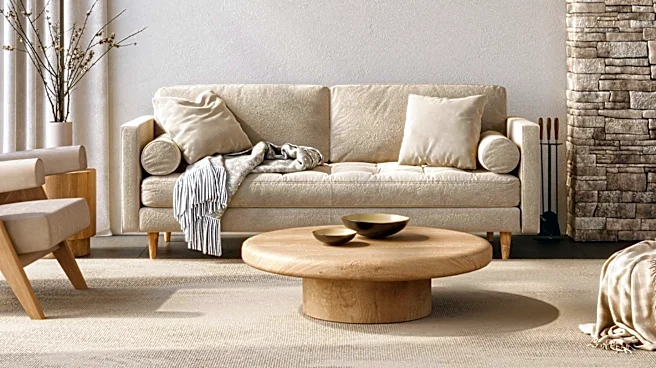
Wabi-Sabi, a Japanese aesthetic philosophy rooted in Zen Buddhism, is gaining prominence in interior design. This philosophy champions the beauty found in imperfection, impermanence, and incompleteness, moving away from mass-produced perfection. It advocates
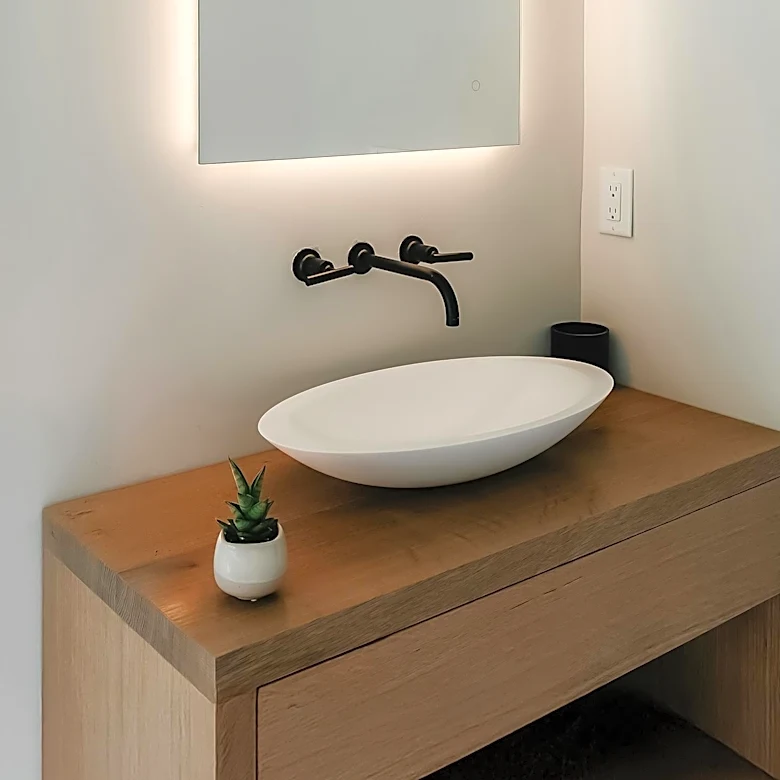
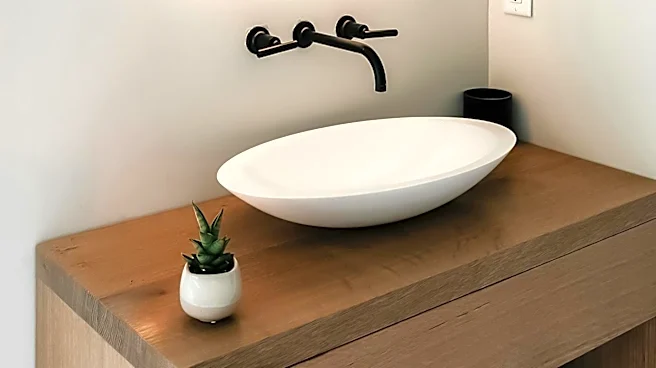
for the use of raw, natural materials such as wood, linen, hemp, natural fibers, stone, and ceramic, which highlight their inherent irregularities and the passage of time. The color palette for a Wabi-Sabi interior is inspired by nature, featuring light beige, creamy whites, earthy browns, and olive greens. Accessories are chosen for their contemplative simplicity, often including vintage items that possess a unique history and character, rather than adhering to seasonal trends.
Why It's Important?
The growing interest in Wabi-Sabi reflects a broader societal shift towards valuing authenticity, sustainability, and mindfulness in daily life. In an era dominated by mass production and fleeting trends, this aesthetic offers an alternative that promotes longevity and a deeper connection to natural elements. For U.S. consumers and the interior design industry, this trend could lead to increased demand for handcrafted goods, vintage furniture, and natural, unprocessed materials. It encourages a more conscious approach to consumption, potentially boosting local artisans and businesses that specialize in unique, imperfect items. This philosophy also challenges the conventional pursuit of flawless design, fostering an appreciation for the stories and character embedded in aged or imperfect objects.
What's Next?
The continued adoption of Wabi-Sabi principles is likely to influence product development and marketing strategies within the U.S. home goods and design sectors. Manufacturers may increasingly focus on producing items with visible textures, natural variations, and a handmade feel. Retailers might curate collections that emphasize natural materials, muted color palettes, and vintage-inspired pieces. Design professionals are expected to integrate Wabi-Sabi elements into their projects, creating spaces that evoke tranquility and a sense of history. Educational initiatives and workshops on sustainable living and mindful design could also see a rise in popularity, further embedding these values into consumer consciousness.
Beyond the Headlines
Beyond its aesthetic appeal, Wabi-Sabi embodies a philosophical stance that can impact personal well-being and cultural perspectives. By embracing imperfection, individuals may find greater contentment and reduce the pressure to achieve unattainable ideals in their living spaces and lives. This philosophy encourages a slower pace of life, fostering contemplation and an appreciation for the transient nature of existence. Culturally, it represents a cross-pollination of Eastern philosophy into Western design, promoting a more holistic view of beauty that extends beyond superficial appearances. The emphasis on natural materials and longevity also aligns with growing environmental consciousness, encouraging sustainable practices and reducing waste in interior design.