





What's Happening?
The Hagerman National Wildlife Refuge in Sherman, Texas, has announced a series of activities and volunteer opportunities for August. The refuge is seeking volunteers for various roles, including greeting visitors, maintaining the Butterfly Garden, and joining
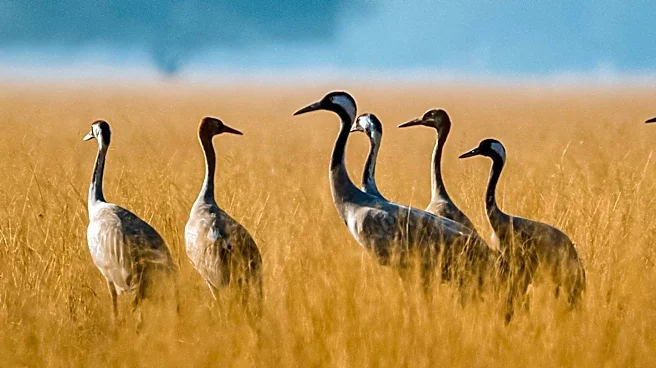
the Outdoor Crew for trail maintenance. Key events include 'The Little Sit,' a bird-watching event on August 1, and 'Refuge Rocks,' a youth program on August 15 focusing on soil ecosystems. Additionally, Dr. Thomas Stidham will present a talk on birds as living dinosaurs on August 8. These activities aim to engage the community in environmental education and conservation efforts.
Why It's Important?
The activities and volunteer opportunities at Hagerman National Wildlife Refuge play a crucial role in promoting environmental awareness and conservation. By involving the community in hands-on activities, the refuge fosters a deeper understanding of local ecosystems and the importance of preserving natural habitats. Educational programs like 'Refuge Rocks' and bird-watching events help cultivate a new generation of environmental stewards. The refuge's efforts also support biodiversity by maintaining habitats for various species, contributing to broader conservation goals. Engaging volunteers not only aids in the refuge's operations but also strengthens community ties and encourages civic participation in environmental initiatives.
What's Next?
As the refuge continues its activities, it will likely focus on expanding its volunteer base and enhancing its educational programs. Future events may include additional workshops, guided tours, and conservation projects, providing ongoing opportunities for community involvement. The refuge's success in these endeavors could serve as a model for other conservation areas, highlighting the benefits of community engagement in environmental preservation. Stakeholders, including local schools, environmental groups, and government agencies, may collaborate with the refuge to further its mission and increase its impact on regional conservation efforts.