




What's Happening?
Teamsters President Sean O'Brien has issued a strong warning to United Parcel Service (UPS), indicating a potential strike in 2028 when the current contract expires. O'Brien, in a series of podcasts, accused UPS CEO Carol Tomé and her management team
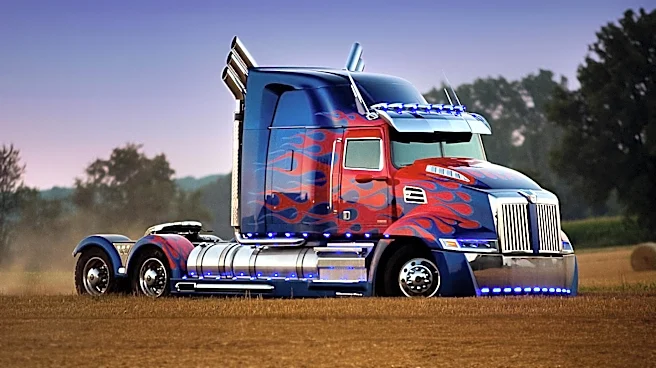
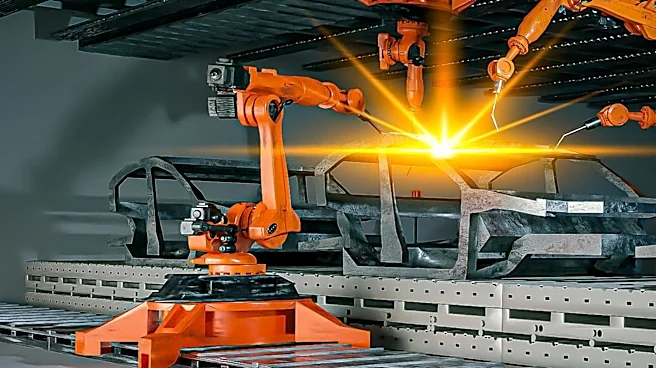
of being out of touch with workers' needs and prioritizing profits over employees. Key issues driving the union's aggressive stance include the company's plans for automation, particularly the use of autonomous feeder trucks, and alleged outsourcing of last-mile delivery to non-union subsidiaries like Roadie and Happy Returns. The Teamsters also plan to fight legislatively against autonomous vehicles on a state-by-state basis. O'Brien emphasized that the union will demand 'no automation' in the upcoming negotiations and is prepared to strike to protect and improve healthcare and pension benefits, as well as increase wages for part-time workers. The current contract, ratified in August 2023, was valued at $30 billion and included significant wage increases and non-economic changes.
Why It's Important?
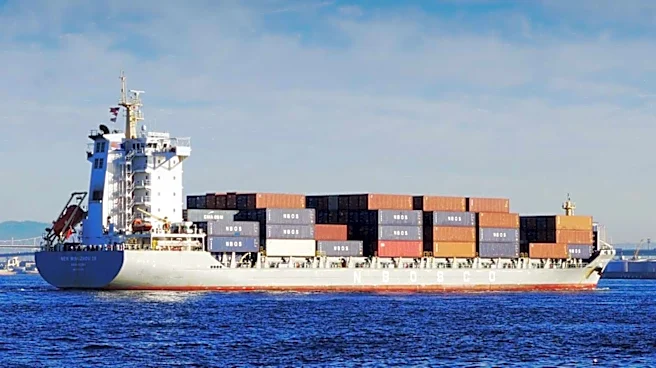
A potential strike by the Teamsters against UPS in 2028 carries significant economic and political implications for the U.S. UPS delivers over 16 million packages daily, accounting for approximately 17% of the total domestic volume, and its global volume represents an estimated 5% to 6% of U.S. GDP. A work stoppage could severely disrupt supply chains for about 1.5 million business customers, especially during peak shipping seasons and holidays. The union's demands regarding automation and autonomous vehicles could set a precedent for labor negotiations across other industries facing similar technological advancements. The dispute also highlights the ongoing tension between corporate efforts to reduce costs through automation and labor unions' fight to protect jobs and worker benefits. The outcome of these negotiations could influence future labor relations and the adoption of new technologies in the logistics sector, impacting both the cost of goods and the stability of employment for a large segment of the workforce.
What's Next?
The Teamsters plan to launch their next contract campaign in the fall of 2027, with President O'Brien already drawing battle lines through public statements and podcasts. The union intends to demand the right to strike over deadlocked grievances in every single grievance procedure across the country, a significant shift from most current union contracts that prohibit strikes during the life of the agreement. They will also continue to fight against the use of autonomous vehicles legislatively at the state level. UPS, for its part, has stated its commitment to working with the Teamsters and running a safe, reliable, and successful business. However, some industry observers suggest that UPS might welcome a strike as an opportunity to address rising labor costs. The union is also encouraging members to save money in preparation for a potential strike, indicating a high likelihood of a work stoppage if their demands are not met. The negotiations will likely be contentious, with both sides preparing for a prolonged battle.
Beyond the Headlines
The escalating rhetoric between the Teamsters and UPS goes beyond typical contract negotiations, revealing deeper ideological clashes over the future of work and corporate responsibility. The union's strong stance against automation and outsourcing reflects a broader concern about job displacement due to technological advancements and the gig economy. This conflict highlights the ethical dilemma companies face in balancing efficiency and profitability with the welfare of their long-term employees. The Teamsters' focus on protecting healthcare and pension benefits, alongside increasing wages for part-time workers, underscores the growing pressure on corporations to provide equitable compensation and benefits in an era of rising living costs. The union's aggressive approach, including the demand for the right to strike over grievances, could signal a more confrontational era in labor relations, potentially influencing other unions to adopt similar tactics to safeguard worker interests against corporate strategies perceived as detrimental to the workforce.