






What's Happening?
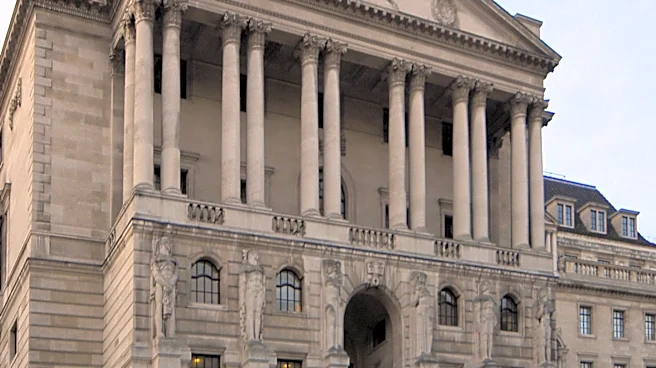
The Bank of England has announced a significant policy change, stating it will no longer accept bonds linked to the coal industry as collateral for key loan arrangements. This decision, effective from October, is part of a broader effort to address climate
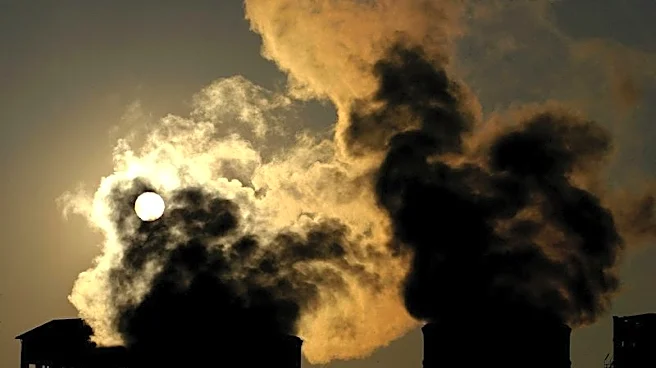
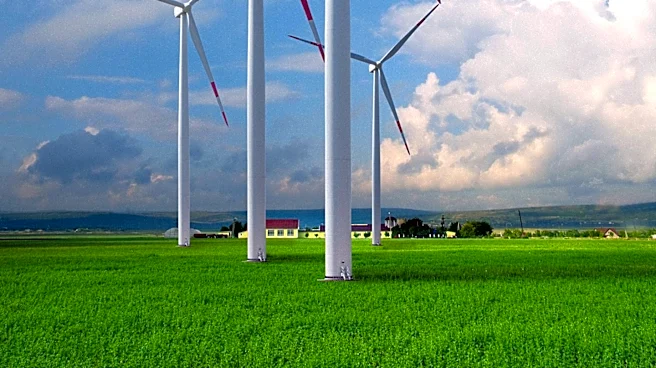
change by reducing reliance on fossil fuels. The move is seen as a victory for climate campaigners who have long targeted thermal coal, a major source of pollution, for its environmental impact. The Bank's policy suggests that bonds associated with thermal coal are now considered too risky, reflecting a global shift towards greener energy solutions. This policy is more stringent than those of many other central banks, including the European Central Bank, and aims to protect the Bank against financial risks associated with the transition to a net-zero economy.
Why It's Important?
This policy change by the Bank of England is a strong signal to the financial markets and could influence commercial banks to reconsider their investments in coal-related assets. By refusing to accept coal-linked bonds, the Bank is not only mitigating its own financial risks but also encouraging a shift in the financial sector towards more sustainable investments. This move aligns with global efforts to combat climate change and could accelerate the transition to renewable energy sources. The decision also highlights the growing influence of climate activism on financial policies and the increasing recognition of environmental risks in economic planning.
What's Next?
The effectiveness of the Bank of England's new policy will depend on its implementation details, such as how it calculates climate-related financial risks. There is potential for the policy to expand beyond thermal coal to include other environmentally harmful activities. The decision comes amid a challenging political climate, particularly in the U.S., where there is resistance to green policies. The Bank's approach may serve as a model for other central banks and financial institutions, potentially leading to broader changes in how financial risks related to climate change are managed.