



What's Happening?
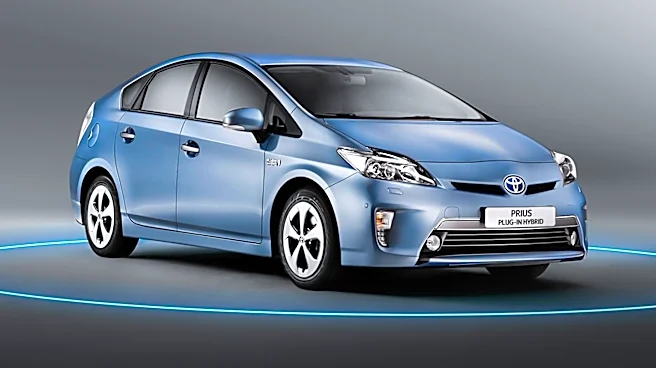
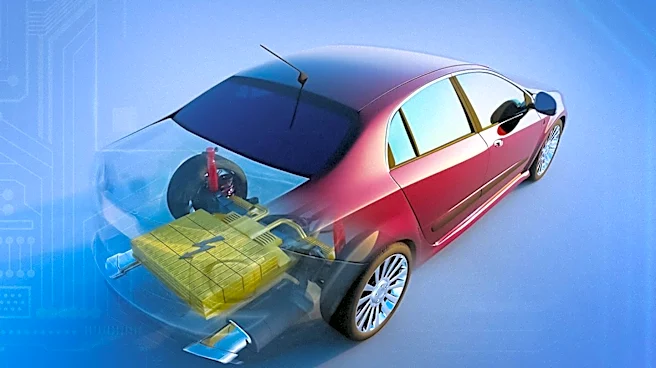
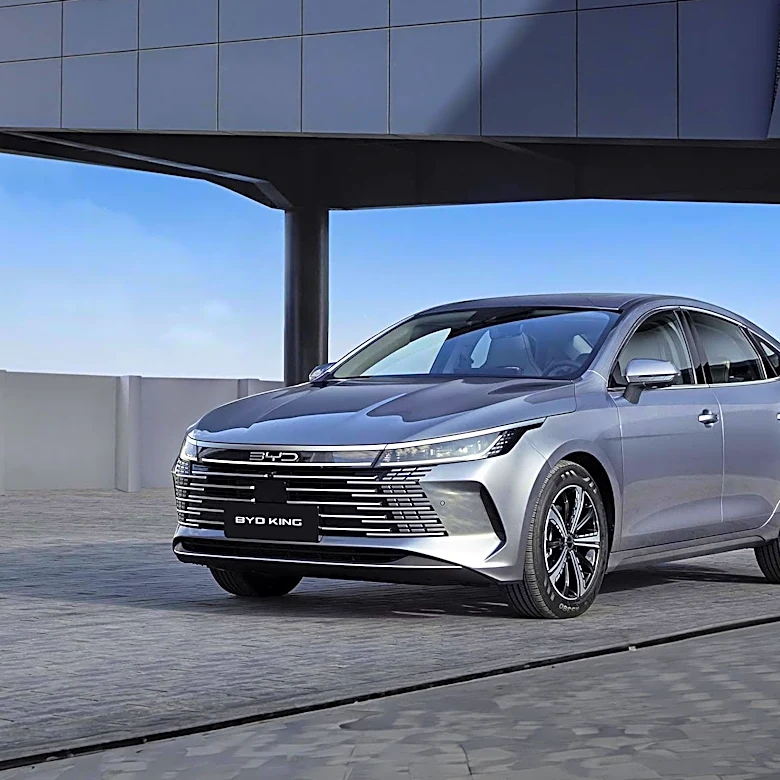
The automotive industry is witnessing a significant shift towards practical electrification, with hybrid vehicles becoming a mainstream growth strategy. Automakers are expanding their hybrid offerings to meet the increasing consumer demand for lower emissions
and better fuel economy without altering familiar driving habits. This trend reflects a move from rapid disruption to steady evolution, as manufacturers extend existing vehicle models with hybrid powertrains. Consumers are prioritizing flexibility and reliability, valuing technologies that improve everyday driving while requiring minimal lifestyle adjustments. The market is responding by focusing on practical value, with hybrid vehicles offering an accessible way to reduce fuel consumption and emissions while preserving familiar ownership experiences.
Why It's Important?
The shift towards hybrid vehicles is significant as it represents a pragmatic approach to electrification, balancing consumer demand for sustainability with the need for convenience and affordability. This trend is reshaping the automotive industry by emphasizing practical innovation over technological novelty. As consumers increasingly seek risk-free solutions, hybrid vehicles provide a bridge between traditional gasoline and fully electric vehicles, allowing for a gradual transition towards sustainable mobility. This approach not only supports environmental goals but also aligns with economic uncertainties, offering immediate financial benefits and long-term flexibility. The industry's focus on practical electrification is likely to drive growth across multiple sectors, including manufacturing, retail, and mobility services.
What's Next?
As the demand for hybrid vehicles continues to grow, automakers are expected to further expand hybrid availability across various vehicle segments. This expansion will likely involve integrating hybrid systems into existing models to accelerate market adoption while reducing development costs. The industry will also focus on enhancing consumer confidence by simplifying vehicle selection and providing transparent information about fuel savings and ownership costs. Additionally, the development of flexible mobility solutions and consultative sales experiences will be crucial in supporting consumers' transition towards electrified mobility. The ongoing evolution of hybrid technology will require manufacturers to balance innovation with practicality, ensuring that hybrid vehicles remain a competitive and attractive option for consumers.