
What's Happening?
Dr. Ganesh Kumar, Consultant Orthopaedic Spine Surgeon at Dr. Mehta’s Hospitals, warns that hybrid work models are contributing to an increase in musculoskeletal issues, particularly 'tech neck.' This
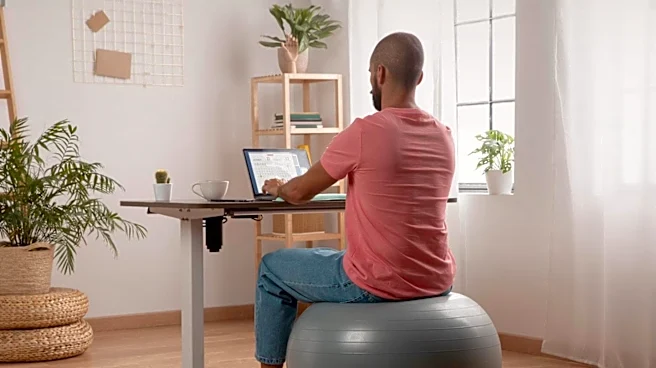
condition arises from prolonged screen time, poor workstation ergonomics, and limited movement, leading to neck pain, stiffness, and sometimes nerve-related symptoms like tingling or numbness in the arm. Dr. Kumar notes that while office environments often provide dedicated workstations, working from home frequently involves adapting to suboptimal setups, such as using laptops on dining tables or sofas. This lack of proper ergonomic support exacerbates the strain on neck and shoulder muscles, which are forced to work harder to maintain forward-tilted head postures for extended periods.
Why It's Important?
The rise of 'tech neck' and related musculoskeletal problems due to hybrid work has significant implications for employee health and productivity across U.S. industries. For businesses, this translates to potential increases in healthcare costs, absenteeism, and reduced employee efficiency. Employees suffering from chronic pain may experience decreased job satisfaction and a higher risk of long-term health complications. This issue highlights a critical oversight in the rapid transition to hybrid work: the neglect of ergonomic considerations in home office setups. Addressing this requires a proactive approach from employers to educate employees on proper ergonomics and provide resources for creating healthier remote workspaces, ultimately safeguarding employee well-being and maintaining operational continuity.
What's Next?
To mitigate the health risks associated with hybrid work, Dr. Kumar suggests several preventative measures. These include positioning screens at eye level, using external keyboards and mice with laptops, and ensuring arms and shoulders are relaxed with proper support. Crucially, he emphasizes the importance of taking regular movement breaks to avoid prolonged static postures. Employees are advised to be mindful of persistent pain and seek medical advice if symptoms continue or worsen. Employers may need to invest in ergonomic assessments for remote workers, offer subsidies for ergonomic equipment, and implement wellness programs focused on physical health. The long-term success of hybrid work models will depend on integrating health and safety considerations into workplace policies and practices.
Beyond the Headlines
The 'tech neck' phenomenon underscores a broader societal challenge: the physical toll of an increasingly digital and sedentary lifestyle. Beyond the immediate health concerns, it raises questions about the responsibility of employers in ensuring the well-being of their remote workforce. This issue could lead to new legal precedents regarding occupational health and safety in non-traditional work environments. Culturally, it may prompt a re-evaluation of work habits, encouraging a greater emphasis on physical activity and mindful posture throughout the day. The development of smart office technologies that monitor posture and prompt movement could become more prevalent. Ultimately, addressing 'tech neck' requires a holistic approach that combines individual awareness, employer support, and technological innovation to create healthier and more sustainable work practices in the digital age.