




What's Happening?
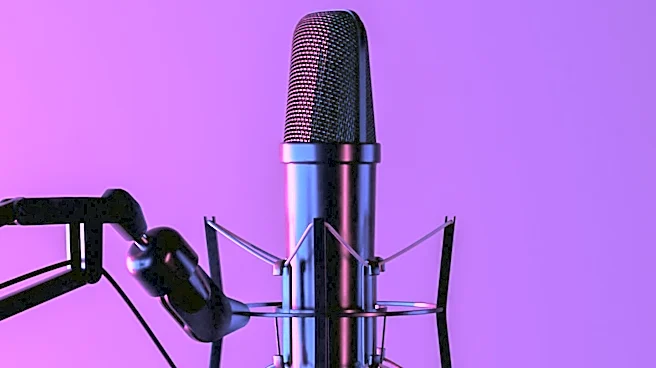
A comprehensive guide has been released detailing podcast starter kits for beginners, categorized by budget: $150, $400, and $1,000. Each kit outlines the essential equipment needed, including microphones, headphones, mic mounts, and methods to connect
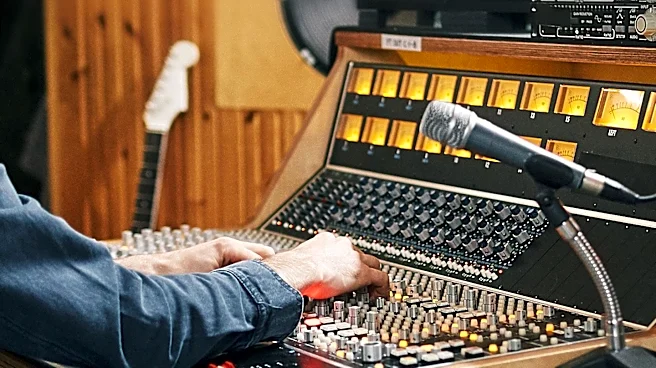
to a computer. The $150 kit is designed for a single person recording into a laptop, featuring a Samson Q2U microphone and Audio-Technica ATH-M20x headphones. The $400 kit expands to accommodate two people in the same room, typically using two USB microphones. The $1,000 kit introduces a console for two hosts, providing individual preamps, headphone jacks, and separate tracks for each speaker, often utilizing XLR microphones like the Rode PodMic USB with a RØDECaster Duo or Zoom PodTrak P4next. The guide emphasizes the importance of separate tracks for each voice to facilitate independent editing and noise reduction, and advises against using analog mixers that combine voices onto a single track.
Why It's Important?
This detailed breakdown of podcasting equipment is crucial for individuals and small businesses in the U.S. looking to enter the burgeoning podcast market. By providing clear, budget-specific options, the guide lowers the barrier to entry for new creators, enabling them to produce high-quality audio without significant upfront investment or technical expertise. The emphasis on separate audio tracks highlights a professional standard that can significantly improve the listener experience, making podcasts more competitive in a crowded digital landscape. This information empowers creators to make informed purchasing decisions, avoiding unnecessary expenses and ensuring their initial setup supports future growth. For the audio equipment industry, such guides can drive sales of recommended products and influence purchasing trends among new podcasters, potentially boosting demand for specific microphones, headphones, and recording interfaces.
What's Next?
The availability of clear, budget-friendly equipment guides is likely to encourage more individuals and small businesses to start podcasts, leading to an increase in diverse content. This could further democratize media creation, allowing a wider range of voices and topics to reach audiences. Equipment manufacturers may respond by developing more user-friendly and cost-effective solutions tailored to the beginner podcasting market. Additionally, as more people enter the space, there might be an increased demand for editing software, audio engineering services, and educational resources on podcast production. The guide's advice on avoiding common pitfalls, such as shared microphones or analog mixers, could also elevate the overall production quality of new podcasts, setting a higher standard for audio content in the U.S.
Beyond the Headlines
The detailed equipment recommendations reflect a broader trend towards professionalization within the DIY content creation sphere. As podcasting matures, audiences expect higher production values, even from independent creators. This guide, by focusing on technical quality and efficient workflows, implicitly encourages creators to treat their podcasts as serious media endeavors. The discussion of USB versus XLR microphones and the benefits of dedicated consoles or recorders also highlights the evolving technological landscape of audio production, making professional-grade tools more accessible. This shift could lead to a more competitive and innovative podcasting ecosystem, where technical proficiency becomes as important as compelling content, ultimately enriching the auditory experience for listeners and fostering a more sophisticated audio media industry.