






What's Happening?
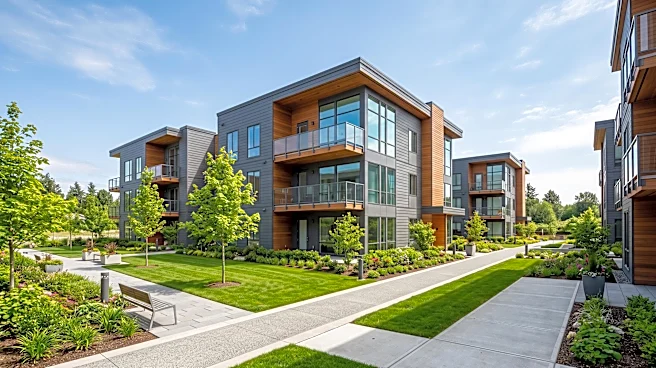
Yonkers Mayor Mike Spano has announced a new First-Time Homebuyer Down Payment Assistance Program designed to help eligible residents purchase homes in the city. The program offers financial assistance of up to 19% of the purchase price for single-family
homes, condominiums, and cooperative apartments. This aid is structured as an interest-free loan with no monthly payments, which is forgiven after five years if the homebuyer meets the program's requirements. The initiative aims to address the challenge many families face in saving for a down payment. The city does not plan to cap the number of beneficiaries, and funding for the program is in place without using City of Yonkers taxpayer money. The program is a partnership with Westchester Residential Opportunities, Inc. (WRO), a HUD-approved housing counseling agency, which will provide education, counseling, and application assistance to prospective homebuyers. Applicants must have a gross household income at or below 120% of the area median income, meet first-time homebuyer criteria, secure a mortgage, and have a qualifying connection to Yonkers, such as living there for at least 12 months or owning a local business. Buyers are required to contribute at least 1% of the purchase price towards the down payment and cover closing costs.
Why It's Important?
This program is significant for Yonkers as it directly addresses a major barrier to homeownership: the down payment. By offering substantial financial assistance, the city aims to make homeownership more accessible for its residents, fostering community stability and economic growth. The initiative could particularly benefit middle-income families and individuals who might otherwise be priced out of the housing market in a high-cost area like Westchester County. Increased homeownership can lead to greater civic engagement, neighborhood revitalization, and wealth building for residents. The partnership with Westchester Residential Opportunities, Inc. ensures that homebuyers receive not only financial aid but also crucial education and counseling, preparing them for the responsibilities of homeownership. This comprehensive approach helps mitigate risks for both the buyers and the city, promoting sustainable homeownership. The program's design, with a forgivable, interest-free loan, provides a strong incentive for long-term residency and investment in the community.
What's Next?
Westchester Residential Opportunities, Inc. (WRO) has scheduled in-person and virtual information sessions for prospective applicants on November 9 and November 12, respectively, to provide details about the program and guide them through the application process. Interested individuals must complete required first-time homebuyer education and counseling and receive program participation approval before entering into a property purchase contract. The city will be responsible for reviewing eligibility and approving assistance. The success of this program will likely be monitored closely, and its impact on homeownership rates and community development in Yonkers will be assessed over time. Depending on its effectiveness, similar models could be considered in other areas facing affordability challenges. The program's ongoing funding and the number of families it ultimately assists will be key indicators of its long-term success and potential for expansion.
Beyond the Headlines
The Yonkers First-Time Homebuyer Down Payment Assistance Program reflects a growing trend among local governments to address housing affordability crises through innovative financial incentives. While Mayor Spano acknowledges that the program won't solve every affordability challenge, it represents a tangible step towards empowering residents to achieve the 'American dream' of homeownership. This initiative could serve as a case study for other municipalities grappling with similar issues, demonstrating how strategic partnerships and targeted financial aid can make a significant difference. Beyond the immediate economic benefits, fostering homeownership can have profound social impacts, including increased community engagement, reduced residential turnover, and enhanced local pride. The program's emphasis on education and counseling also highlights a holistic approach to housing stability, recognizing that financial assistance alone may not be sufficient for long-term success. This model could inspire broader discussions about the role of local government in supporting housing accessibility and equity.