
What's Happening?
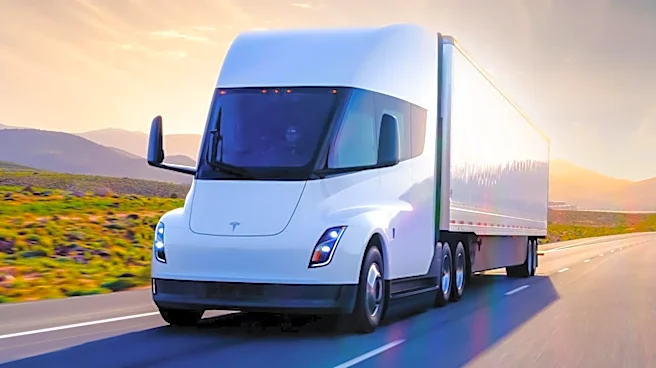
Tesla has officially confirmed the upcoming European launch of its Semi electric truck. The company will unveil specific details, including specifications and launch information, at the IAA Transportation
event in Hannover, Germany, scheduled from September 15-20. A Tesla Semi will be on display at the show. This announcement follows previous indications of Tesla's intent to bring the Semi to Europe, with the IAA event now framed as the official launch venue. While specific European range figures, pricing, and on-sale dates are yet to be released, the mechanical aspects of the European Semi are expected to mirror the models currently being built in Nevada. These U.S. models include a Standard Range version with an estimated 325 miles (523 km) and a Long Range version offering 500 miles (800 km), both featuring an 800-kW tri-motor drivetrain delivering 1,072 hp and capable of 1.2-MW Megacharger speeds. In the U.S., the Long Range Semi is priced at approximately $290,000 and the Standard Range at around $260,000, positioning them as the lowest-priced Class 8 battery-electric tractors in that market.
Why It's Important?
The European launch of the Tesla Semi signifies a significant expansion for Tesla into the international heavy-duty electric truck market, potentially disrupting established European manufacturers. This move could intensify competition within the electric commercial vehicle sector, pushing innovation and potentially accelerating the adoption of electric trucks across the continent. For U.S. operations, the successful expansion into Europe could validate Tesla's production capabilities and business model for the Semi, which has seen its first units roll off the high-volume production line at Gigafactory Nevada in April. The Nevada plant is designed to produce 50,000 trucks annually, and a strong European market presence would further solidify the credibility of Tesla's volume production. The U.S. market has already seen substantial orders, such as Einride's 500-truck order for its North American fleet and PepsiCo's deployment of nearly 100 Semis in California. The performance and cost advantages Tesla claims in the U.S. market, if replicated in Europe, could set new benchmarks for electric heavy-duty transport globally, influencing future product development and pricing strategies for both U.S. and European manufacturers.
What's Next?
The immediate next step will be the IAA Transportation event in Hannover, Germany, where Tesla is expected to reveal comprehensive details regarding the European specifications, pricing in euros, and the manufacturing location for the European Semis. Following this announcement, the focus will shift to the actual market entry and the establishment of the necessary infrastructure, including service networks and charging solutions, to support the Semi in Europe. Tesla will need to address the existing competitive landscape, as European manufacturers like Mercedes-Benz, Volvo Trucks, MAN, Scania, Renault Trucks, and DAF already have battery-electric Class 8 tractors in production and delivery, supported by established service networks and dealer support. The success of the European launch will depend on how well Tesla can translate its perceived cost and range advantages from the U.S. market into the European context and build out the required support infrastructure to compete effectively with entrenched local players.
Beyond the Headlines
The entry of the Tesla Semi into the European market carries broader implications beyond immediate sales figures. It represents a significant step in the global transition towards sustainable freight transportation, potentially accelerating the decarbonization of the logistics sector. The competition from Tesla could compel European manufacturers to further innovate and improve their electric truck offerings, leading to more efficient and cost-effective solutions for businesses. This could also influence regulatory frameworks and incentives for electric vehicles in Europe, potentially creating a more favorable environment for EV adoption. Furthermore, the expansion highlights the increasing globalization of the electric vehicle industry, where innovations and market strategies developed in one region can quickly impact others. The challenge for Tesla will be to adapt its U.S.-centric model to the diverse regulatory, cultural, and logistical landscapes of European countries, including establishing robust charging infrastructure and after-sales support, which are critical for the widespread adoption of heavy-duty electric vehicles.