


What's Happening?
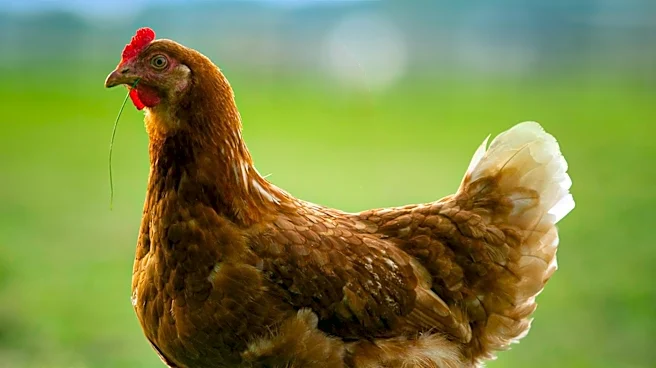
Chickens played a vital role in early American farms, particularly during the mid-19th century, due to their versatility and ease of care. As settlers moved west, chickens were a practical choice for pioneers, providing a reliable source of food and income.
They required minimal space and resources compared to larger livestock, making them ideal for families establishing new homesteads. Chickens supplied fresh eggs and meat, and their economic value extended to trade with neighbors and local merchants. This historical significance is echoed in the modern resurgence of backyard chicken farming.
Why It's Important?
Understanding the historical importance of chickens in American agriculture provides insight into the development of farming practices and rural economies. Chickens' adaptability and economic utility were crucial for pioneers, contributing to the success of early settlements. The resurgence of backyard chicken farming today reflects a growing interest in sustainable food production and a connection to agricultural heritage. This trend highlights the ongoing relevance of small-scale farming practices in contemporary society, emphasizing the value of self-sufficiency and local food systems.