







What's Happening?
A recent viral social media post by a recruiting agency president criticized Generation Z job applicants for bringing iced lattes to job interviews, deeming it unprofessional. This perspective, rooted in traditional interview etiquette, has ignited a discussion
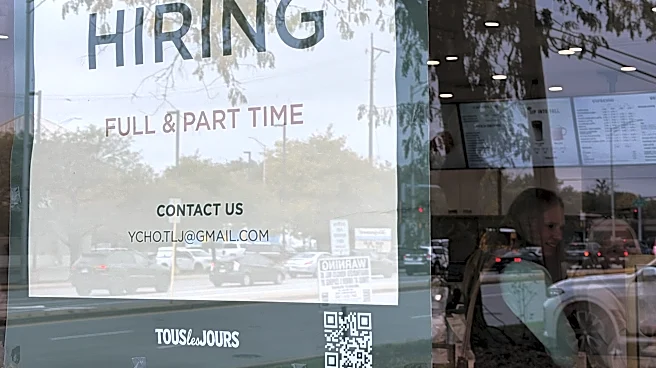
about current job market realities. The article highlights that the present job market is exceptionally difficult, with many job seekers facing greater challenges than during the Great Recession. While the Labor Department's JOLTS survey indicates a stagnant market with few new openings and layoffs, different sectors are experiencing varied conditions. For instance, white-collar workers in business and professional services are in a precarious position due to economic uncertainty, tariffs, and AI-related job reductions. The author suggests that while optimizing interviews is important, job seekers should approach advice with skepticism, especially when it attributes systemic failures to individual choices.
Why It's Important?
This discussion is important because it underscores a significant disconnect between traditional professional expectations and the current realities faced by job seekers, particularly Gen Z. The criticism of a seemingly minor act like bringing an iced coffee to an interview, while historically considered unprofessional, is being re-evaluated in the context of a historically challenging job market. This situation highlights the pressure on job seekers to navigate an environment where securing employment is increasingly difficult, and where even minor perceived missteps can be amplified. It also brings to light the broader economic anxieties affecting white-collar workers, who are grappling with job insecurity driven by technological advancements like AI and global economic factors. The debate reflects a generational clash in workplace norms and the evolving nature of professionalism in a competitive and uncertain economic landscape.
What's Next?
The ongoing debate is likely to continue shaping discussions around workplace etiquette and hiring practices. Recruiters and employers may need to re-evaluate traditional expectations in light of the current job market and the evolving norms of younger generations. Job seekers, particularly Gen Z, will likely continue to navigate a challenging landscape, potentially leading to further innovation in job search strategies and a greater emphasis on skill development and adaptability. The conversation may also prompt more critical examination of job search advice, encouraging job seekers to discern between helpful guidance and potentially outdated or unhelpful criticisms. This could lead to a shift in how professionalism is defined and perceived in the hiring process, moving towards a more flexible and understanding approach.
Beyond the Headlines
Beyond the immediate discussion of interview etiquette, this situation points to deeper societal and economic shifts. The criticism of Gen Z's interview behavior can be seen as a symptom of a broader generational divide in expectations and values within the professional sphere. It highlights the pressure on younger generations to conform to established norms while simultaneously facing unprecedented economic challenges and a rapidly changing work environment. The emphasis on individual choices over systemic failures, as noted in the article, raises ethical questions about accountability in a difficult job market. This scenario also subtly touches upon the cultural impact of social media, where individual opinions can quickly go viral and spark widespread debate, influencing public perception of professional conduct and generational characteristics. Ultimately, it reflects a period of significant transition in the labor market and societal norms.