


What's Happening?
Early screenings of David Fincher's new film, 'The Further Mis-Adventures of Cliff Booth,' have sparked controversy and speculation regarding the use of generative AI in its visuals. Viewers have reported 'uncanny, inconsistent visuals' that they describe
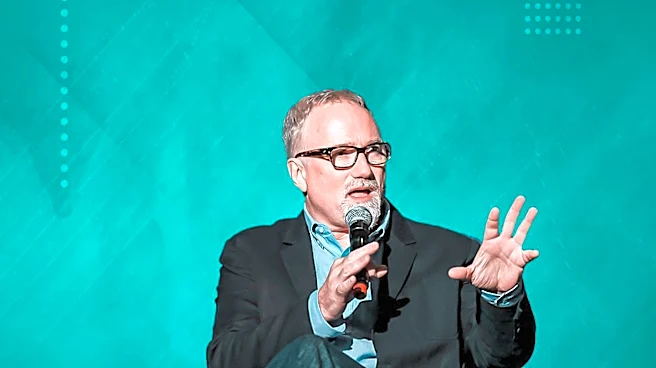
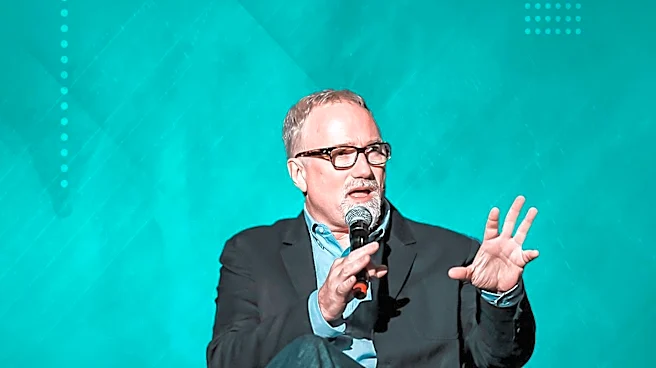
as 'blatant and egregious AI use,' leading to a significant backlash on social media. The film, a sequel to 'Once Upon a Time in Hollywood' starring Brad Pitt, is being criticized for visuals that some describe as 'slop' rather than the polished work expected from Fincher, known for his meticulous attention to detail. Netflix, the film's distributor, has not confirmed or denied the use of AI. However, Netflix's recent acquisition of InterPositive, a startup specializing in AI models for generating film assets, has fueled suspicions. Fincher himself, in an interview with the Los Angeles Times, expressed a non-Luddite stance on AI, stating, 'I’m not a Luddite, so I don’t fear the unknown,' and questioned the resistance to technological iteration in art.
Why It's Important?
The controversy surrounding 'The Further Mis-Adventures of Cliff Booth' highlights a growing tension within the entertainment industry regarding the adoption of artificial intelligence in filmmaking. If confirmed, the widespread use of generative AI in a high-profile film by a renowned director like David Fincher could set a precedent, potentially normalizing AI integration in major studio productions. This development is crucial for U.S. industries, particularly Hollywood, as it touches upon artistic integrity, job security for traditional artists and technicians, and the evolving definition of cinematic quality. The backlash from viewers and critics underscores a public apprehension towards AI-generated content, especially when it compromises visual consistency and artistic polish. For Netflix, a company that has invested significantly in AI technology, this situation could either validate its strategic direction or expose the risks associated with pushing technological boundaries in creative fields. The debate also reflects broader societal concerns about the impact of AI on creative professions and the authenticity of artistic output.
What's Next?
The film is scheduled to premiere on November 25th, and the ongoing debate about AI use is likely to intensify as more viewers see the movie. Netflix's official stance or a detailed explanation regarding the production techniques employed could be anticipated, especially if the public outcry continues. The controversy may prompt further discussions within the Directors Guild of America, the Writers Guild of America, and other industry unions about guidelines and regulations for AI use in film production, potentially leading to new policies or collective bargaining agreements. Filmmakers and studios might face increased pressure to disclose their use of AI, impacting transparency in the creative process. Furthermore, the reception of 'The Further Mis-Adventures of Cliff Booth' could influence future investment decisions in AI technologies within the entertainment sector, with companies potentially re-evaluating the balance between technological innovation and audience acceptance.
Beyond the Headlines
The allegations against 'The Further Mis-Adventures of Cliff Booth' delve into profound ethical and philosophical questions about authorship and authenticity in art. If AI is indeed used to generate significant portions of a film's visuals, it blurs the lines of who or what constitutes the 'artist.' This raises concerns about the devaluation of human creative labor and the potential for a 'race to the bottom' in production costs, where AI-generated content could replace human artists. The debate also touches upon the 'uncanny valley' phenomenon, where AI-generated visuals, while technically proficient, fail to capture the subtle nuances that make human-created art resonant, leading to a sense of unease or artificiality. This incident could accelerate a cultural shift in how audiences perceive and value cinematic art, potentially leading to a demand for 'human-made' labels or certifications in the future. The long-term implications could see a redefinition of 'director's vision' and the role of technology in shaping artistic expression.