



What's Happening?
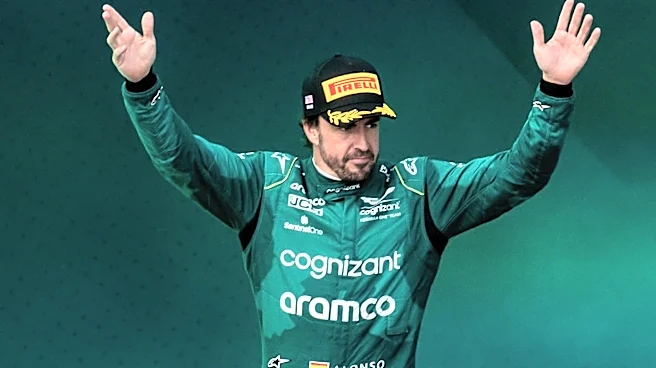
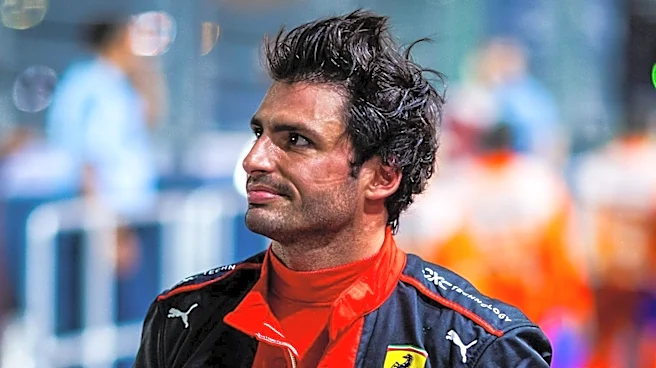
Formula 1 driver Carlos Sainz Jr. has publicly defended the current talent level of the F F1 grid, particularly those in the latter half, following critical comments made by Fernando Alonso. Sainz stated that he believes the current grid represents the 'highest
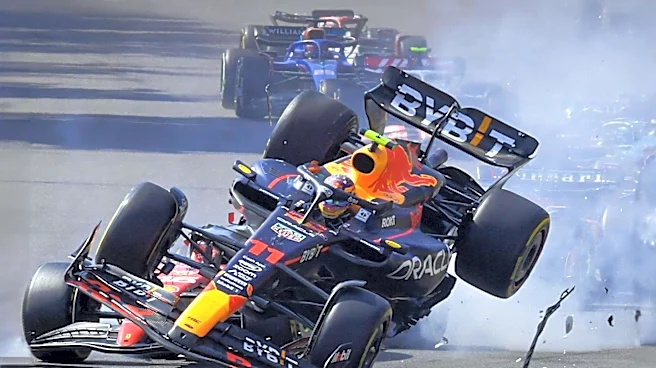
level of talent' in his 12 years in the sport, asserting that no driver on the grid falls below the Formula 1 standard. He acknowledged that incidents might be more frequent at the back of the grid due to circumstantial factors like 'dirty air' and the 'concertina effect,' rather than a lack of driver quality. Sainz, who has found himself battling in the midfield this year, expressed that it is not enjoyable to be in that position but emphasized that all drivers in that segment possess the talent to compete for podiums and wins. His remarks came after Alonso questioned the driving standards at the back of the grid following a collision with Alexander Albon at the US Grand Prix.
Why It's Important?
This discussion among prominent Formula 1 drivers highlights a significant debate within the sport regarding driver quality and the nature of competition, particularly in the midfield and back of the grid. Sainz's defense of his peers underscores a collective sentiment among many drivers that the current talent pool is exceptionally strong, challenging the perception that incidents are solely due to individual skill deficiencies. This perspective could influence how race stewards and the FIA (Fédération Internationale de l'Automobile) view on-track incidents, potentially leading to a more nuanced understanding of racing dynamics. For teams and sponsors, a highly competitive grid, even at the back, suggests a more engaging product for fans, which can translate into increased viewership and commercial interest. Conversely, if the perception of lower driving standards persists, it could impact the sport's image and potentially lead to stricter regulations on aggressive driving, affecting the racing spectacle.
What's Next?
The ongoing debate about driving standards and grid talent is likely to continue to be a talking point in upcoming Formula 1 press conferences and driver briefings. While no immediate policy changes are expected, the collective voice of drivers like Sainz, Albon, and others could prompt further internal discussions within the FIA and F1 management regarding race incident reviews and driver conduct guidelines. Teams will continue to evaluate driver performance, and the competitive nature of the grid will undoubtedly influence future driver market decisions. The focus will remain on how drivers navigate the challenges of close-quarters racing, especially in the more congested parts of the field, and whether the perceived increase in incidents leads to any adjustments in racing rules or interpretations.
Beyond the Headlines
Beyond the immediate competitive implications, this discussion touches upon the broader evolution of Formula 1 as a sport. The assertion that 'pay drivers' are no longer prevalent suggests a shift towards a more meritocratic system, where talent is the primary determinant for securing a seat. This could have long-term positive effects on the sport's credibility and the quality of racing. However, it also highlights the immense pressure on drivers, particularly those in less competitive cars, to take risks to make an impact, which can inherently lead to more incidents. The 'dirty air' and 'concertina effect' mentioned by Sainz also point to the aerodynamic challenges and car performance disparities that continue to shape racing dynamics, prompting ongoing efforts by F1 to design cars that promote closer racing. This underlying tension between driver skill, car performance, and racing regulations will remain a critical aspect of the sport's development.