

What's Happening?
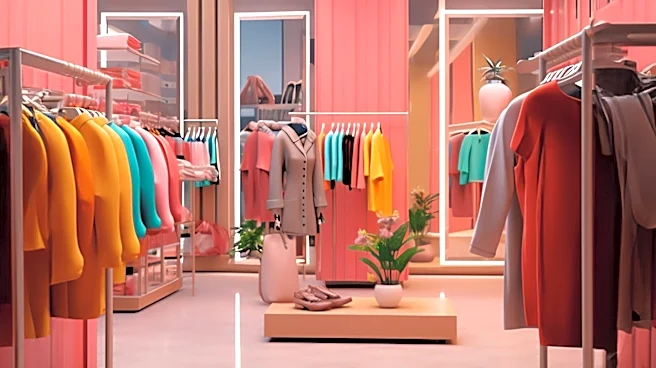
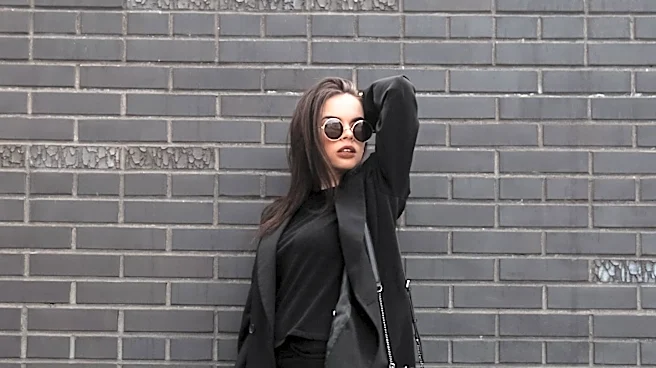
Microtrends, characterized by their rapid rise and fall in popularity, are increasingly influencing personal style, particularly through social media platforms like TikTok and Instagram. These trends often lead to widespread adoption of specific aesthetics,
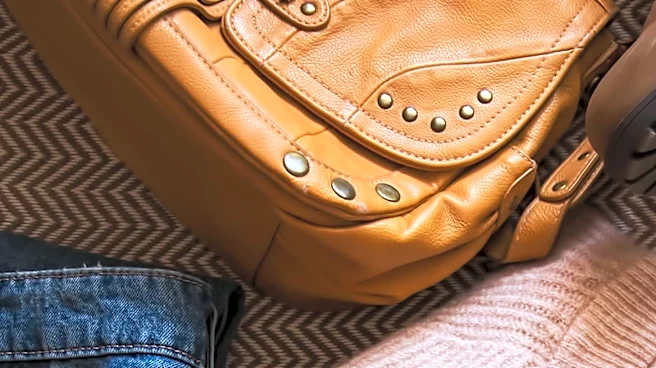
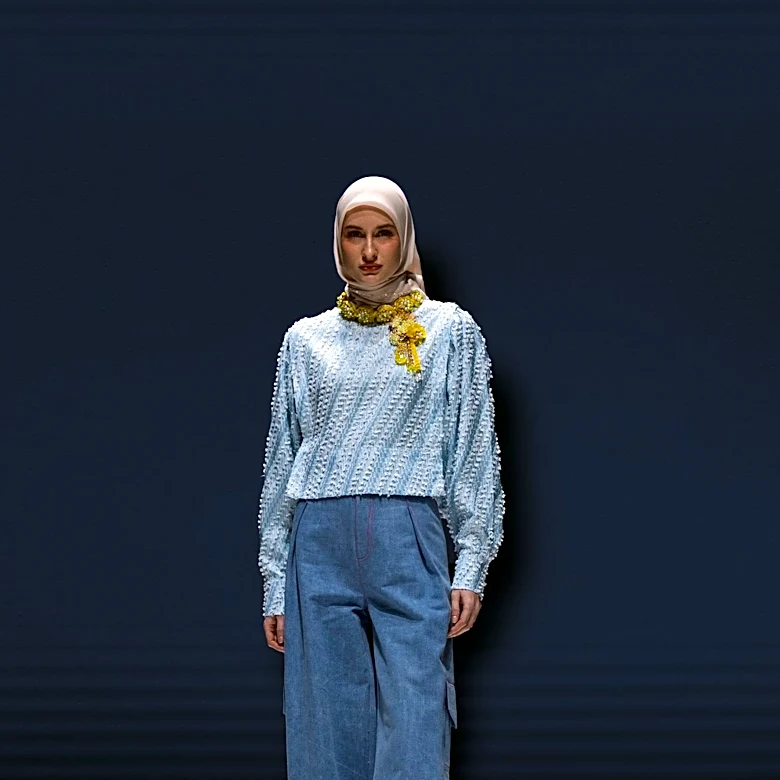
accessories, and outfits, creating a pressure to constantly acquire new items to stay current. This phenomenon raises questions about whether individuals are truly expressing themselves or simply conforming to fleeting online trends. While microtrends can introduce new styles and inspire creativity, their transient nature can result in wardrobes filled with quickly outdated items, potentially diminishing the uniqueness of personal fashion choices. The rapid cycle of these trends often makes it challenging for individuals to cultivate a distinct and lasting personal style, as the focus shifts from genuine self-expression to adherence to popular social media aesthetics.
Why It's Important?
The prevalence of microtrends holds significant implications for the fashion industry and consumer behavior in the U.S. The constant demand for new, trend-driven items fuels a fast fashion cycle, contributing to environmental concerns related to production waste and consumption. For consumers, this creates a financial burden and a sense of dissatisfaction as purchases quickly become obsolete. The emphasis on conformity over individuality can also impact self-perception and confidence, as individuals may feel pressured to align with popular aesthetics rather than developing a style that genuinely reflects their personality. This shift in consumer mindset could lead to a decline in brand loyalty for companies that fail to adapt to the rapid pace of trends, while also creating opportunities for brands that prioritize timelessness, sustainability, or customizable options. The broader societal impact includes a potential homogenization of fashion expression, making it harder for individuals to use clothing as a unique form of identity.
What's Next?
As microtrends continue to shape the fashion landscape, consumers may increasingly seek alternatives that promote individuality and sustainability. This could lead to a greater emphasis on 'vibe-based' fashion, where individuals focus on feelings or themes rather than specific, short-lived trends. Fashion brands and retailers might respond by offering more versatile, high-quality pieces designed for longevity, or by promoting customization and personal styling services. There could also be a growing movement towards conscious consumption, with consumers prioritizing ethical production and sustainable materials. Social media platforms, which currently accelerate microtrends, might also evolve to support more diverse and enduring fashion expressions, potentially through features that highlight unique styles or encourage creative repurposing of existing wardrobes. The ongoing dialogue around personal style versus trend adherence will likely continue to influence both industry practices and individual fashion choices.
Beyond the Headlines
The discussion around microtrends extends beyond mere fashion choices, touching upon deeper cultural and psychological implications. The pressure to conform to rapidly changing aesthetics can be seen as a reflection of broader societal anxieties about identity and belonging in the digital age. The constant pursuit of the 'next big thing' fostered by social media can contribute to a culture of disposability, not just in fashion but in other aspects of life. Ethically, the fast fashion model driven by microtrends often relies on exploitative labor practices and unsustainable resource consumption, raising questions about corporate responsibility and consumer complicity. Culturally, the homogenization of style can stifle creativity and diversity, potentially leading to a less vibrant and expressive society. Understanding these underlying dynamics is crucial for fostering a more sustainable, ethical, and individually empowering approach to fashion and consumption.