


)

What's Happening?
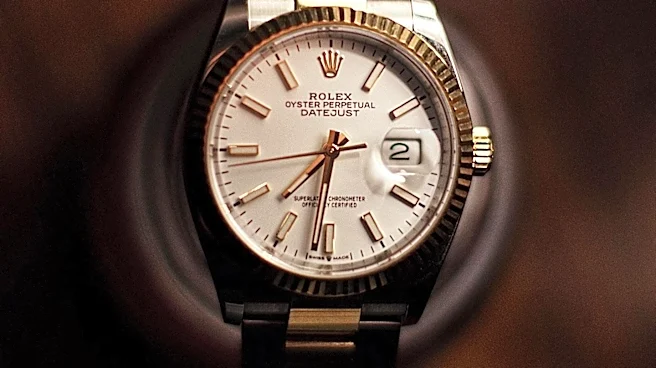
Throughout history, watches have played a significant role in fashion, serving as symbols of status and reflections of cultural values. From the maximalist designs of the 1980s to the minimalist styles of the 1990s, timepieces have evolved alongside fashion trends.
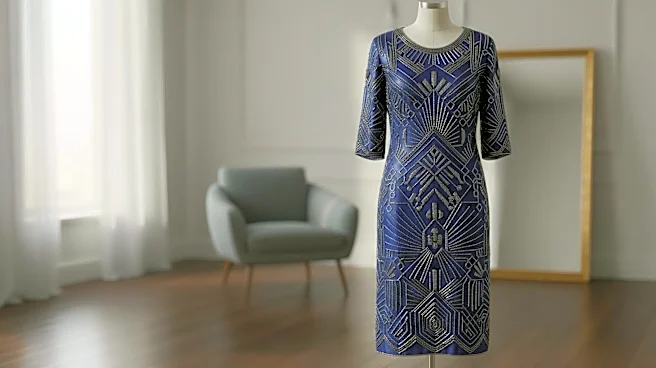
The Art Deco movement in the 1920s and 1930s introduced geometric precision to watch designs, while post-war sophistication in the 1950s emphasized refined restraint. The minimalist turn of the 1970s and 1980s saw watches become more accessible, with clean dials and simple hour markers. Today, watches continue to be integral to fashion, with a resurgence of interest in vintage and heritage pieces that offer authenticity and proven staying power.
Why It's Important?
Watches are more than just accessories; they are indicators of cultural values and aesthetic philosophies. As fashion evolves, timepieces provide insight into what an era values, from excess and visibility to understated luxury and minimalism. The enduring relevance of watches in fashion highlights the importance of quality and craftsmanship, offering a solution to the paradox of fast fashion and sustainability. By investing in meaningful watches, individuals can anchor their wardrobes across multiple decades, suggesting a preference for authenticity over novelty. This trend is significant for fashion-conscious individuals seeking to build timeless wardrobes that reflect personal style and values.