



What's Happening?
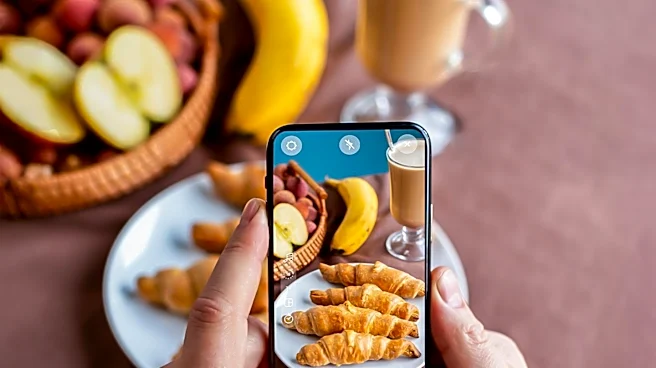
Social media platforms are profoundly influencing the food industry, driving viral food trends that reshape consumer demand and innovation strategies, according to FoodNavigator.com. Miriam Aniel Oved, head of integrated marketing at Tastewise, notes
that social and behavioral data from these platforms allow brands to identify emerging consumer tastes months before they appear in traditional sales reports. This accelerated pace of change means manufacturers must look beyond fleeting crazes to understand the underlying consumer needs, such as indulgence or texture. For instance, Dubai chocolate saw its retail sales peak five months after consumer demand surged online, demonstrating a valuable planning window for manufacturers. While influencers often spark initial excitement, large restaurant chains and mass retailers are typically the biggest commercial beneficiaries due to their ability to rapidly scale availability. Gen Z consumers are particularly influential, driving the discovery and sharing of new products, which can quickly transition from niche online trends to mainstream appeal.
Why It's Important?
This shift in trend identification and consumer behavior has significant implications for the U.S. food industry. Companies that effectively leverage social media data can gain a competitive edge by anticipating market shifts and developing products that align with evolving consumer preferences. However, a strategy focused solely on chasing every viral trend can lead to wasted production capacity and diluted brand loyalty if products are rushed to market after consumer interest has waned. The ability of large retailers and quick-service restaurants to capitalize on these trends highlights the importance of supply chain agility and scale. For manufacturers, understanding the 'why' behind viral trends—the deeper consumer needs—is crucial for creating products with lasting appeal, moving beyond short-term hype to sustainable market success. This dynamic also underscores the growing power of younger consumers, particularly Gen Z, in shaping the future of food innovation and consumption patterns.
What's Next?
Food manufacturers are expected to increasingly integrate social media monitoring and behavioral data analytics into their product development cycles. This will involve investing in advanced data analysis tools and expertise to discern lasting consumer needs from transient trends. Strategic partnerships between manufacturers and retailers will become more critical, with manufacturers providing proactive consumer insights to help buyers capture market share. The focus will likely shift from simply reacting to trends to proactively identifying underlying demands and developing innovative products that meet those needs. Furthermore, as Gen Z continues to drive discovery, brands will need to cultivate authentic engagement with these consumers on social media, potentially through collaborations with creators and by fostering communities around their products. The industry will also need to balance the speed required to capitalize on viral moments with the careful planning needed for scalable and sustainable product launches.
Beyond the Headlines
The 'viral food economy' reflects a broader cultural shift where consumer preferences are increasingly shaped by digital interactions and shared online experiences. This phenomenon blurs the lines between entertainment, social connection, and consumption, transforming food from mere sustenance into a form of social currency. The ethical implications of data collection on consumer eating habits and the potential for algorithmic influence on dietary choices are emerging considerations. Moreover, the rapid rise and fall of food trends could lead to increased food waste if manufacturers overproduce items based on fleeting popularity. On the other hand, this data-driven approach could also foster greater responsiveness to diverse consumer demands, promoting more inclusive and personalized food offerings. The challenge for the industry will be to harness the power of social media for innovation while maintaining authenticity, sustainability, and consumer well-being.