





What's Happening?
Mortgage rates in the U.S. have seen an increase, reversing a recent downward trend, following the release of October's inflation data, which indicated higher-than-expected price increases. According to Mortgage News Daily, rates climbed by 12 basis points
on Thursday, reaching 7.42%. This rise follows another 12-basis-point increase on Tuesday, prompted by new inflation figures showing broad price hikes across various goods and services. The bond market was closed on Wednesday for Veterans Day. Treasury yields, which directly influence mortgage rates, have been rapidly increasing as investors express concerns about the Federal Reserve's effectiveness in controlling inflation. Despite this recent surge, Freddie Mac's survey data indicated that mortgage rates had dropped for the fourth consecutive week to 7.11% for the week ending Wednesday, just as the latest bond market shifts began. Before the inflation surprise, the 10-year Treasury yield had been falling as investors sought safer assets amidst a downturn in tech stocks, contributing to the weekly average decline.
Why It's Important?
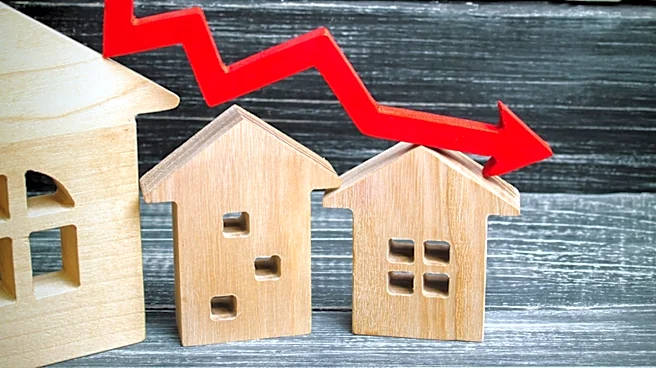
The recent uptick in mortgage rates poses significant challenges for prospective homebuyers across the U.S. Realtor.com senior economist Jiayi Xu highlighted that current homebuyers are facing pressure from both elevated mortgage rates and high inflation, identifying inflation as the more substantial long-term issue. Higher interest rates directly translate to increased monthly mortgage payments, reducing affordability and potentially pricing some buyers out of the market. This situation could lead to a slowdown in the housing market, impacting real estate agents, lenders, and construction companies. The volatility in rates, driven by inflation concerns and investor reactions to Federal Reserve policies, creates uncertainty for those planning to purchase or refinance homes. The interplay between inflation, Treasury yields, and mortgage rates underscores the broader economic environment's direct influence on individual financial decisions and the housing sector's health.
What's Next?
The trajectory of mortgage rates will largely depend on future inflation data and the Federal Reserve's monetary policy decisions. If inflation remains elevated, the Federal Reserve may continue its hawkish stance, potentially leading to sustained high interest rates. This could further dampen housing demand and prolong affordability challenges for homebuyers. Conversely, any signs of cooling inflation could lead to a stabilization or even a decrease in mortgage rates, offering some relief to the housing market. Stakeholders, including potential homebuyers, real estate professionals, and financial institutions, will closely monitor upcoming economic indicators and Federal Reserve announcements for clues on future rate movements. The current environment suggests continued vigilance is necessary for anyone involved in the housing market, as rates are likely to remain sensitive to economic shifts.
Beyond the Headlines
The current mortgage rate environment reflects a broader economic tension between controlling inflation and maintaining economic growth. The Federal Reserve's dual mandate of price stability and maximum employment means it must carefully balance its policies. High mortgage rates, while intended to cool an overheating economy, can disproportionately affect first-time homebuyers and those with limited financial flexibility, exacerbating wealth inequality. The long-term implications could include a shift in homeownership demographics, with a potential increase in rental demand if purchasing becomes too prohibitive. Furthermore, the reliance on Treasury yields as a benchmark for mortgage rates highlights the interconnectedness of global financial markets and domestic housing affordability. This situation underscores the complex economic forces at play, where macroeconomic policies have direct and tangible impacts on the daily lives and financial aspirations of American households.