









What's Happening?
Jonathan and Ashley Longnecker, along with their four children, are constructing a self-sufficient home in the Arizona desert. Their project, known as Tiny Shiny Home, involves building a house using hyperadobe, a natural construction method that utilizes
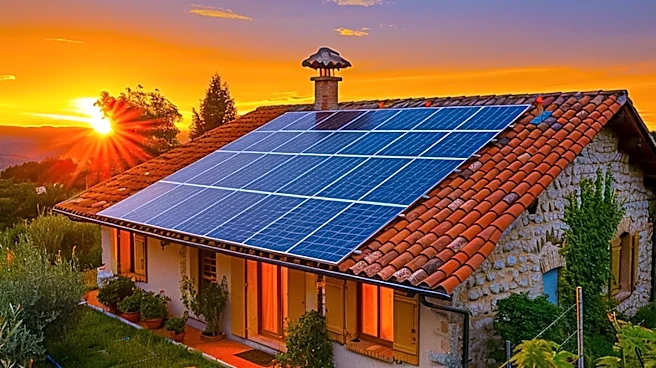
long mesh tubes filled with compacted soil. This approach allows them to use local materials and reduce reliance on external resources. The family aims to live off-grid, relying on solar power for energy and rainwater harvesting for water needs. Their journey began with selling their previous home and traveling in a renovated Airstream trailer before settling on 11 acres of undeveloped land in southeastern Arizona. The Longneckers document their progress online, sharing insights into off-grid living and sustainable building practices.
Why It's Important?
The Longneckers' project highlights a growing trend towards sustainable living and self-sufficiency, particularly in the face of rising housing costs and environmental concerns. By using local materials and renewable energy, they are reducing their carbon footprint and demonstrating an alternative approach to modern housing. This initiative could inspire others to consider similar sustainable practices, potentially influencing housing policies and encouraging the development of eco-friendly communities. The project also serves as an educational resource, offering practical insights into the challenges and rewards of off-grid living.
What's Next?
As the Longneckers continue to develop their homestead, they plan to refine their water and energy systems to ensure long-term sustainability. Their ongoing documentation of the project will likely attract more attention and possibly inspire similar initiatives. The success of their project could lead to increased interest in hyperadobe construction and other sustainable building methods, potentially influencing future housing developments in arid regions.
Beyond the Headlines
The Longneckers' project raises important questions about the future of housing and resource consumption. By prioritizing sustainability and self-sufficiency, they challenge conventional notions of comfort and convenience. This approach may encourage a cultural shift towards valuing resourcefulness and environmental stewardship. Additionally, their emphasis on family involvement and education highlights the potential for such projects to foster community and resilience.