





What's Happening?
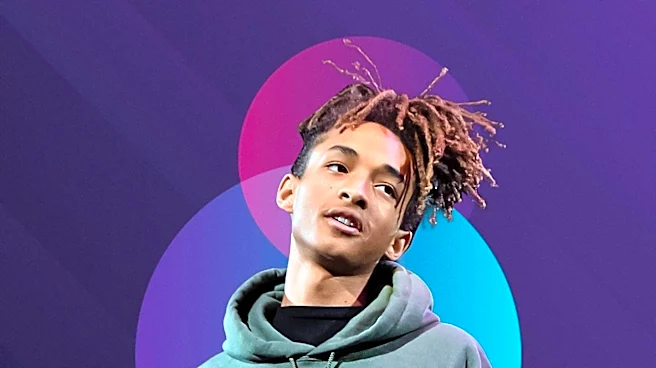
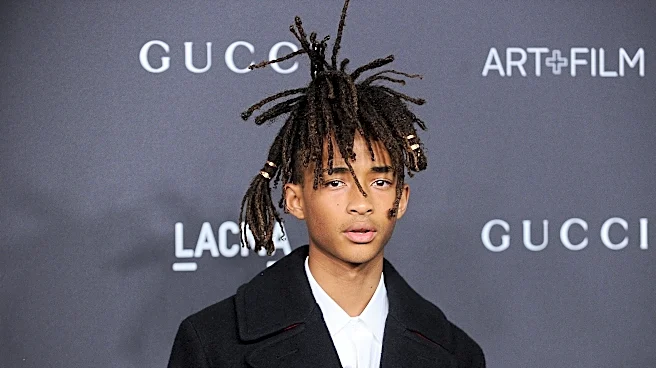
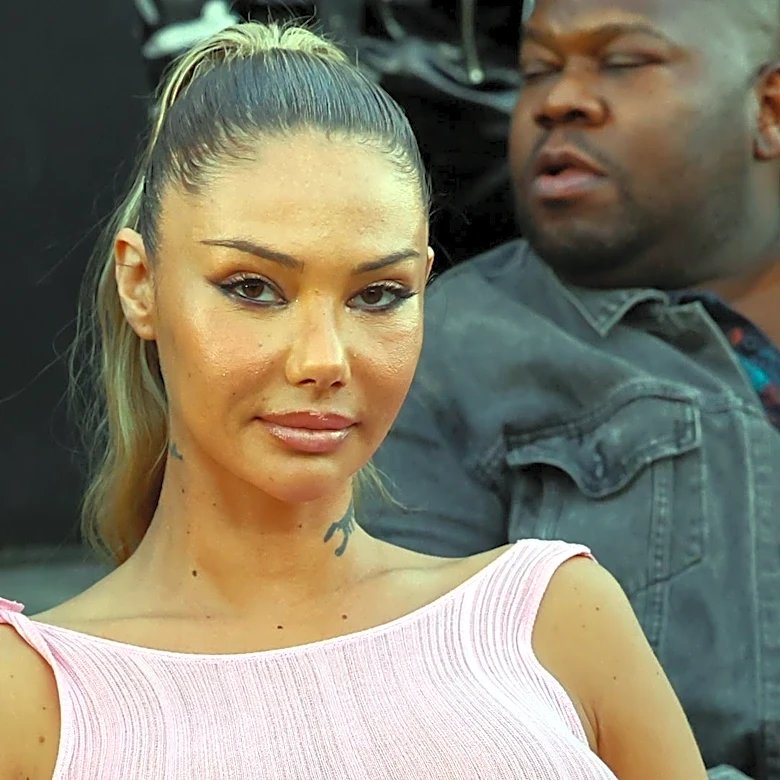
Social media has been abuzz with rumors claiming that Jaden Smith, the 28-year-old son of actor Will Smith, is romantically involved with 82-year-old French fashion entrepreneur Michele Lamy. These rumors, which gained traction through various social
media posts, suggested a relationship and even an engagement between the two, despite a 54-year age gap. Photographs and videos purportedly showing them in intimate moments, such as holding hands and kissing, circulated widely, fueling the speculation. However, a fact-check by ABC 10 News has classified these claims as false. The visuals circulating online have been identified as fabricated, with some reportedly being AI-generated or digitally altered versions of unrelated images. Neither Jaden Smith nor Michele Lamy has confirmed any romantic involvement, and there is no verified evidence to support the dating claims. Michele Lamy is also reportedly married to American fashion designer Rick Owens, with whom she co-founded Owenscorp, though there are media reports suggesting a separation.
Why It's Important?
This incident highlights the growing challenge of misinformation and fabricated content, particularly AI-generated visuals, on social media platforms. The rapid spread of unverified claims, even those involving public figures, can lead to widespread confusion and potentially damage reputations. For the entertainment industry and public figures like Jaden Smith, such rumors can necessitate public clarification and divert attention from their professional endeavors. The ease with which fabricated images and videos can be created and disseminated underscores the need for critical media literacy among social media users. It also raises questions about the responsibility of social media platforms in curbing the spread of such deceptive content, especially when it involves personal lives and potentially misleading narratives about individuals.
What's Next?
As the rumors have been debunked, it is likely that the immediate wave of speculation will subside. However, the incident serves as a precedent for how quickly and effectively fabricated content can spread online. Social media platforms may face continued pressure to implement more robust mechanisms for identifying and flagging AI-generated or manipulated media to prevent similar occurrences. For public figures, this event reinforces the ongoing need to address and clarify misinformation promptly. The broader conversation around digital ethics and the impact of AI on public perception is expected to continue, with potential discussions on how to better educate the public about discerning authentic content from fabricated narratives.
Beyond the Headlines
The proliferation of AI-generated content, as seen in this case, presents significant ethical and societal challenges. The ability to create convincing but entirely false images and videos blurs the lines between reality and fiction, making it increasingly difficult for the public to trust online information. This incident could contribute to a broader erosion of trust in visual media, impacting journalism, public discourse, and personal interactions. Legally, the use of AI to create and disseminate fabricated content that harms an individual's reputation could lead to discussions about new regulations or legal frameworks to address digital defamation and the misuse of AI technology. Culturally, it underscores a shift towards a more skeptical approach to online content, where verification and critical analysis become even more crucial skills for navigating the digital landscape.