






What's Happening?
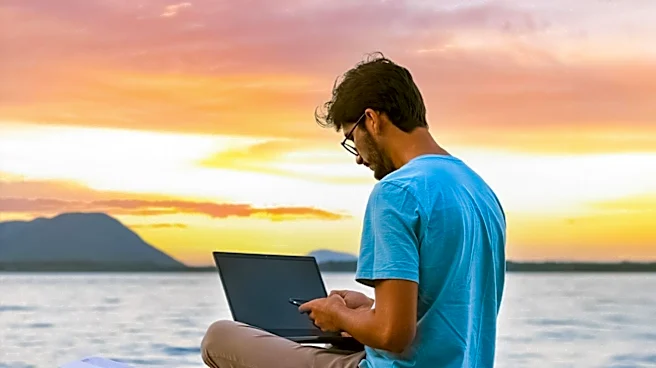
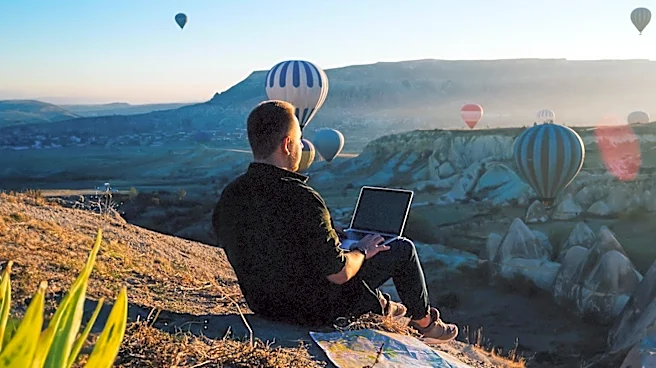
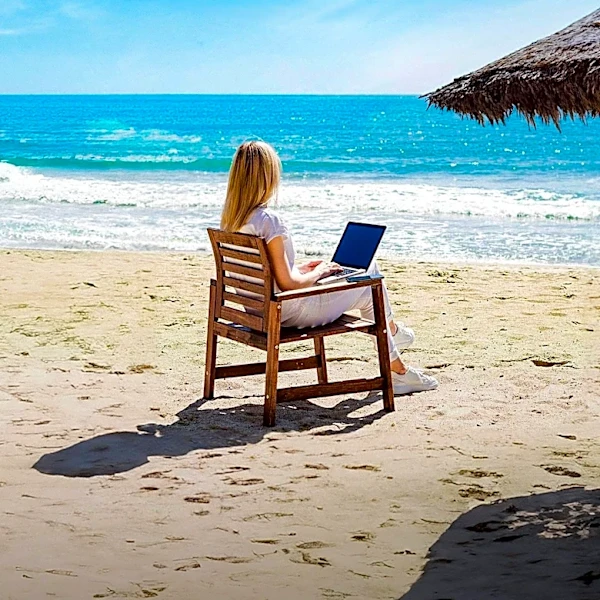
Digital nomad travel necessitates careful preparation to maintain productivity and connectivity while abroad. Essential tools for this lifestyle include a reliable, lightweight laptop with strong performance (e.g., Ryzen 5, Intel Core i5/i7/i9 processors,
16 GB RAM) and durability against environmental variations. Secure email services are crucial for communication, client management, and financial information, with encrypted options gaining popularity to protect against phishing and spam. Cloud storage solutions provide backup for files and disaster recovery, ensuring access to important documents and memories regardless of device loss. Financial tools are also vital for currency conversions, expense tracking, invoicing, and tax management. Communication platforms like Slack, WhatsApp, Zoom, and Google Meet facilitate team collaboration, while VPNs offer secure connections to protect data from cyber threats, especially when using public Wi-Fi. Password managers further enhance security by creating and storing strong, complex passwords. These tools collectively support the operational needs of digital nomads, enabling them to balance work and travel effectively.
Why It's Important?
The rise of digital nomadism represents a significant shift in the U.S. workforce and global economy, impacting industries from technology to tourism. For U.S. businesses, the ability to employ remote workers who can operate from anywhere expands the talent pool and potentially reduces overhead costs associated with physical office spaces. However, it also introduces complexities related to international tax laws, data security, and compliance with varying labor regulations. For individual U.S. workers, digital nomadism offers unprecedented flexibility and work-life balance, but requires a high degree of self-reliance and technological proficiency. The demand for specialized tools and services, such as secure communication platforms, cloud storage, and VPNs, drives innovation in the tech sector. Furthermore, the economic impact on destination countries is substantial, as digital nomads contribute to local economies through rent, food, and tourism, while also potentially driving up living costs for residents. The lifestyle also challenges traditional notions of employment and residency, prompting governments to consider new visa categories and regulatory frameworks to accommodate this growing demographic.
What's Next?
The continued growth of digital nomadism is likely to spur further development in supporting infrastructure and services. We can anticipate an increase in specialized financial tools designed for international transactions and tax compliance for remote workers. The demand for secure and reliable internet connectivity in remote locations will push telecommunications companies to expand their global networks. Governments, particularly in popular digital nomad destinations, may introduce more tailored visa programs and incentives to attract this demographic, recognizing their economic contributions. This could lead to a more formalized global framework for remote work, addressing issues such as social security, healthcare, and legal protections for digital nomads. Additionally, the market for co-working spaces and community-building platforms for remote workers is expected to expand, catering to the social and professional needs of this mobile workforce. The evolution of AI and automation may also further streamline tasks, making the digital nomad lifestyle even more accessible and efficient.
Beyond the Headlines
Beyond the immediate practicalities, the digital nomad movement has profound implications for societal structures and individual well-being. It challenges the traditional concept of a fixed home and community, fostering a more fluid and globalized identity. This can lead to increased cultural exchange and understanding, but also potential feelings of rootlessness or isolation if not managed effectively. The emphasis on digital tools and constant connectivity raises questions about digital detox and the boundaries between work and personal life, especially when one's 'office' is also their vacation spot. Ethically, the influx of digital nomads into developing countries can lead to gentrification and displacement of local populations, highlighting the need for sustainable and equitable tourism practices. Legally, the lack of clear international regulations for remote work creates ambiguities regarding taxation, labor rights, and social benefits, necessitating new legal frameworks. Culturally, the lifestyle promotes a minimalist approach to possessions and a focus on experiences over material goods, potentially influencing broader consumer trends and values.