





What's Happening?
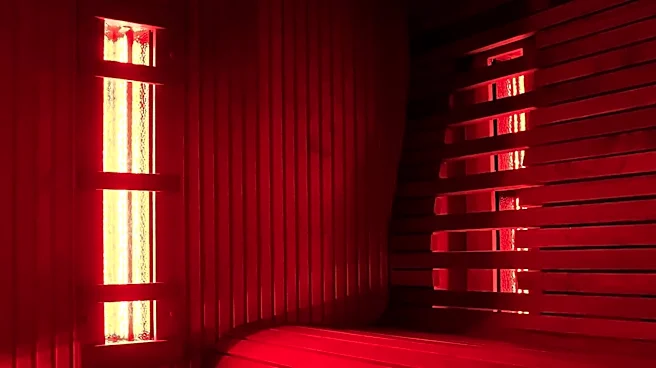
The integration of red light therapy (RLT) with infrared saunas is possible, but requires careful consideration of device compatibility and safety. While some saunas come with built-in red lights for convenience, separate RLT panels can also be used.
However, a standard household RLT panel may not be safe for use inside a hot, humid sauna environment due to potential issues with its electronics, cord, controls, adhesives, and cooling system. Manufacturers like Bestqool offer sauna-rated RLT panels designed to withstand temperatures up to 55°C (131°F) and 95% relative humidity. If an RLT panel is not explicitly rated for sauna conditions, it is recommended to use it in separate sessions to ensure proper functioning, safety, and optimal treatment distance. The effectiveness of RLT depends on factors like wavelength, output at treatment distance, and panel coverage.
Why It's Important?
The growing interest in combining red light therapy with infrared saunas highlights a trend in the U.S. wellness market towards multi-modal health solutions. This integration offers consumers the potential for enhanced benefits, such as improved circulation, pain relief, and skin health, by leveraging the synergistic effects of heat and light therapy. However, the critical need for sauna-rated equipment and adherence to safety guidelines is paramount. This impacts manufacturers by creating a demand for specialized, durable RLT devices capable of operating in extreme conditions, driving innovation and product development. For consumers, understanding these distinctions is crucial to avoid purchasing incompatible or unsafe products, which could lead to device malfunction or personal injury. The emphasis on proper installation and usage also underscores the importance of consumer education in the rapidly expanding wellness technology sector.
What's Next?
The market for combined red light therapy and infrared sauna solutions is likely to see further development in specialized products designed for safe and effective integration. Manufacturers will probably continue to innovate, offering more built-in RLT options in saunas and developing more robust, sauna-rated standalone panels. There may be an increase in industry standards and certifications for devices intended for use in high-heat and high-humidity environments. Consumers can expect clearer labeling and more comprehensive user guides detailing environmental limitations and installation requirements. Educational initiatives from manufacturers and wellness professionals will become increasingly important to inform users about the nuances of combining these therapies, ensuring both safety and optimal results. Research may also explore the specific benefits and optimal protocols for simultaneous use versus separate sessions.
Beyond the Headlines
The convergence of red light therapy and infrared saunas reflects a broader cultural shift towards holistic health and personalized wellness experiences. This trend suggests that consumers are seeking more comprehensive and integrated approaches to self-care, moving beyond single-modality treatments. The technical challenges of combining these technologies, particularly regarding device safety and environmental resilience, highlight the complexities of bringing advanced wellness solutions into the home. This also raises questions about the role of product design in promoting user safety and efficacy, especially as sophisticated technologies become more accessible. The emphasis on 'sauna-rated' equipment underscores a growing awareness of environmental factors in device performance and longevity, influencing consumer expectations for durability and specialized functionality in wellness products.