







What's Happening?
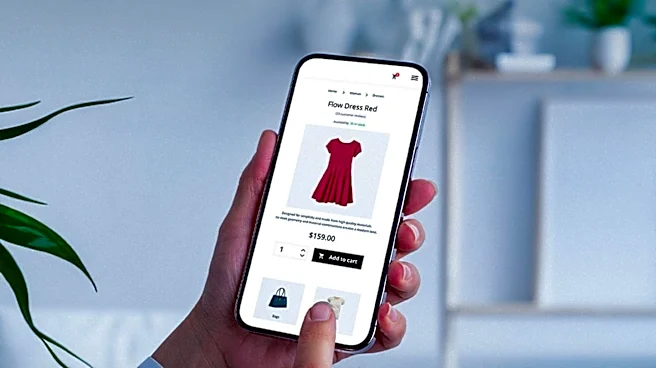
Online stores are set to become the leading sales channel in the branded apparel market, projected to account for 34.6% of the market share by 2026, according to an analysis by Fact.MR. This growth is attributed to the convenience of digital shopping,
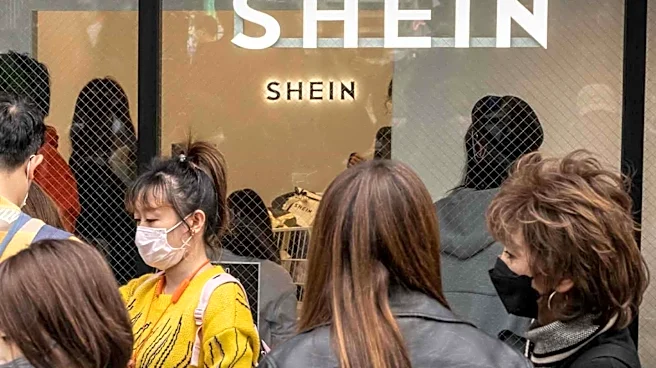
wider product availability, and the increasing adoption of e-commerce platforms. Digital platforms enable apparel brands to reach broader audiences through their own websites and various online marketplaces. While online sales are growing, physical retail stores will continue to cater to consumers who prefer in-person product evaluation, immediate purchases, and personalized shopping experiences. The report also highlights that casual wear will be the leading product type, holding 38.4% of the market, and women will represent the largest end-user segment with a 41.3% share. Cotton is expected to remain the dominant material, accounting for 36.5% of the market in 2026, due to its breathability, comfort, and versatility.
Why It's Important?
The projected dominance of online stores in the branded apparel market signifies a significant shift in consumer purchasing behavior and retail strategies within the U.S. and globally. For U.S. businesses, this trend underscores the critical need for robust e-commerce infrastructure, digital marketing capabilities, and efficient online supply chain management to remain competitive. Companies that fail to adapt to this digital-first approach risk losing market share to more agile online retailers. This shift also impacts traditional brick-and-mortar stores, compelling them to integrate online and offline experiences, such as offering in-store pickups for online orders or leveraging their physical presence for brand experience rather than just transactions. The emphasis on casual wear and women as key segments further guides product development and marketing efforts, indicating where investment and innovation will yield the most returns. The continued preference for cotton also highlights sustainability considerations and consumer demand for natural fibers.
What's Next?
In response to the growing online market, branded apparel companies are expected to further invest in enhancing their e-commerce platforms, optimizing user experience, and expanding their digital marketing efforts. This will likely include advanced personalization features, virtual try-on technologies, and seamless integration with social media platforms to engage consumers. Retailers may also explore hybrid models that combine the convenience of online shopping with the experiential benefits of physical stores, such as pop-up shops or showrooms. Supply chain logistics will need to evolve to support faster delivery times and efficient returns processes, which are crucial for online customer satisfaction. Furthermore, brands will likely continue to focus on casual wear designs and cater specifically to the preferences of women consumers, potentially leading to more diverse and inclusive product lines. The demand for cotton may also drive innovation in sustainable sourcing and production methods for natural fibers.
Beyond the Headlines
The increasing reliance on online sales channels for branded apparel has broader implications beyond just sales figures. It contributes to the ongoing transformation of urban retail landscapes, potentially leading to fewer physical stores and a greater concentration of retail activity in logistics and distribution centers. This shift also raises questions about data privacy and security, as more consumer data is collected through online interactions. The environmental impact of increased shipping and packaging materials associated with e-commerce is another critical consideration, pushing brands towards more sustainable packaging and delivery solutions. Culturally, the rise of online shopping influences fashion trends, as consumers are exposed to a wider array of styles and brands globally, potentially leading to more diverse and rapidly evolving fashion cycles. The convenience of online shopping also impacts consumer expectations, making instant gratification and seamless experiences the new norm across all retail sectors.