




What's Happening?
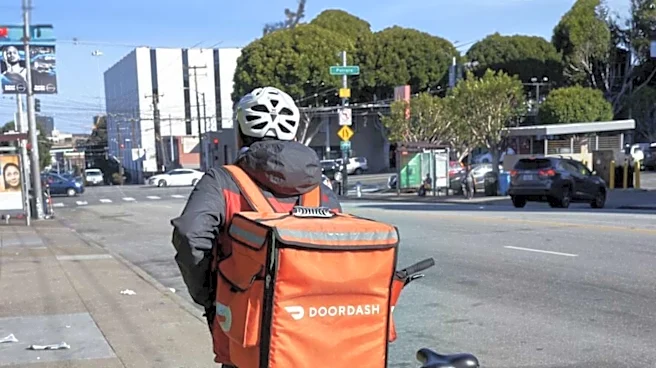
DoorDash has reached an agreement to acquire Instacart in a transaction valued at approximately $17 billion, with a purchase price of $65 per share, representing a 26% premium to Instacart’s closing price on October 22. The combined entity aims to offer
more choices for consumers and increase orders for local businesses. Instacart shoppers will gain access to over 50,000 additional stores, adding to the nearly 100,000 stores currently on the platform. DashPass and Instacart+ members are expected to save an estimated $100 million annually by paying a single membership fee. Grocers and retailers are anticipated to benefit from DoorDash’s delivery network and Instacart’s grocery and fulfillment technology, including advertising and artificial intelligence tools. DoorDash plans to keep Instacart’s brand, enterprise technology products, and app, with the companies operating separately until the deal closes, which is expected by the end of 2027 or the first half of 2028, pending shareholder and regulatory approvals.
Why It's Important?
This acquisition marks a significant consolidation in the U.S. online grocery delivery market, creating a dominant player with extensive reach and technological capabilities. For consumers, the merger promises enhanced convenience and potentially lower costs through combined membership benefits and a wider selection of stores. For grocers and retailers, it offers access to a more robust delivery network and advanced fulfillment technology, which can help them compete more effectively in the digital marketplace. The integration of DoorDash’s logistics with Instacart’s grocery-specific expertise is expected to improve the efficiency and quality of online grocery services, addressing challenges such as product selection and timely delivery. This deal could also intensify competition for smaller delivery services and traditional grocery chains that have not yet fully embraced online platforms.
What's Next?
The acquisition is subject to shareholder and regulatory approvals, which will be a critical next step. If approved, the integration process will involve combining the operational and technological infrastructures of both companies while maintaining separate brand identities initially. This will include merging customer bases, optimizing delivery routes, and integrating advertising and AI tools for retailers. The combined entity will likely focus on expanding its market share, particularly in areas where one company had a stronger presence than the other. Competitors in the food and grocery delivery space will need to reassess their strategies to contend with this newly formed giant, potentially leading to further consolidation or innovative service offerings in the sector.
Beyond the Headlines
The merger of DoorDash and Instacart could have profound long-term implications for the future of retail and the gig economy. The increased market concentration might lead to concerns about pricing power and potential impacts on independent grocers and smaller businesses. For gig workers, the consolidation could affect working conditions, pay structures, and the availability of delivery opportunities. Furthermore, the enhanced data collection capabilities of the combined entity, leveraging AI and consumer purchasing data, raise questions about privacy and personalized marketing. This deal also underscores the ongoing shift in consumer behavior towards digital convenience, accelerating the transformation of traditional shopping models and potentially reshaping urban logistics and infrastructure to accommodate increased delivery volumes.