





What's Happening?
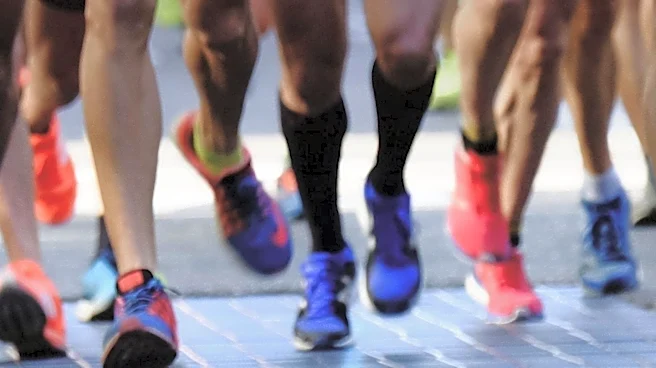
Nineteen participants in the Santa Barbara Half Marathon were hospitalized on Sunday, November 8, after experiencing similar symptoms at the race's conclusion. The incident has sparked concern and speculation, with medical professionals and organizers
investigating potential causes. While the race director, David Monico, noted that this year saw a higher number of participants and warmer weather—temperatures reached approximately 27 degrees Celsius (80 degrees Fahrenheit)—the simultaneous onset of symptoms among a significant group of runners has led to an official investigation. Rumors circulating online suggest that water at one of the hydration stations may have been poisoned. Although no official statement confirms this hypothesis, Santa Barbara law enforcement has opened an investigation and is urging anyone with information regarding potential poisoning to come forward. Eight hydration stations, offering water, electrolytes, and gels, were available along the course.
Why It's Important?
This incident raises significant public health and safety concerns for large-scale public events, particularly sporting competitions. The potential for deliberate contamination of supplies at such events poses a serious threat to participants and could undermine public trust in event organizers and security measures. If confirmed, an act of poisoning would necessitate a re-evaluation of security protocols for hydration stations and other public access points at marathons and similar gatherings. Even if the cause is ultimately determined to be heat-related or another environmental factor, the mass hospitalization highlights the critical importance of robust medical support, adequate hydration strategies, and clear communication during events held in challenging weather conditions. The ongoing investigation will be crucial in determining the exact cause, which will inform future safety guidelines for race organizers nationwide.
What's Next?
Santa Barbara law enforcement is actively investigating the incident, securing water points, collecting samples of beverages and gels, and interviewing volunteers and distribution staff. Public health services may be engaged to analyze collected substances for toxins or chemical contaminants. Race organizers are expected to cooperate by providing purchase lists, traceability records, and quality control reports for all products. The results of these investigations, expected in the coming days, will clarify whether the symptoms were caused by environmental factors, a failure in hydration provisions, or another medical reason, including potential poisoning. Depending on the findings, organizers may adjust future protocols, such as enhancing beverage quality surveillance, increasing refreshment points, or adapting courses based on weather forecasts. Local authorities might also issue specific recommendations for races held in high temperatures.
Beyond the Headlines
The incident in Santa Barbara touches upon broader societal anxieties regarding public safety and the vulnerability of mass gatherings. The rapid spread of poisoning rumors online, even without official confirmation, underscores the power of social media to shape public perception and generate fear during uncertain events. This highlights the challenge for authorities to manage information effectively and transparently to prevent misinformation from causing undue panic. Furthermore, the event could prompt a wider discussion within the sports community about the psychological impact of such incidents on participants and the need for comprehensive crisis communication plans. The investigation's outcome will not only determine liability but also influence how future sporting events are planned, secured, and communicated to ensure both physical safety and public confidence.