






What's Happening?
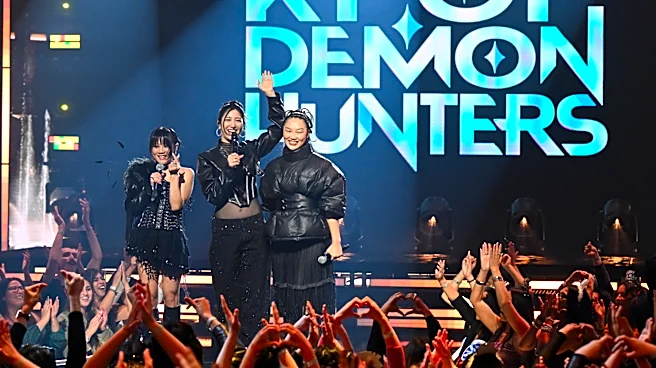
Christian metal band Demon Hunter, operating under its corporate entity Hyde Lane, has filed a lawsuit against Netflix and AEG Presents. The band alleges trademark infringement and unfair competition due to Netflix's animated film 'KPop Demon Hunters'
and the associated tour by AEG Presents. Demon Hunter, formed in 2000, has registered its trademark in various categories and claims the Netflix film, released in 2025, has caused 'a substantial likelihood of confusion' and an 'existential crisis' for the band. The lawsuit cites instances of confusion, including a man seeking a refund for concert tickets he bought for his daughters, believing he was attending a 'KPop Demon Hunters' event, and an email from CBS's 'Inside Edition' requesting an interview with the fictional film's songwriter. The band argues that the inclusion of 'KPop' does not sufficiently differentiate the titles, comparing it to using 'KPop Metallica' or 'KPop U2'. They are seeking to recover profits and injunctive relief.
Why It's Important?
This lawsuit highlights the increasing complexities of intellectual property rights in the entertainment industry, particularly when established trademarks encounter new, highly popular media. The 'KPop Demon Hunters' film was Netflix's most-streamed movie of 2025, winning numerous awards, which amplifies the potential for market confusion. For Demon Hunter, the alleged infringement impacts their ability to be found online and sell merchandise, directly affecting their business operations and brand identity. For Netflix and AEG Presents, a loss in this case could set a precedent for how they name and market their content, potentially requiring more rigorous trademark searches and greater differentiation from existing brands. The case also underscores the challenges smaller, niche artists face when their branding overlaps with mainstream cultural phenomena, raising questions about fair competition and brand dilution in a crowded digital landscape.
What's Next?
Demon Hunter has requested a jury trial to resolve the dispute. Netflix has stated that the allegations are 'without merit' and that they intend to 'vigorously defend this matter.' The legal proceedings will determine whether the court agrees that 'KPop Demon Hunters' creates a 'substantial likelihood of confusion' with the Christian metal band's trademark. The outcome could influence future naming conventions for films, music, and tours, especially in genres that might be perceived as having overlapping themes or fan bases. Depending on the court's decision, Netflix and AEG Presents might be compelled to alter the branding of the film and tour, or pay damages to Demon Hunter. Conversely, if Netflix prevails, it could reinforce the idea that adding a genre descriptor like 'KPop' is sufficient to distinguish a new property.
Beyond the Headlines
Beyond the immediate legal battle, this case touches on broader cultural and commercial implications. The 'existential crisis' cited by Demon Hunter speaks to the profound impact trademark disputes can have on an artist's identity and connection with their audience. In an era of vast digital content and global reach, the potential for brand collision is higher than ever. This lawsuit could prompt a re-evaluation of how intellectual property is protected and enforced across different media, especially when a new property achieves massive, unexpected success. It also raises questions about the responsibility of large corporations like Netflix to conduct thorough due diligence to avoid infringing on existing trademarks, regardless of the size or genre of the original rights holder. The case could influence how artists and companies approach branding in a rapidly evolving entertainment landscape.