





What's Happening?
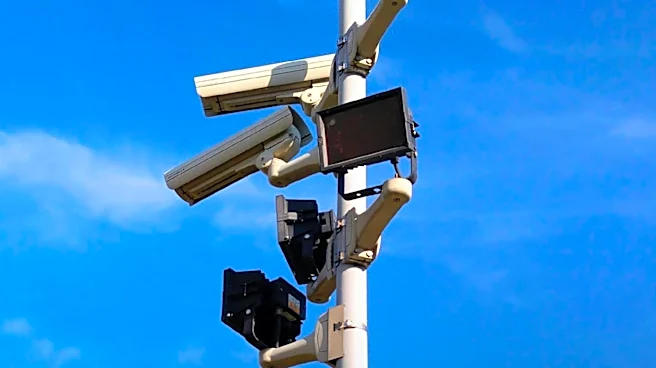
Smart cameras and video doorbells are increasingly serving as an initial entry point for consumers into comprehensive home security systems, according to research by Parks Associates. This trend is creating new opportunities for customer acquisition and recurring
service revenue within the security market. Companies like Ring and SimpliSafe are actively offering pathways for consumers to upgrade from standalone smart video devices to broader security and monitoring services. However, the research also indicates a dynamic where some consumers opt to move away from full security systems in favor of simpler video solutions. Parks Associates' study of 8,000 U.S. internet households revealed that 27% of current security system owners had a smart camera or video doorbell before purchasing their full system. Conversely, 39% of these households use smart video devices that are not integrated into their existing security systems, highlighting missed opportunities for security providers to expand their services and capture additional revenue from hardware, AI, and video subscriptions.
Why It's Important?
This shift in consumer behavior is reshaping the competitive landscape of the U.S. home security market. For security providers, the ability to convert standalone smart video device users into full security system customers represents a significant growth avenue. Companies that can develop seamless upgrade paths and integrate existing consumer devices will be better positioned to capture market share and recurring revenue. The data also underscores the importance for security companies to offer flexible solutions that cater to both those seeking comprehensive systems and those preferring simpler video monitoring. Failure to adapt to these evolving consumer preferences could lead to lost opportunities, as consumers might opt for competitors offering more integrated or modular solutions. This trend also suggests a potential for increased competition not only between different security companies but also within companies that offer both standalone devices and full systems, as they vie for device sales, customer relationships, and service revenue.
What's Next?
Security providers are encouraged to develop easy upgrade paths from standalone cameras and video doorbells to full security systems. This strategy aims to convert existing smart video device owners into security customers and to increase hardware, AI, and video subscription revenue from current security households. The industry will likely see more companies focusing on integrating devices consumers already own, making it simpler for users to expand their home security setups. This could involve enhanced software platforms that unify various smart home devices under a single security umbrella, or more aggressive marketing of upgrade incentives. The ongoing competitive dynamics will likely drive innovation in product offerings and service models, as companies seek to capitalize on the growing adoption of smart video technology as a gateway to broader home security solutions.
Beyond the Headlines
The increasing integration of smart video devices into home security systems raises broader implications concerning data privacy and cybersecurity. As more personal video data is collected and stored, the responsibility of security providers to protect this sensitive information becomes paramount. Consumers may also become more discerning about the privacy policies and data handling practices of their security providers. Furthermore, the reliance on AI for video analysis and alerts introduces questions about algorithmic bias and the accuracy of automated threat detection. The industry will need to navigate these ethical and technical challenges to maintain consumer trust and ensure the long-term viability and integrity of these interconnected security ecosystems. The trend also highlights a broader societal shift towards more connected homes, where convenience and security are increasingly intertwined through technology.